Regoutz Group


Mid-term meeting for MSCA BETTERXPS project

On the 30th June and 1st of July the mid-term meeting of the Marie Skłodowska-Curie Actions Staff Exchanges project BETTERXPS was held at Imperial College, London, UK. We are a proud member of the consortium, which aims to enable and encourage the more widespread use of computational methods in the interpretation of experimental XPS spectra.

Day 1 of the meeting was a scientific symposium covering both theoretical and experimental aspects of photoelectron spectroscopy from the partner academic and research institutions, our industrial partners ScientaOmicron and SPECS, as well as external invited speakers, including Dr Laura Ratcliff from the University of Bristol and Dr Dorothea Golze from TU Dresden. It was also great to see many colleagues from the UK PES community who could attend the day and contribute to the discussions.
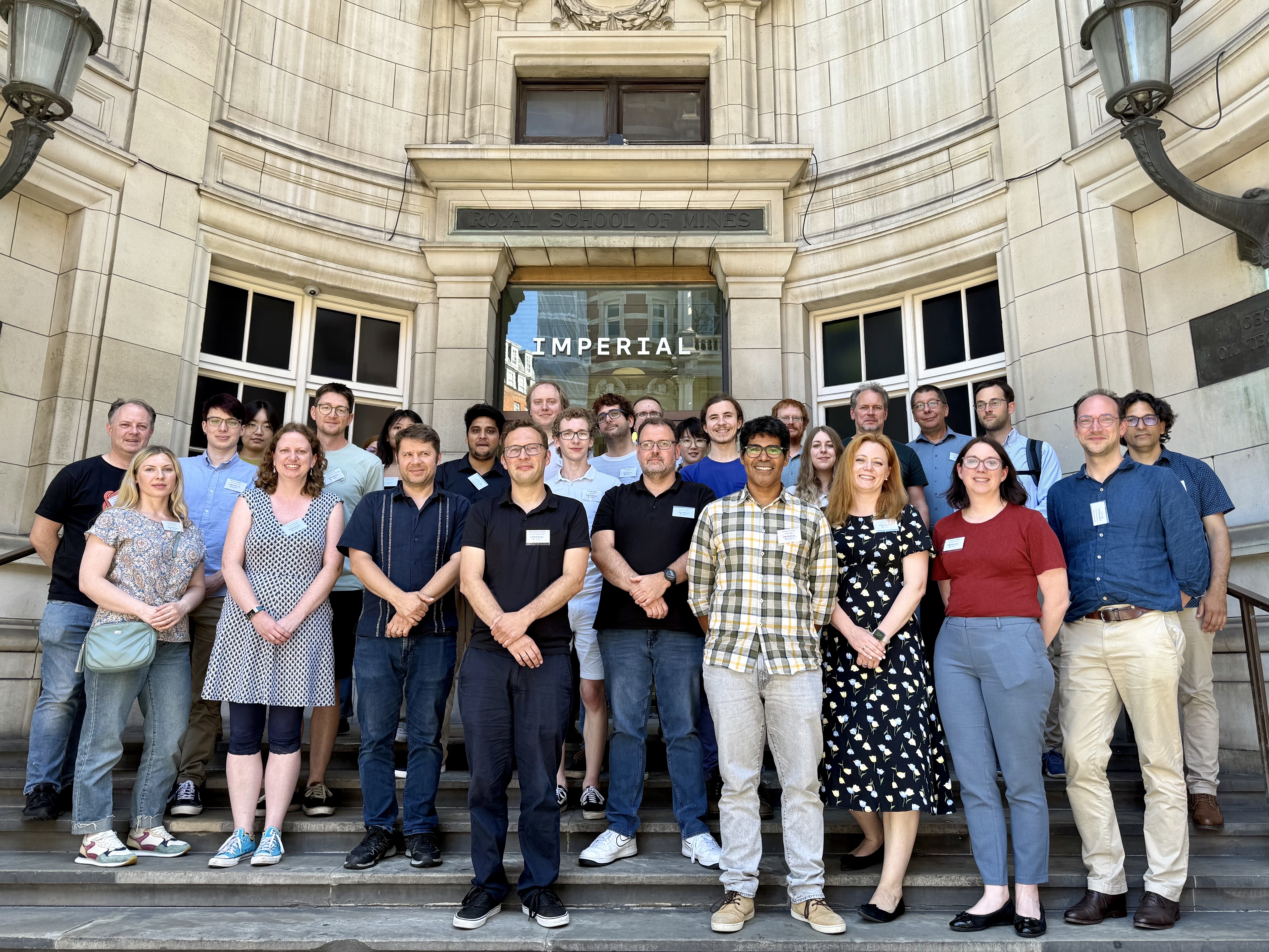
Participants of the Scientific Meeting on Day 1 of the mid-term review at Imperial College


HAXPES workshop in Switzerland

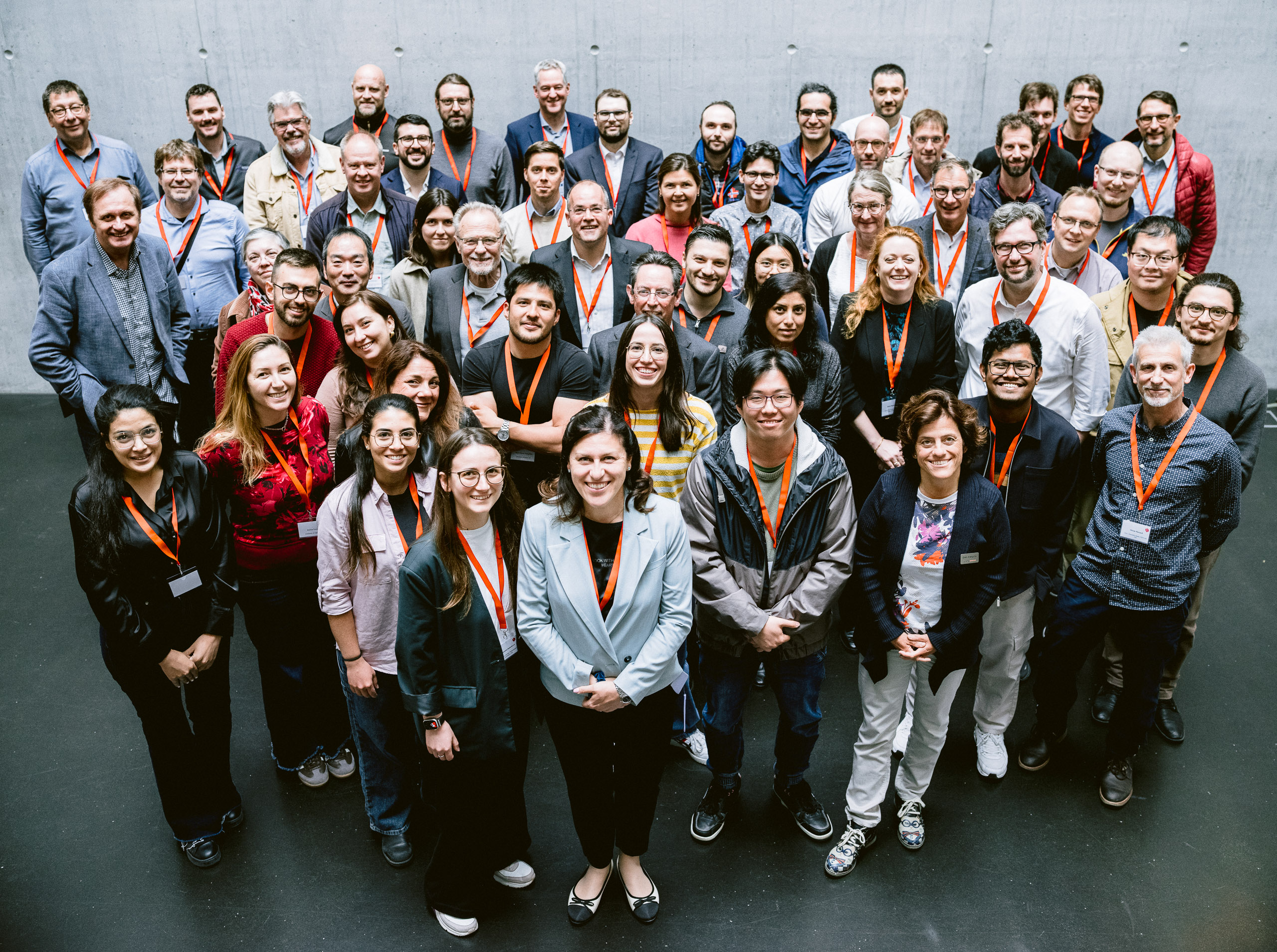
EMPA (Swiss Federal Laboratories for Materials Science and Technology) hosted a HAXPES workshop on “Fundamentals, Instrumentations and Applications” between May 7th -9th 2025 at their Duebendorf campus on the outskirts of Zurich. The workshop was organised by Dr Claudia Cancellieri and Dr Lars Jeurgens and brought together the two all too often separate communities of physics-driven spectroscopy and surface analysis. It was a great opportunity to catch-up with old friends and make new connections. Anna had the pleasure of delivering a keynote on our ongoing work on the electronic structure of metal hydrides.

EMPA is also the home of a laboratory-based XPS/HAXPES system from PHI QUANTES (with Al and Cr Kα X-ray sources), which is combined with several in-situ capabilities.


COAST in Vienna

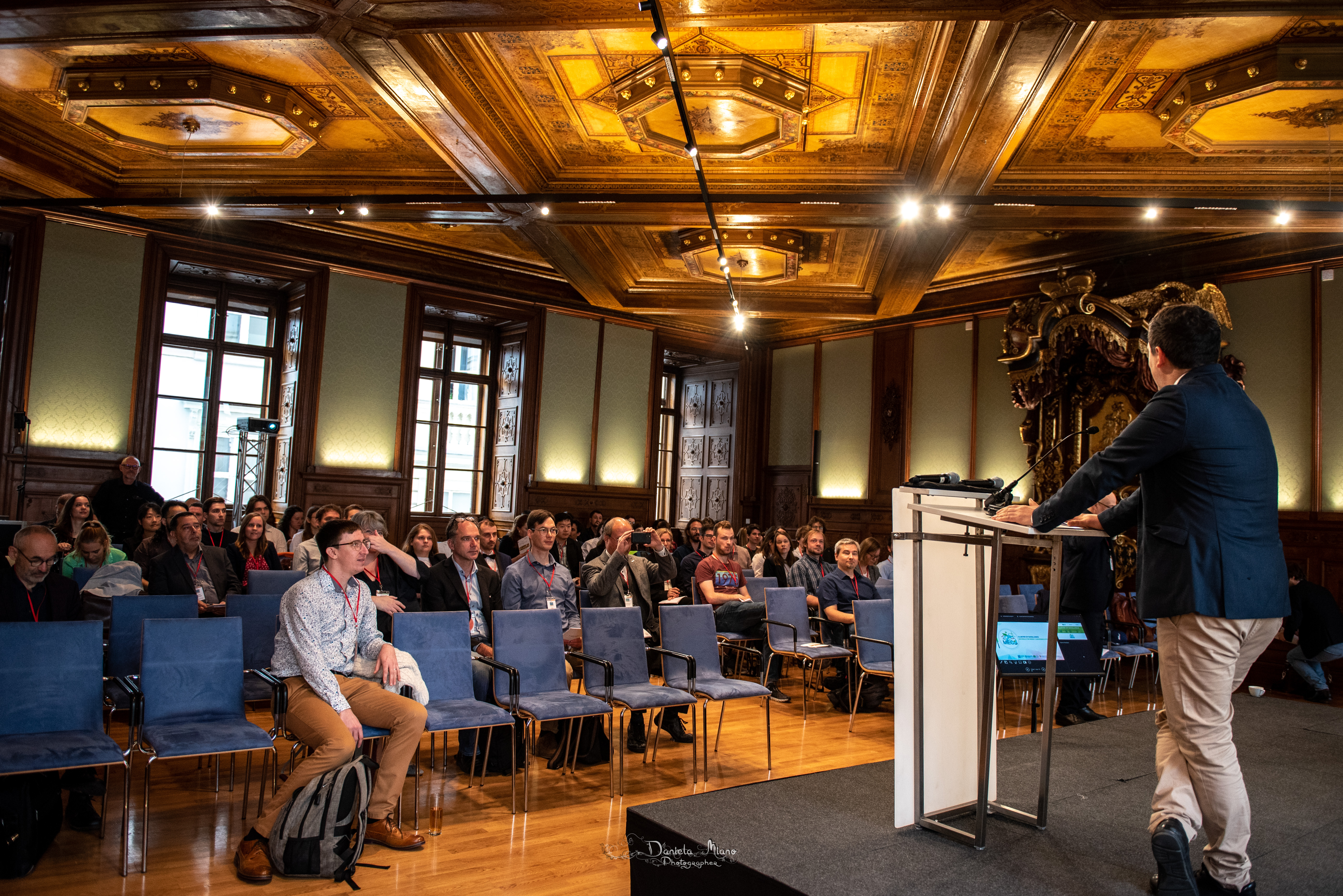
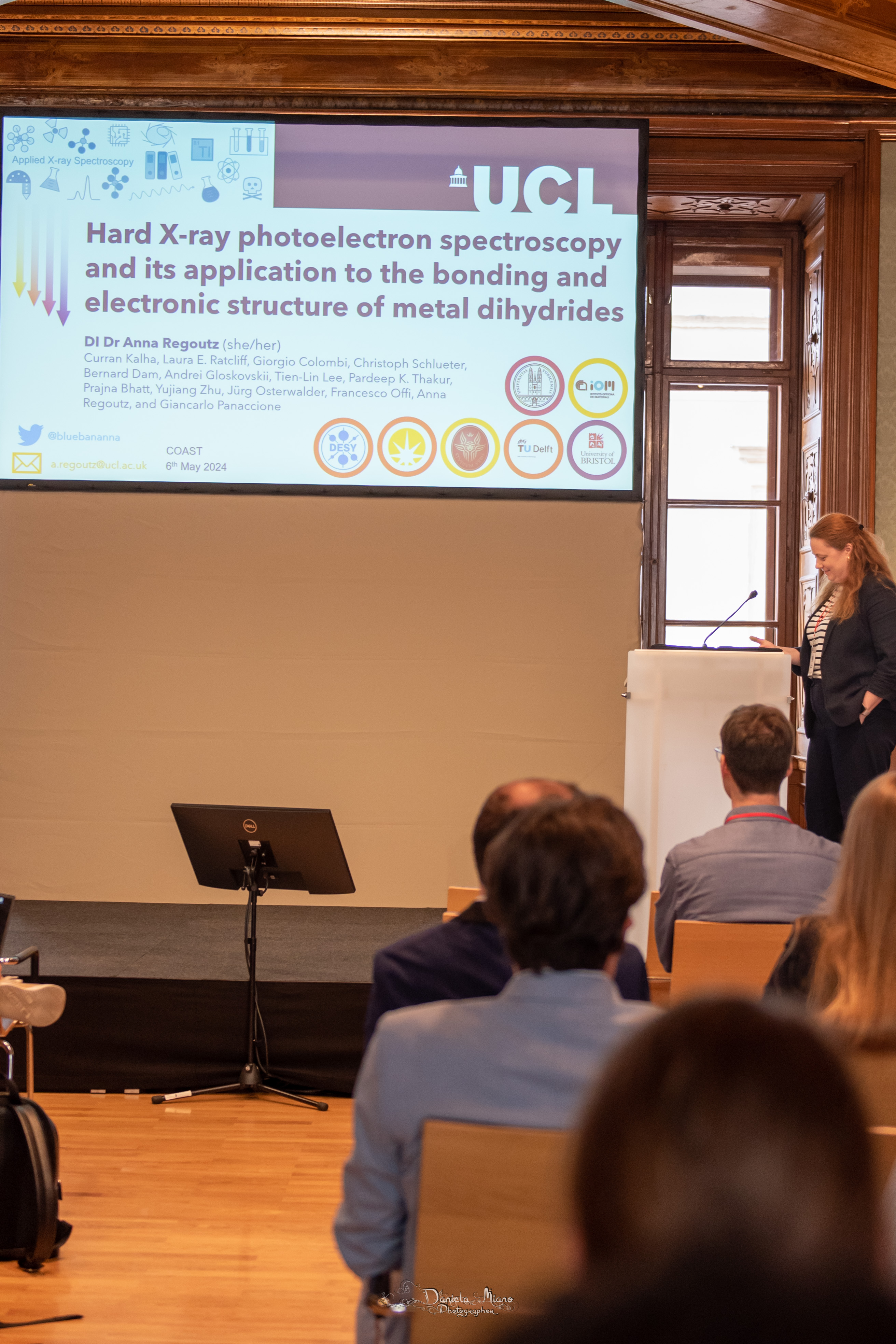
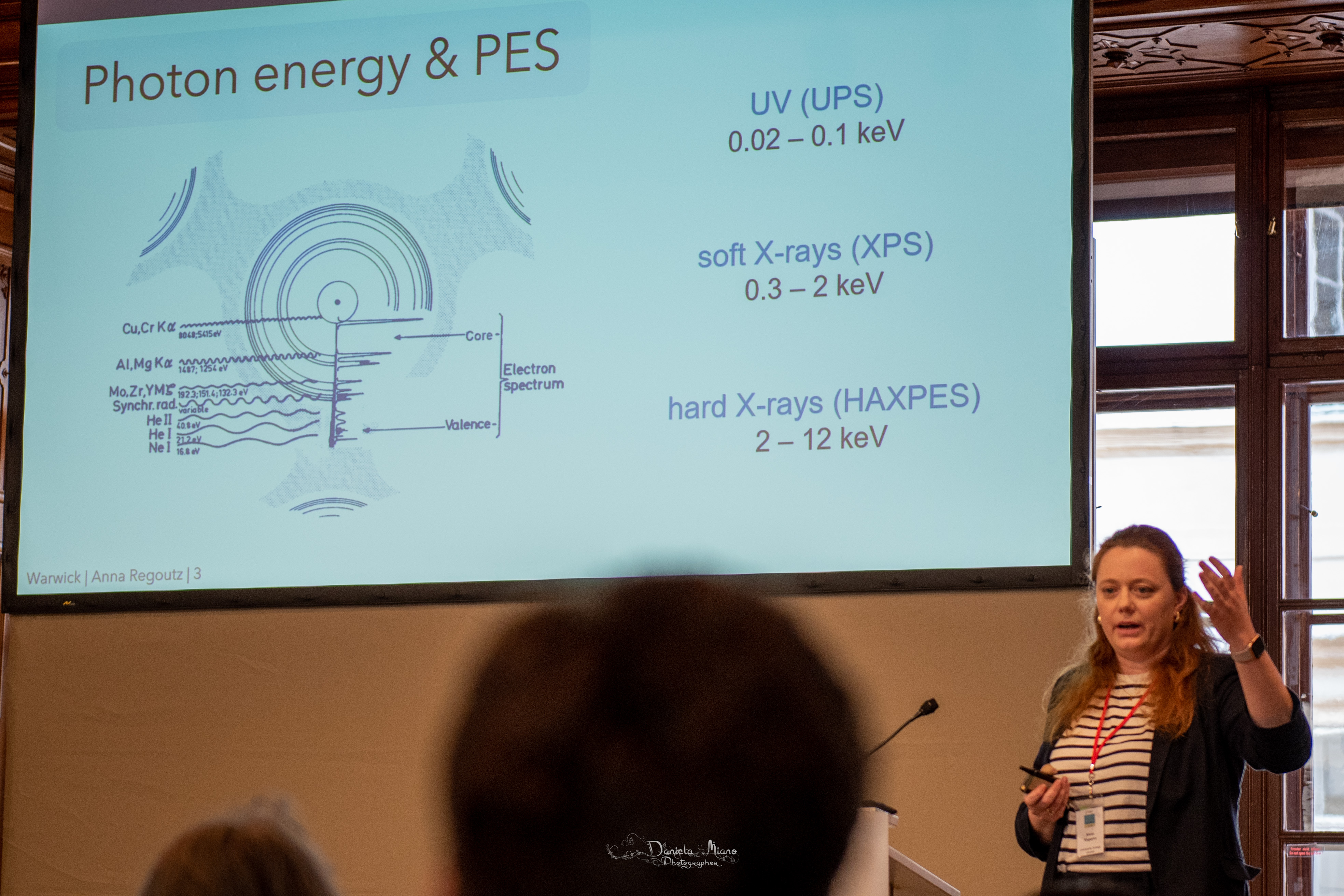
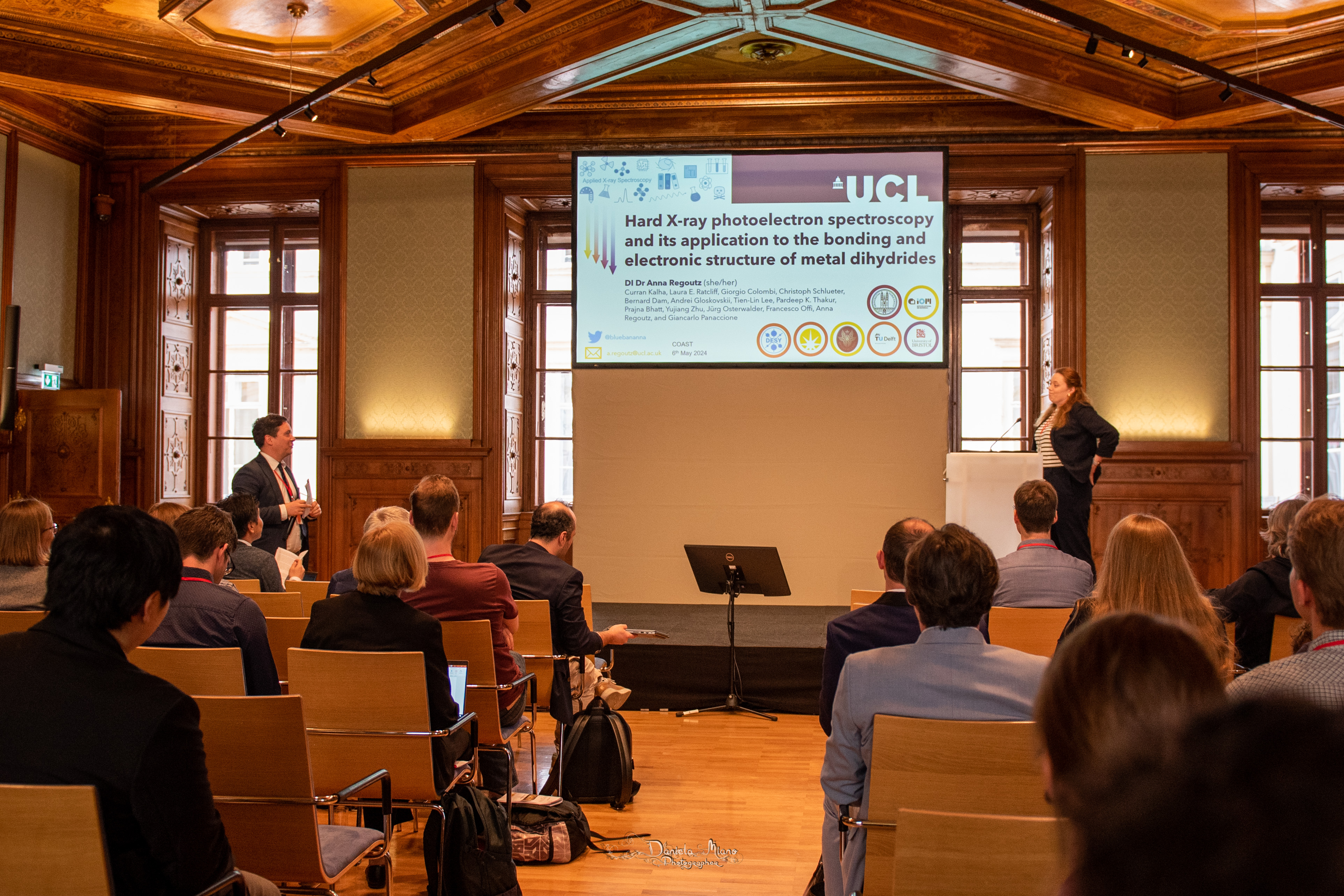
In early May, Anna attended the Conference on Applied Surface Technology (COAST) in the beautiful Palais Niederoesterreich in Vienna, Austria. She presented an invited talk on the group’s latest work on metal hydrides and the relationship between electronic structure and formation enthalpy. You can read more about it here and on arxiv.

Photo credit: Daniela Miano.


Aysha attends RSC Broadening Horizons

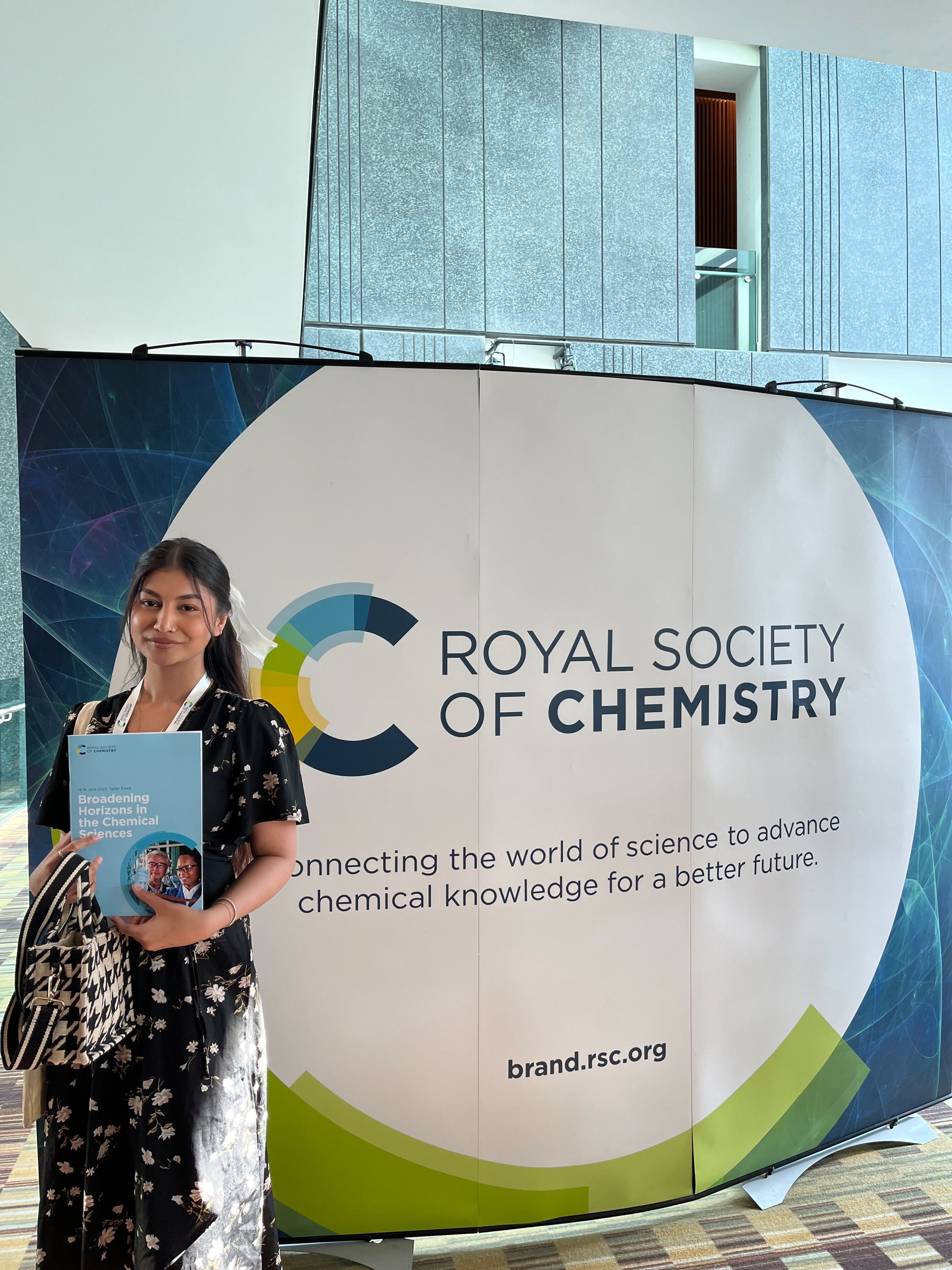
Aysha recently had the opportunity to join the RSC Broadening Horizons programme for minority students in the Chemical Sciences. She visited Manchester to take part in a 3-day networking event with other students, RSC members, and industry partners. Companies such as GSK, Unilever and Johnson Matthey were in attendance and gave motivational talks as well as insights into a career in the chemical sciences industry. Additionally, she got the chance to talk 1-on-1 with Liz Rowsell from Johnson Matthey about her research and how it would translate well into industry, specifically the skills she’s learnt in XPS! There was also a speech given by Professor Robert Mokaya, the only black professor in chemistry in the UK, who reminded everyone it is okay to be different but to be true to yourself. Altogether, it was a very exciting and insightful trip for her and she has made valuable connections from it. (Not to mention had a lovely stay in The Hilton!)


Getting to the bottom of TiW

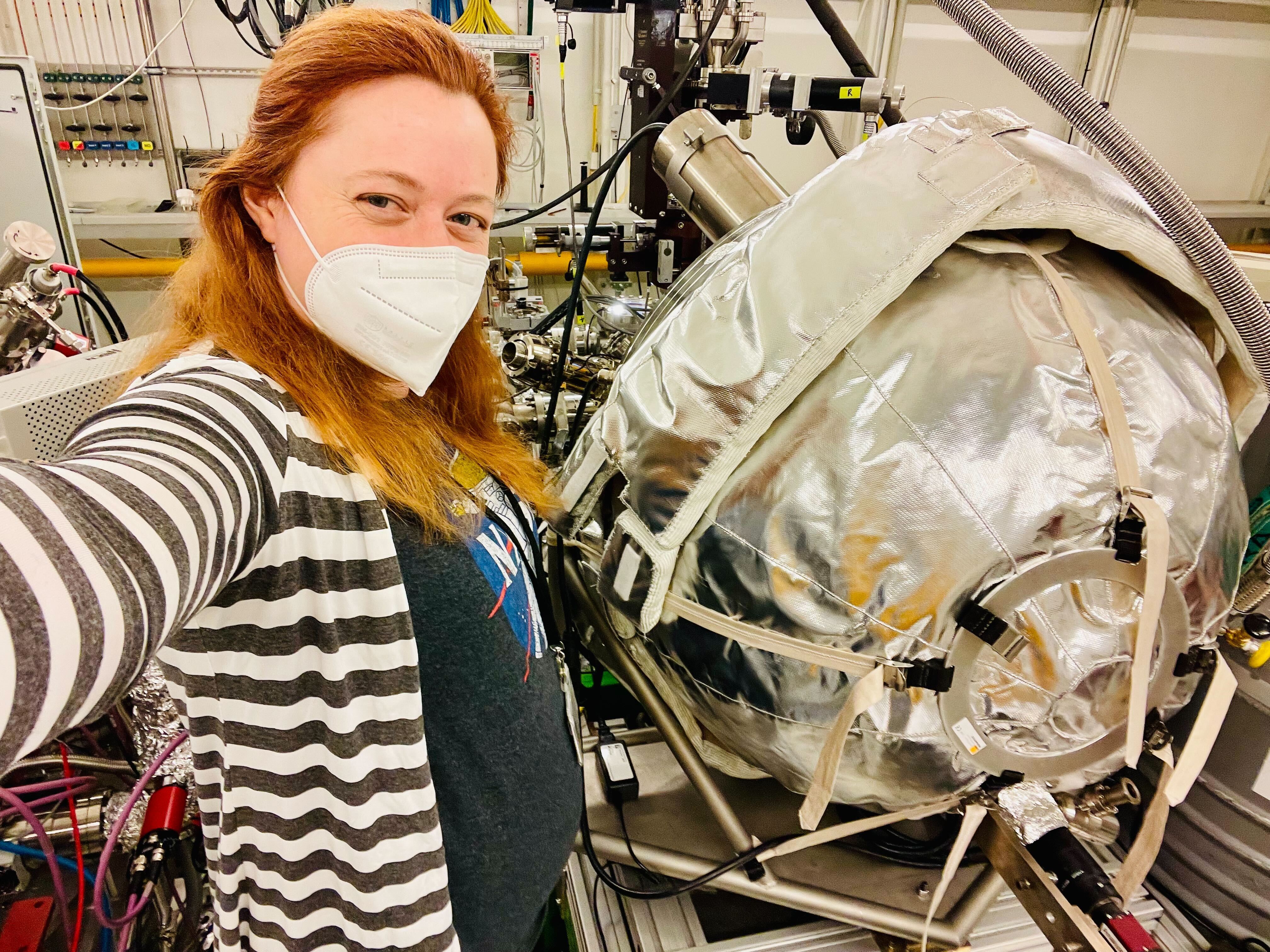
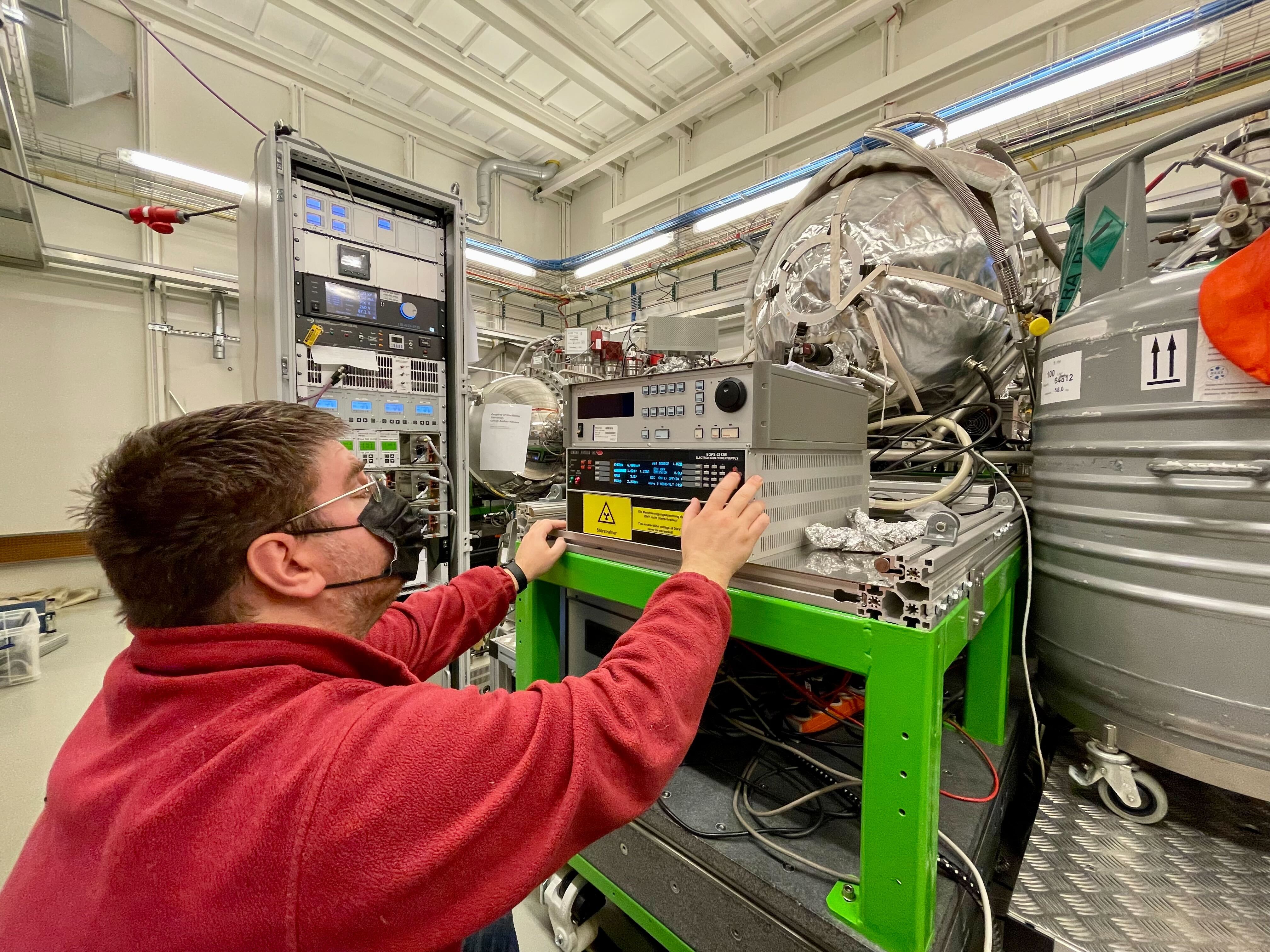
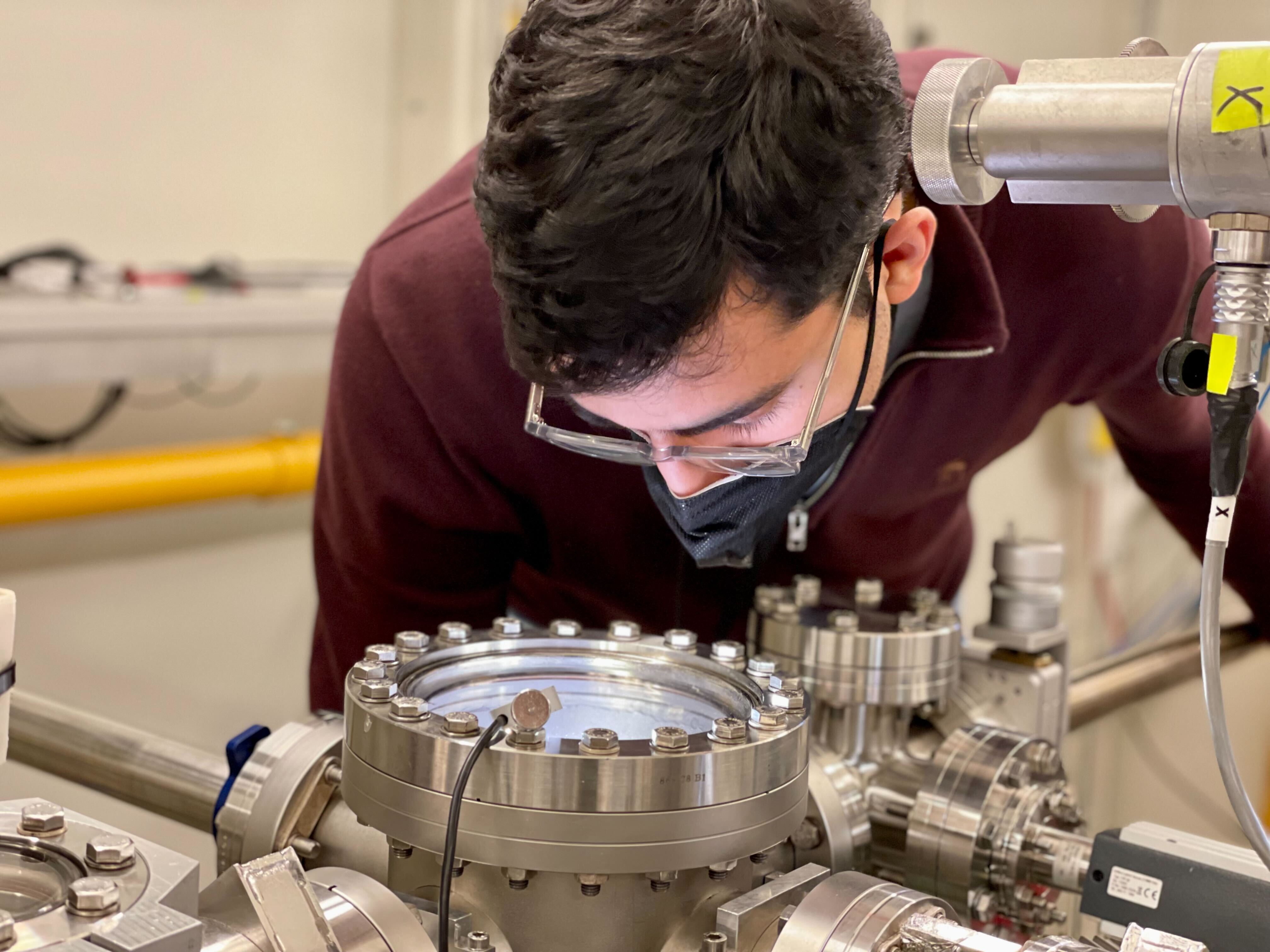
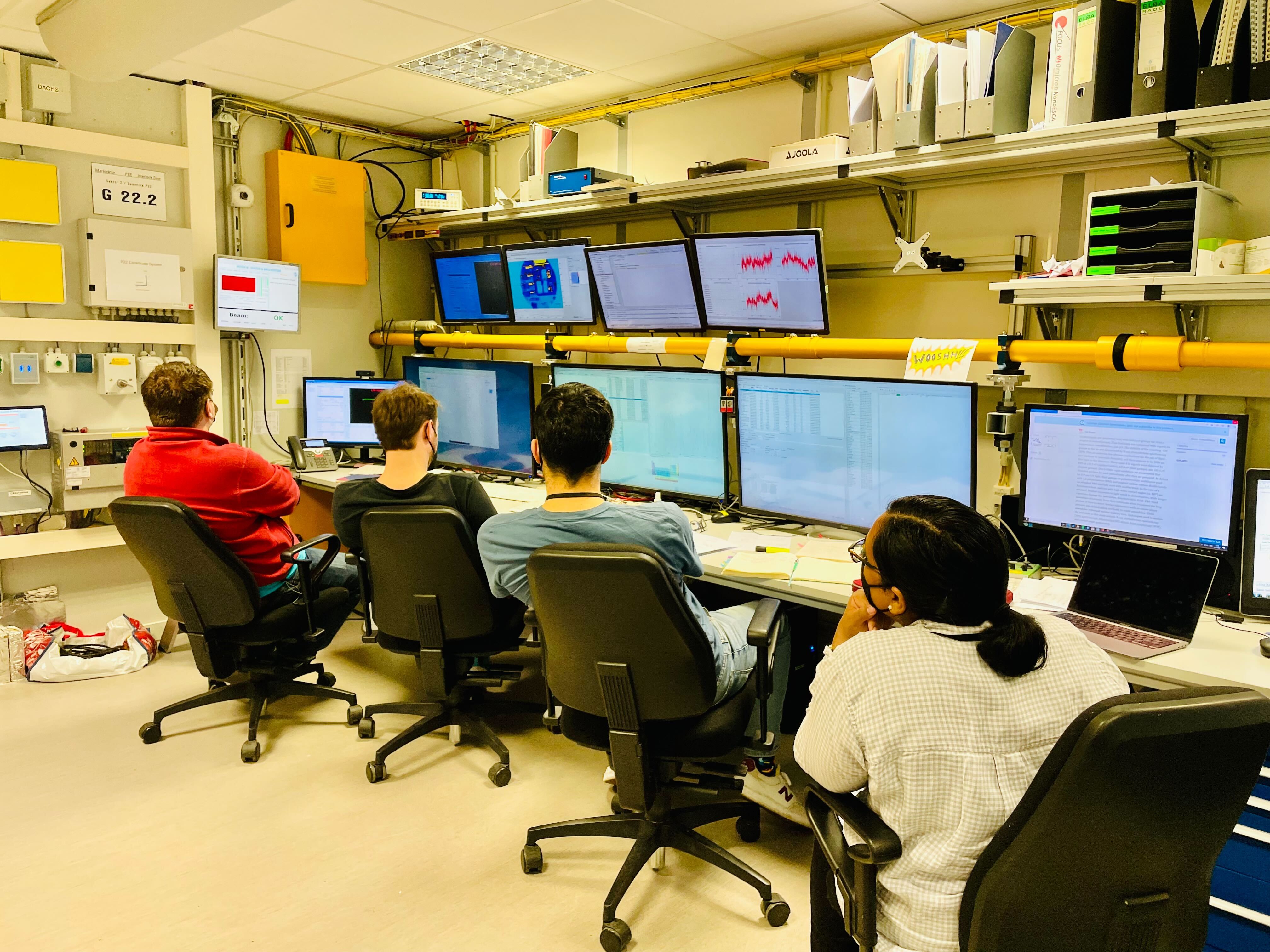
After spending a week at EMPA in Zurich, Switzerland, depositing high quality TiW thin films in February, Curran, Nathalie and Anna travelled to DESY, Hamburg, Germany, in the first week of March to collect HAXPES data on them. We were back at one of our favourite HAXPES beamlines, P22 at PETRA III, and the work was, as always, expertly supported by the local team of Dr Christoph Schlueter and Dr Andrei Hloskovsky.

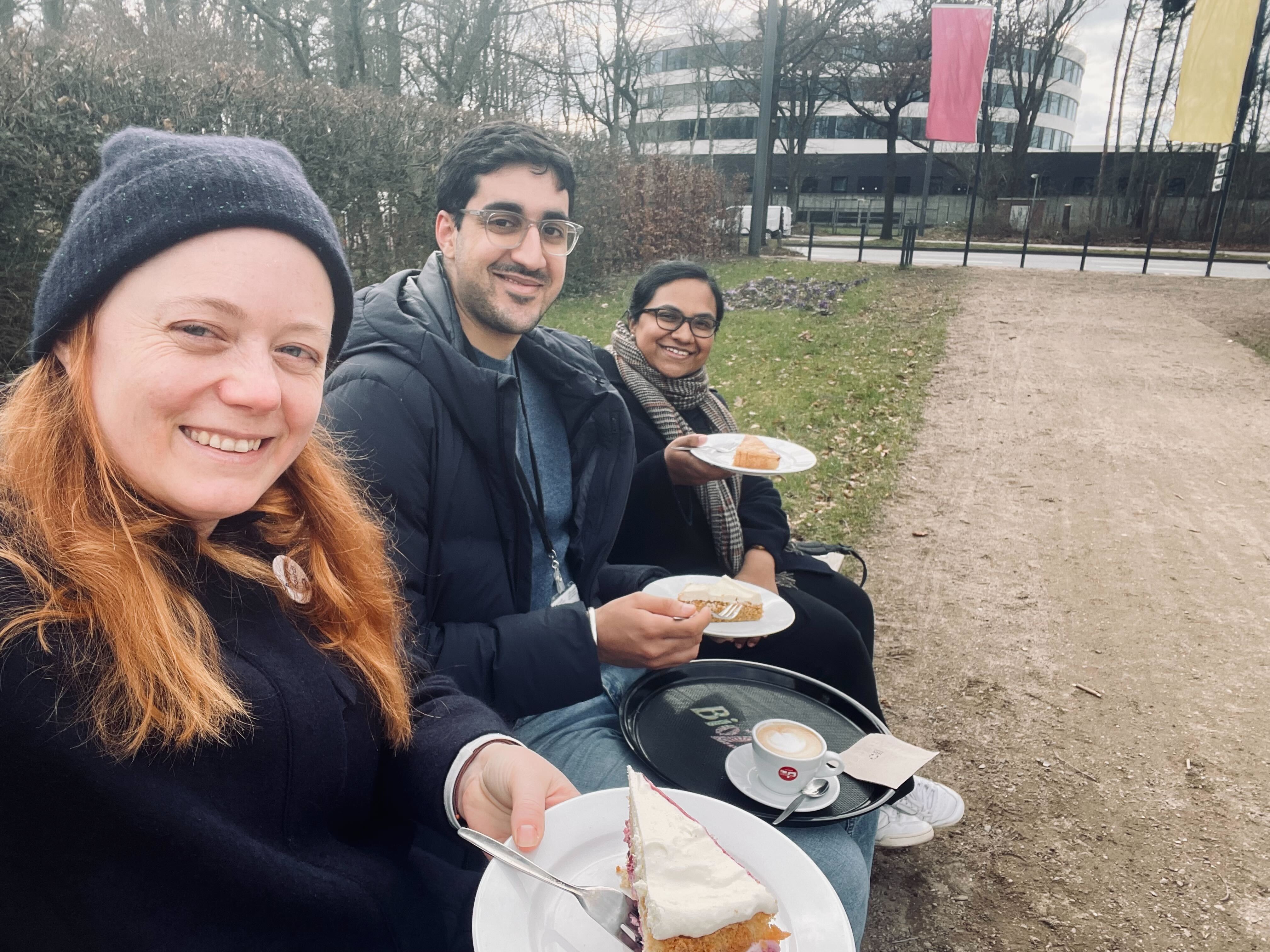
In order to ensure that the samples where in the best possible condition for measurement we needed to apply quite an involved level of logistics including vacuum sealing, glove box transferring, and in-situ sputtering. This enabled us to measure the films in their truly metallic state without interference from surface oxidation and contamination. Although HAXPES enables to probe the bulk of a sample, overlying surface oxides can significantly influence and perturb the HAXPES spectral quality. We both explored the influence of Ti/W composition on the electronic structure as well as a challenging experiment to try and probe the buried interface between TiW and the underlying SiO2/Si substructure. We also had time to explore the local offerings of cake and caffeinated beverages.


Making mixed metal systems

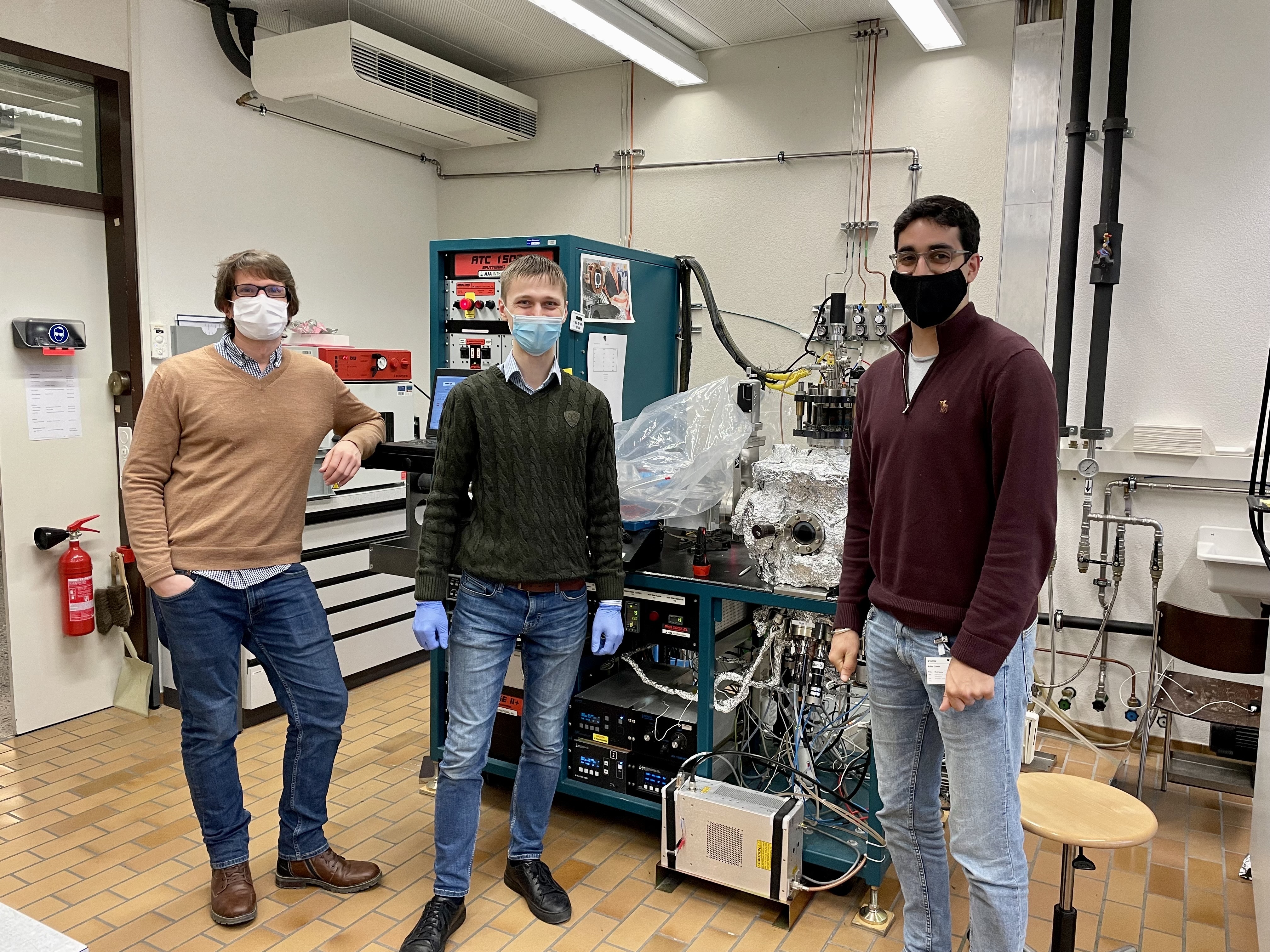
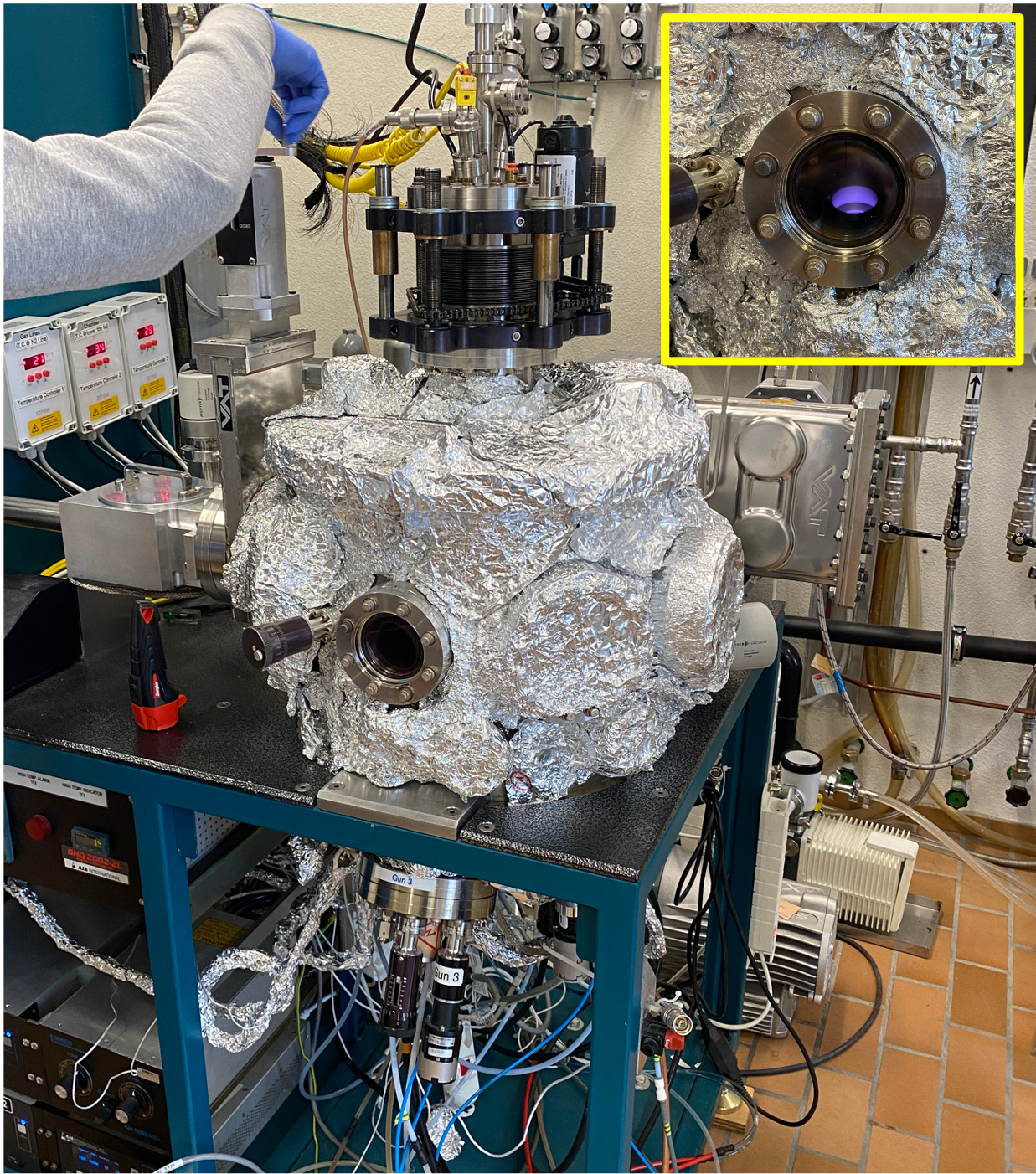
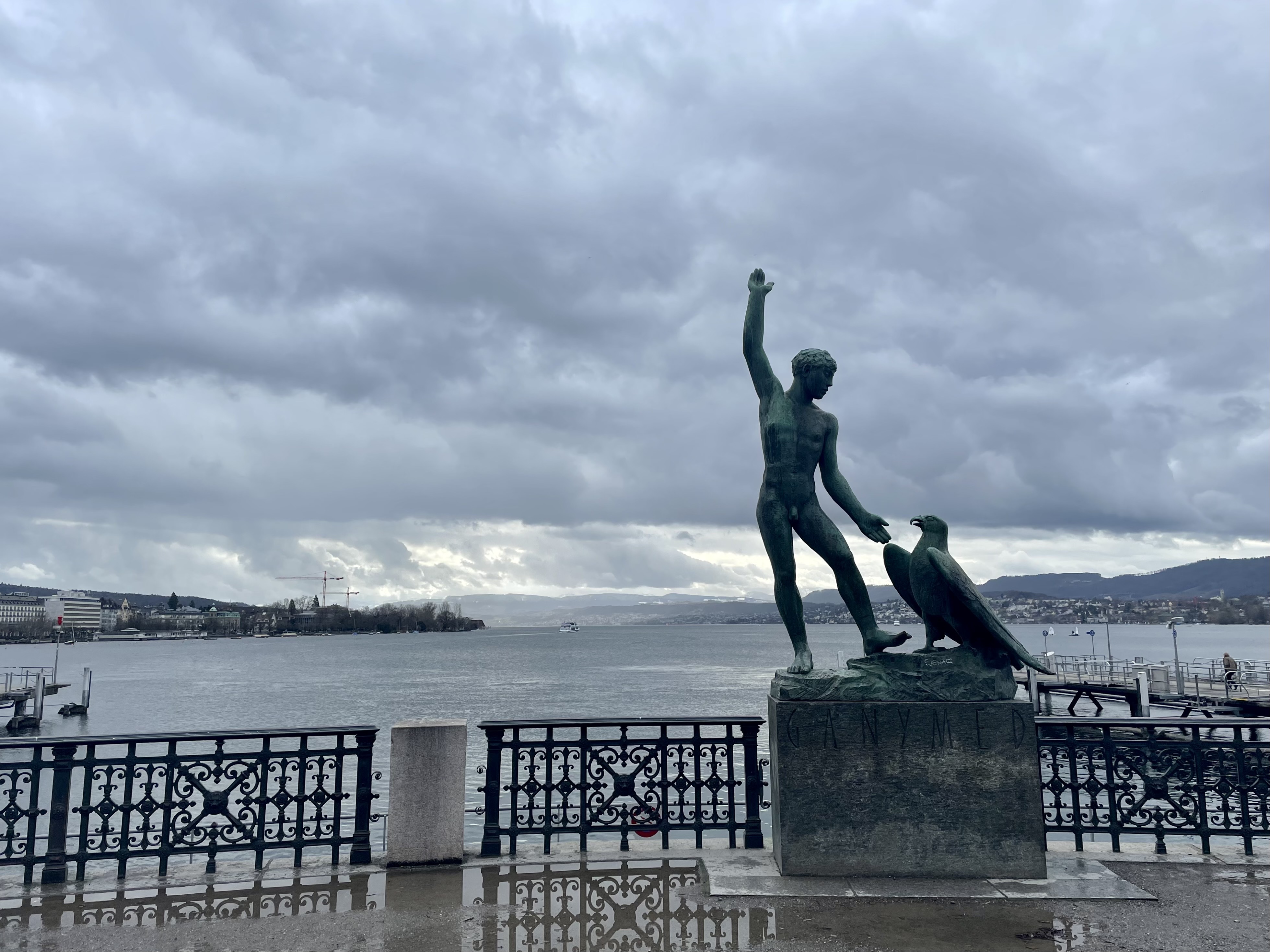
In the second half of February Curran and Anna spent a week at EMPA, the Swiss Federal Laboratories for Materials Science and Technology, in Zurich, Switzerland, to deposit a range of TiW films for an upcoming HAXPES experiment at DESY, Hamburg, Germany. The samples will be used to increase our understanding of mixed metal barrier materials for power electronics.

This collaboration was made possible by the award of a UCL Global Engagement Fund (GEF), a funding route available to UCL academics that supports collaboration with colleagues based in other countries.

Our colleagues at EMPA, Dr Sebastian Siol and Dr Siarhei Zhuk were excellent hosts and shared their extensive knowledge on the deposition of such metal systems. In parallel, Curran was able to immediately characterise all deposited samples using a combination of X-ray fluorescence (XRF), X-ray photoelectron spectroscopy (XPS) and X-ray diffraction (XRD). This provided a solid characterisation basis to finetune deposition parameters and achieve a high level of control over film thicknesses and composition.

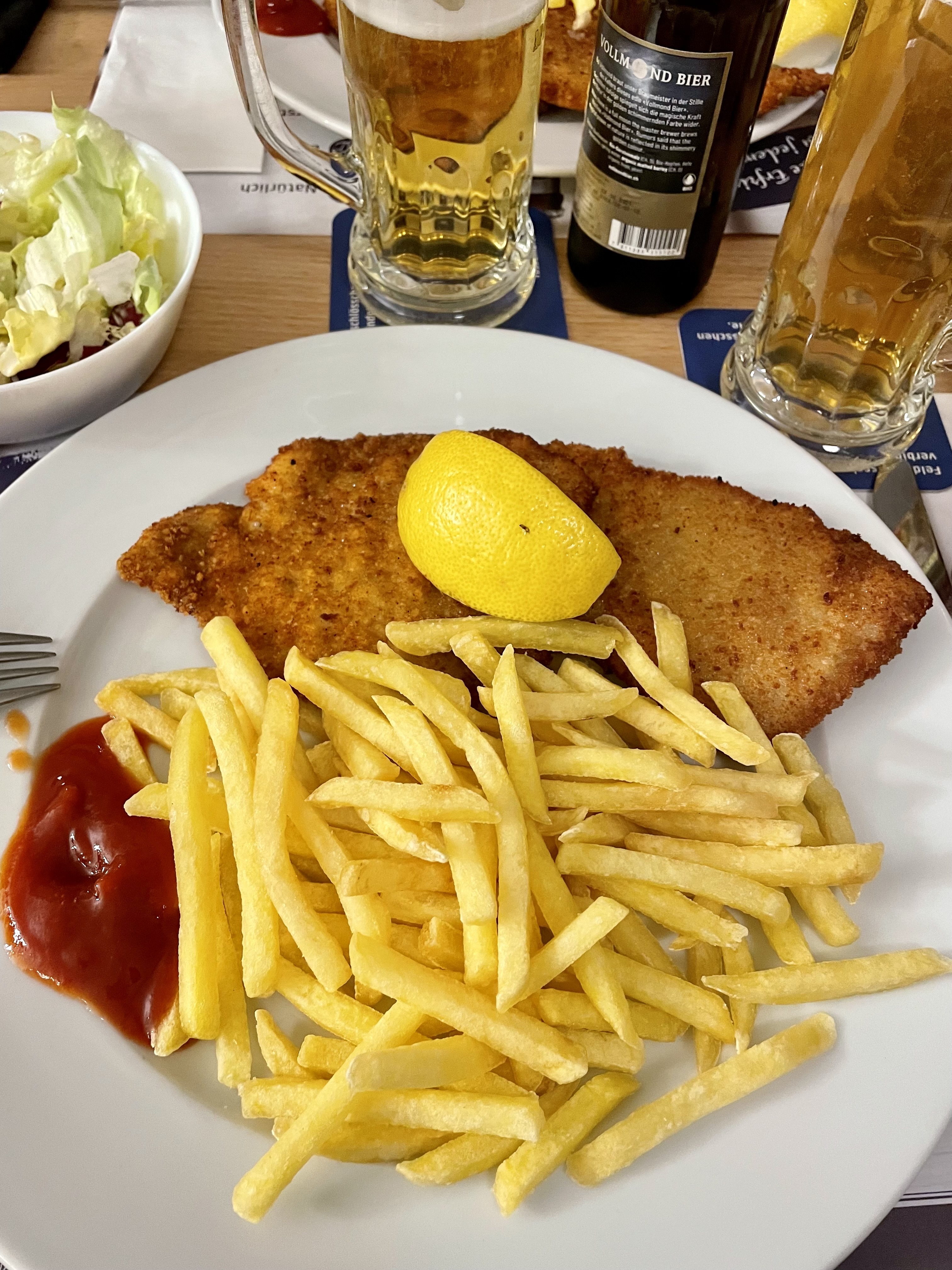
Although it was an intense week of work, there was still time to enjoy the finer side of life in Zurich, including sampling some local delicacies including Schnitzel (pictured below), Raclette and a very good amount of Swiss chocolate.