Regoutz Group


Adventures in Momentum Microscopy

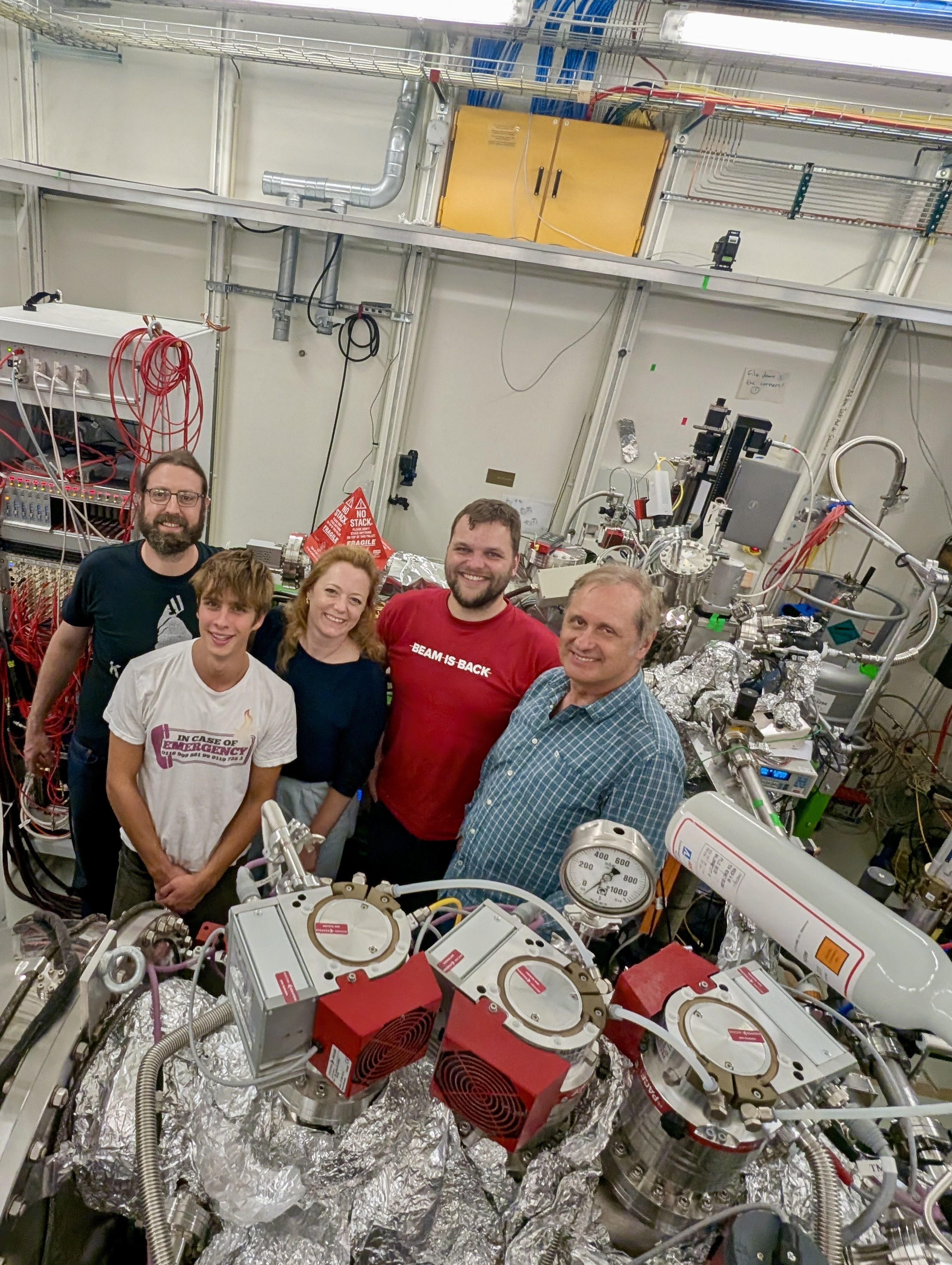
In mid-August we had the chance to be part of our first experiment on a momentum microscope. This was also Sam’s first ever synchrotron experiment. Sam is a second-year undergraduate at St Edmund Hall, who is spending 10 weeks over the summer in our group working on our transition metal hydride project as part of the EPSRC Vacation Internship scheme.

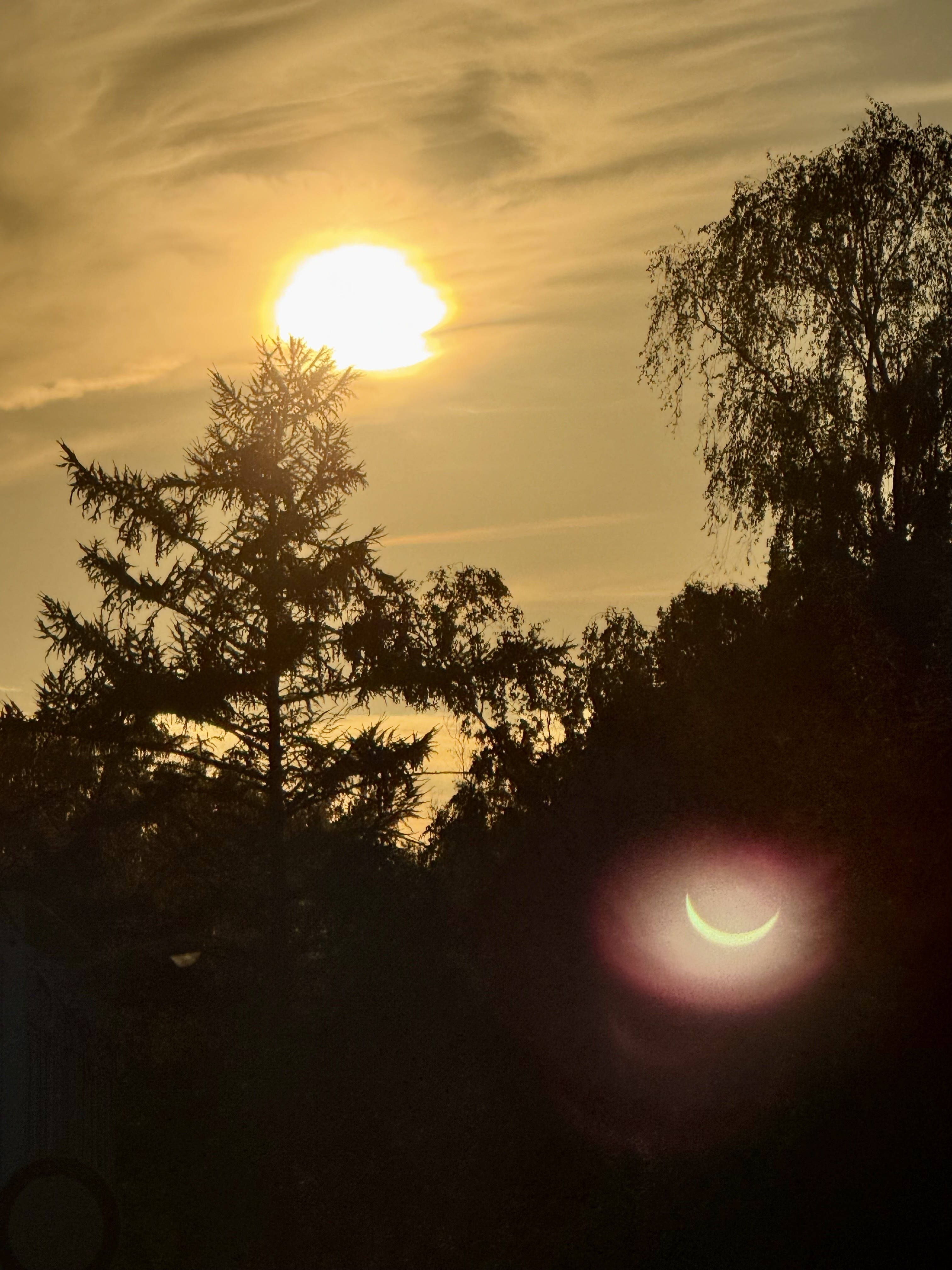
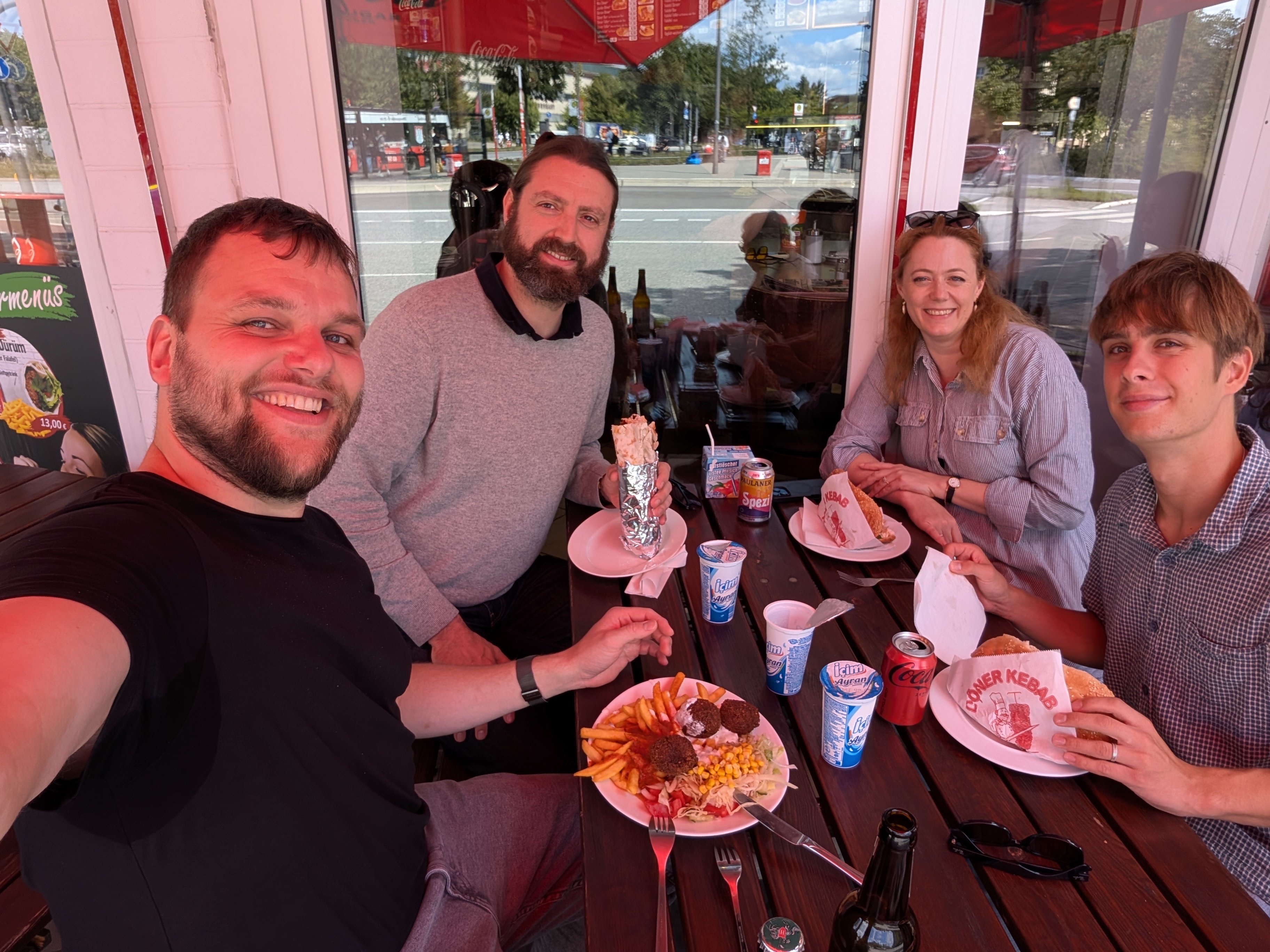
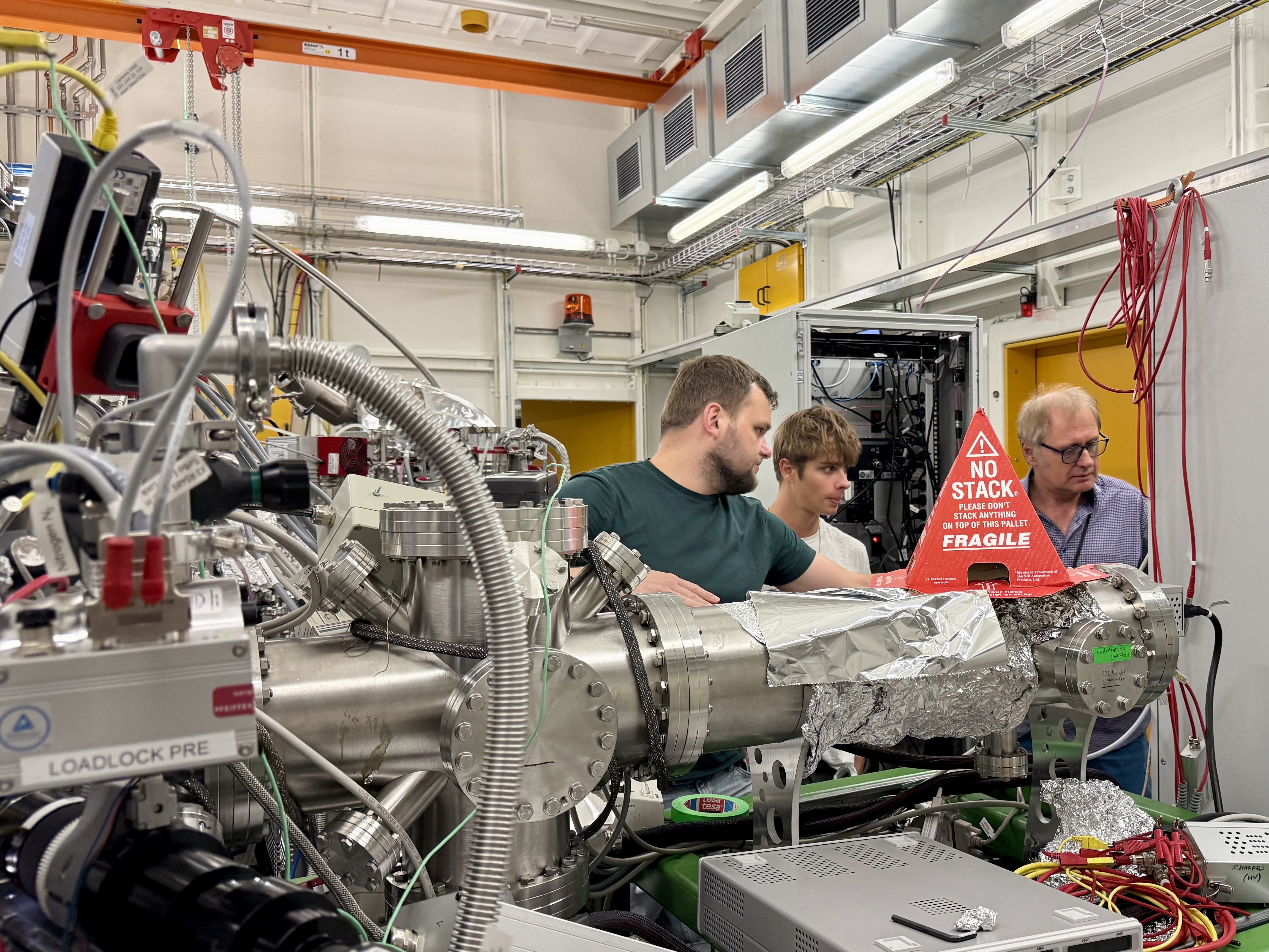
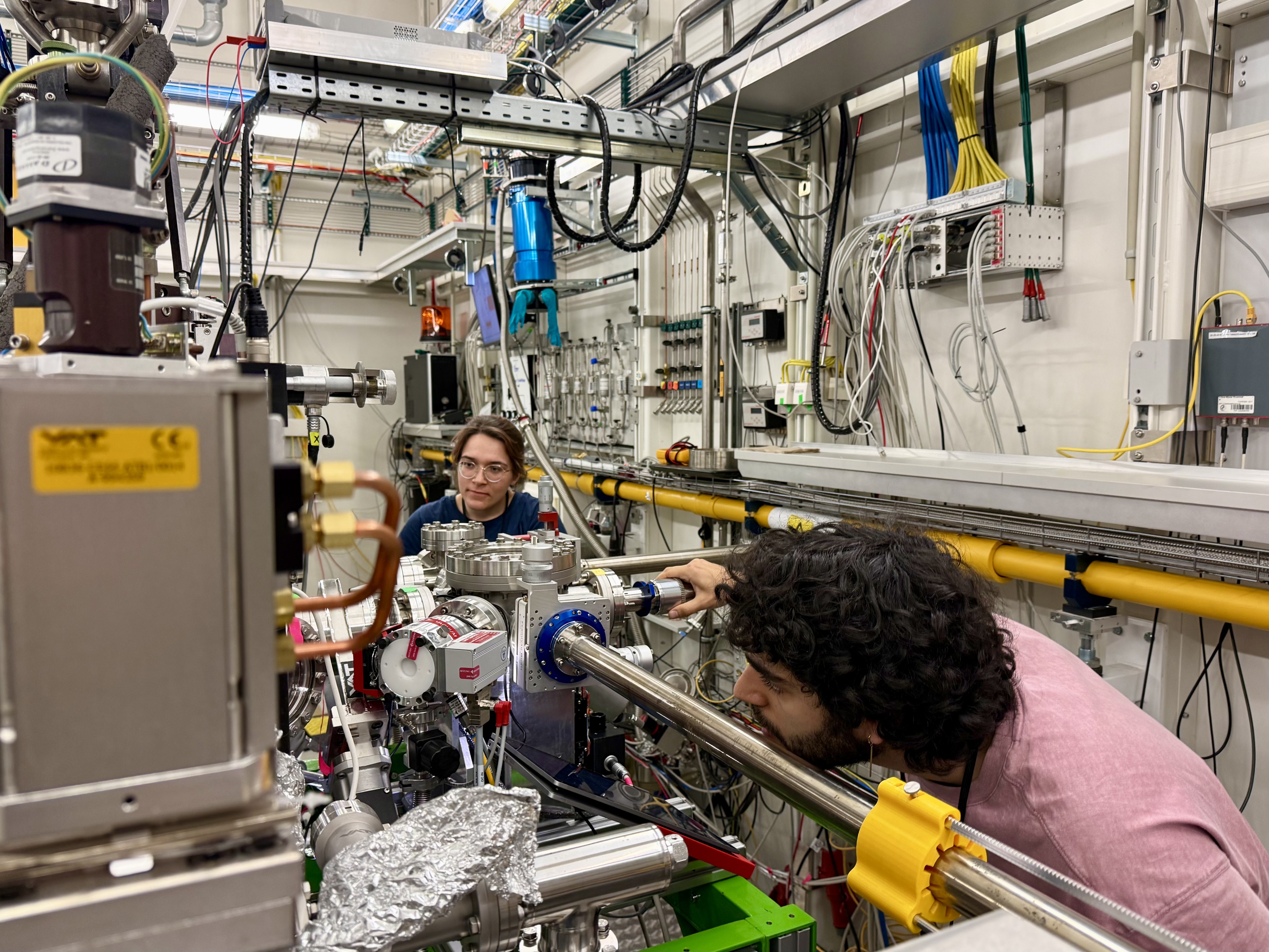
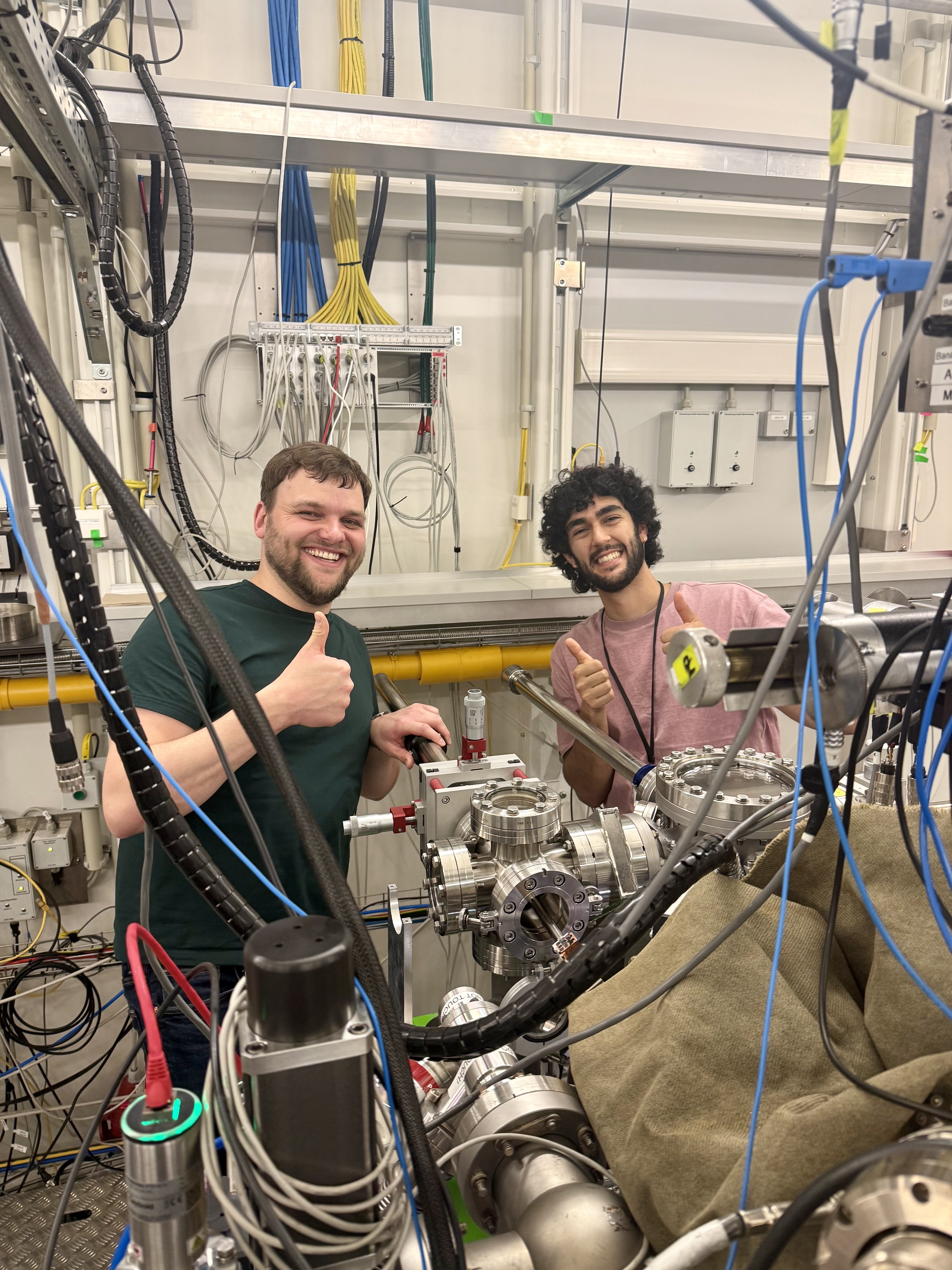
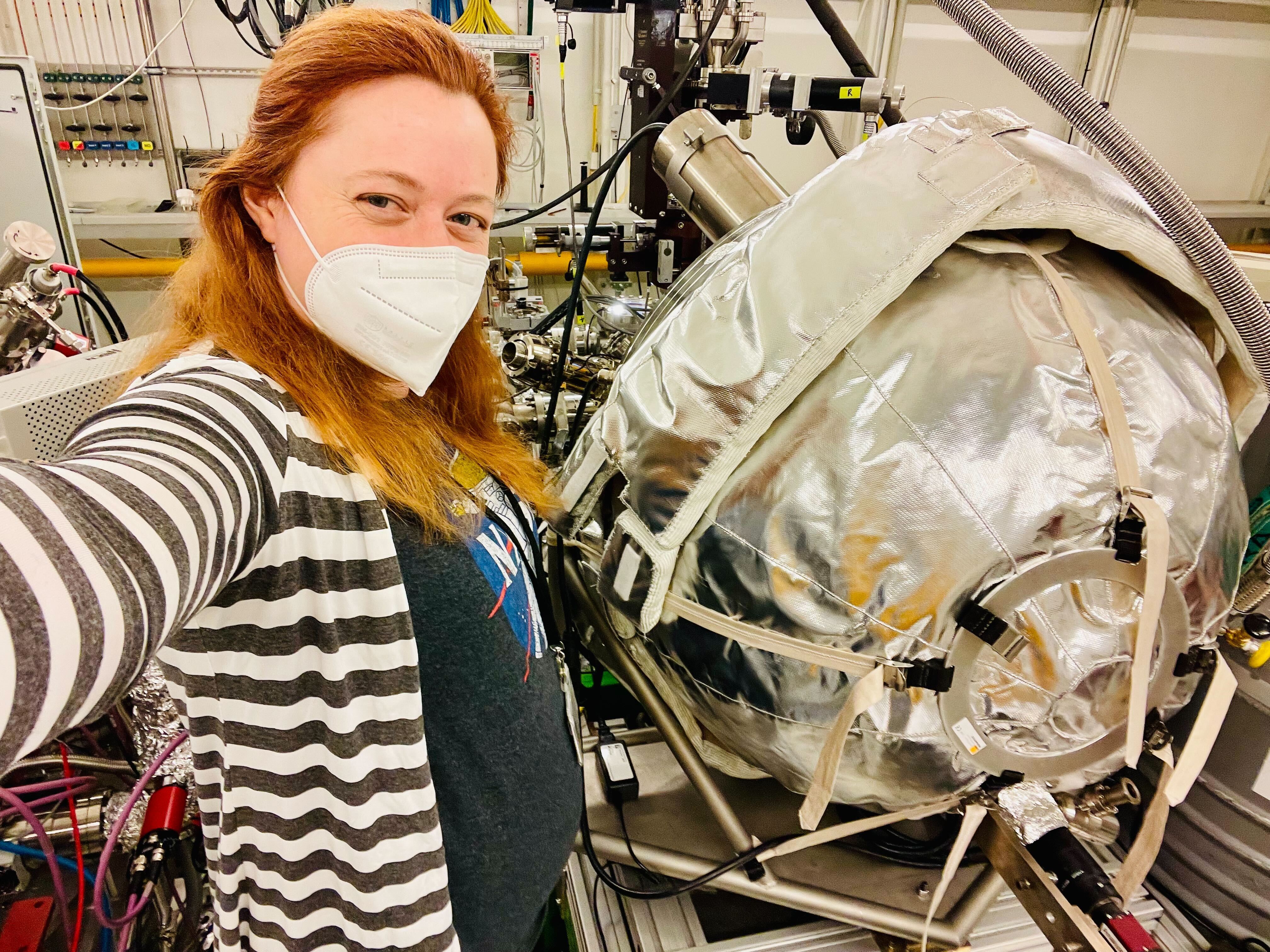
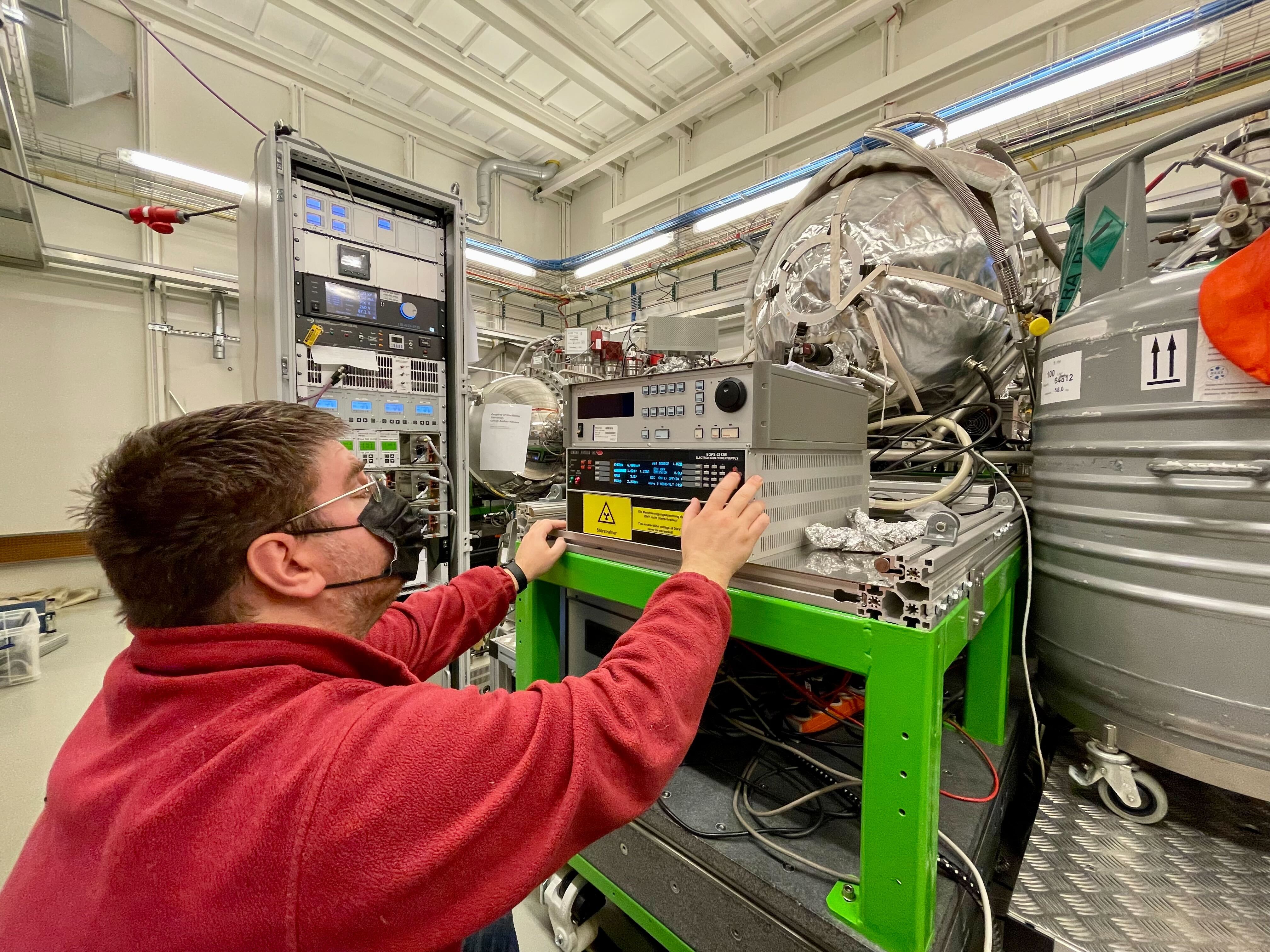
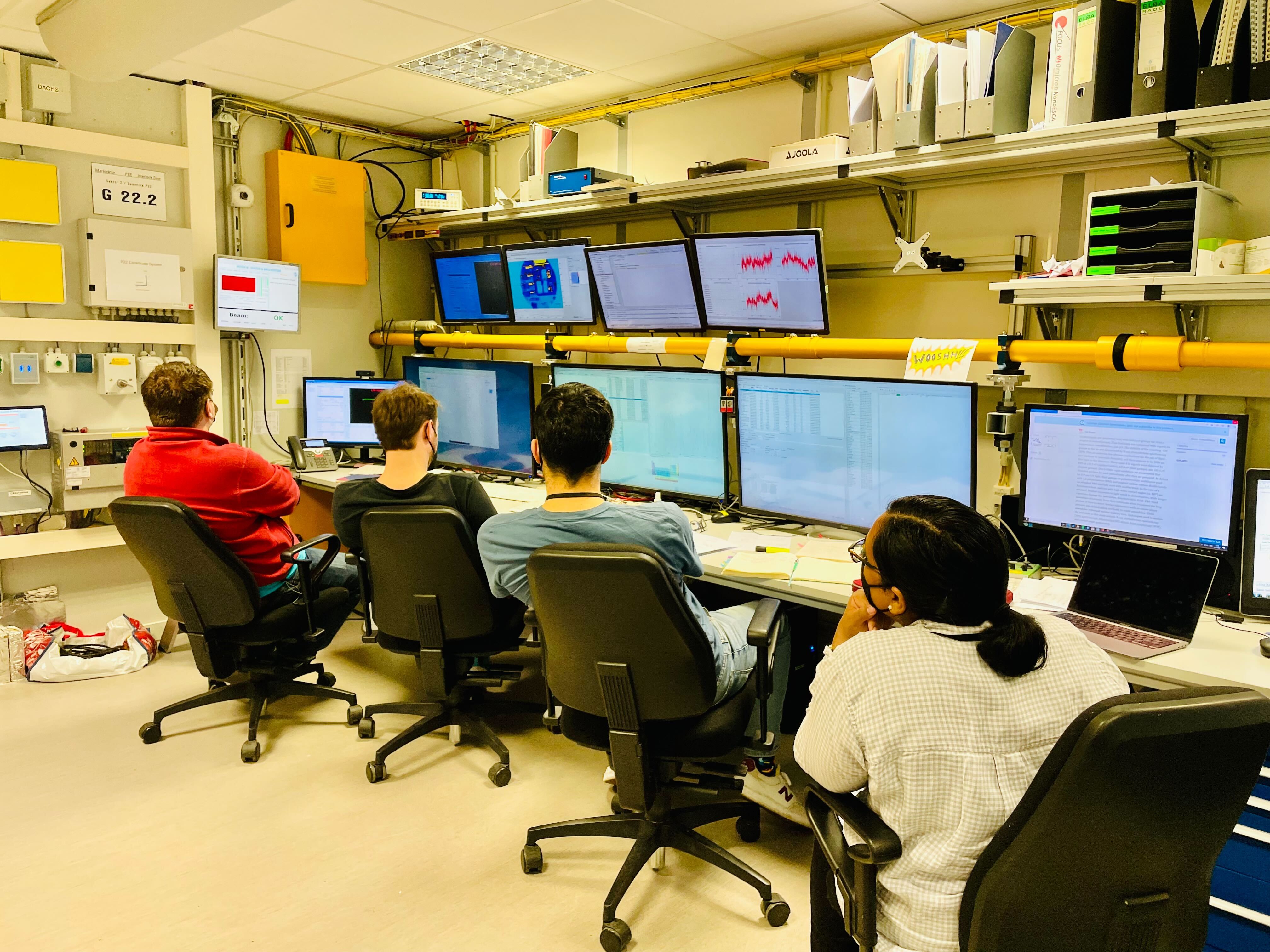
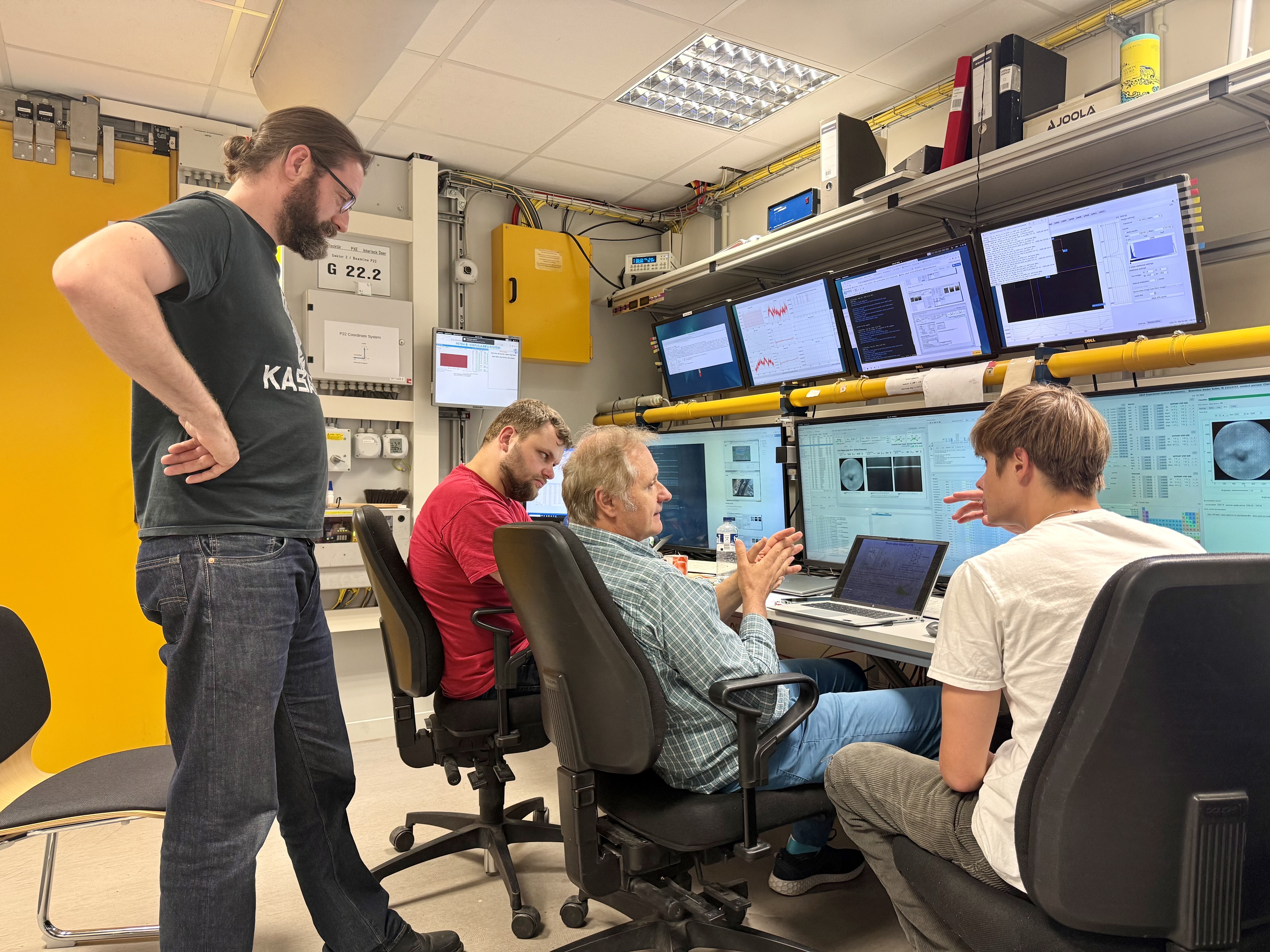
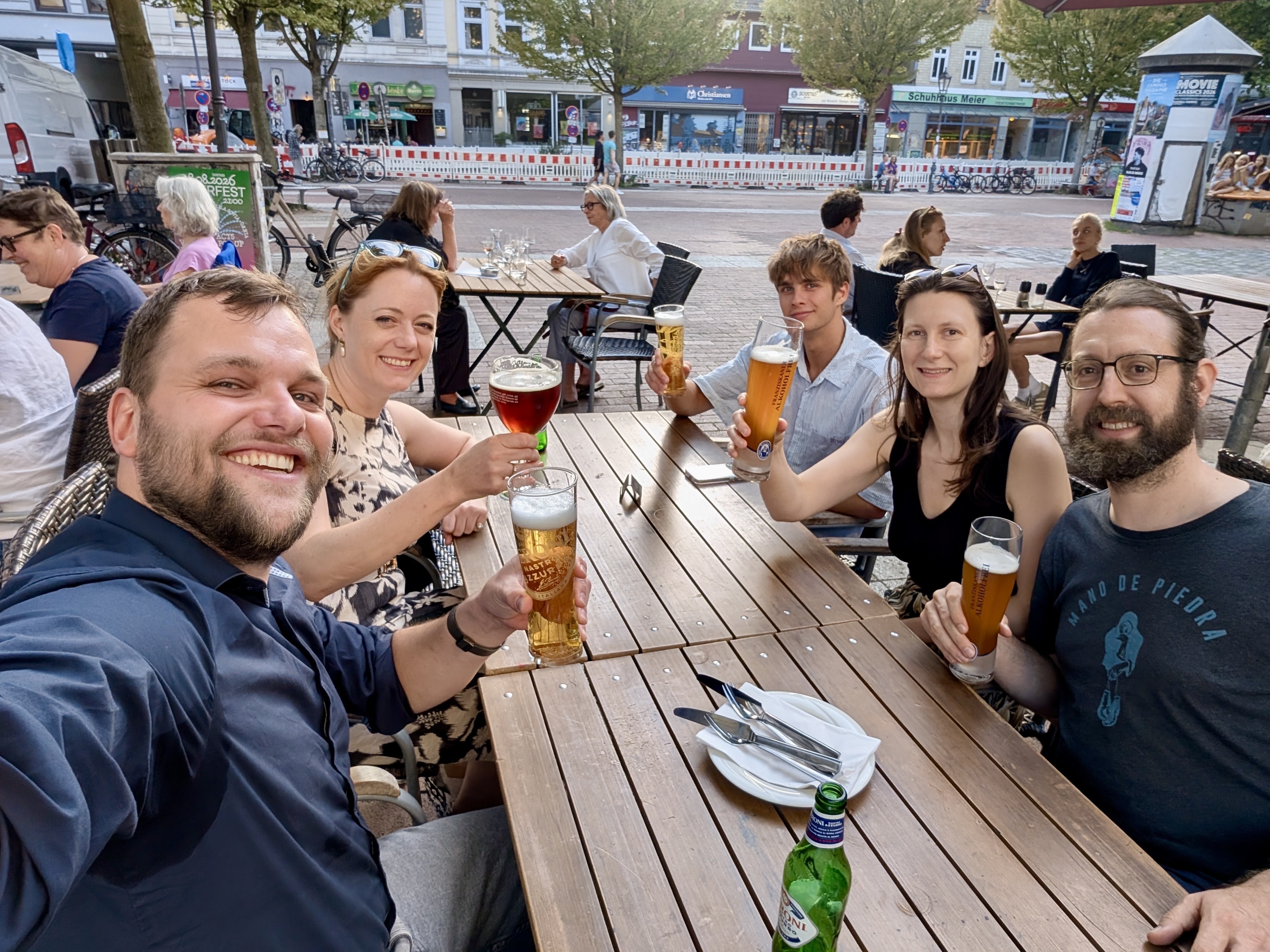
We spent a week working on the momentum microscope at beamline P22 at DESY together with Vladimir Strokov from PSI and Volkmar Koller, Sergii Chernov and Christoph Schlueter from P22. The setup makes use of the hard X-ray capabilities of the beamline to enable bulk sensitive measurements with energy and angular resolution (you can read more about this here: https://doi.org/10.1107/S1600577519012773). It was an intense and challenging, but also very enjoyable experiment given the fantastic team and machine. Watch this space for some beautiful results. For now you can enjoy photos of the beamline, dinners, and a bonus solar eclipse.
May = Month for HAXPES Beamtimes

In May the group performed two HAXPES beamtimes at beamlines I09 (Diamond Light Source) and P22 (PETRA III, DESY).

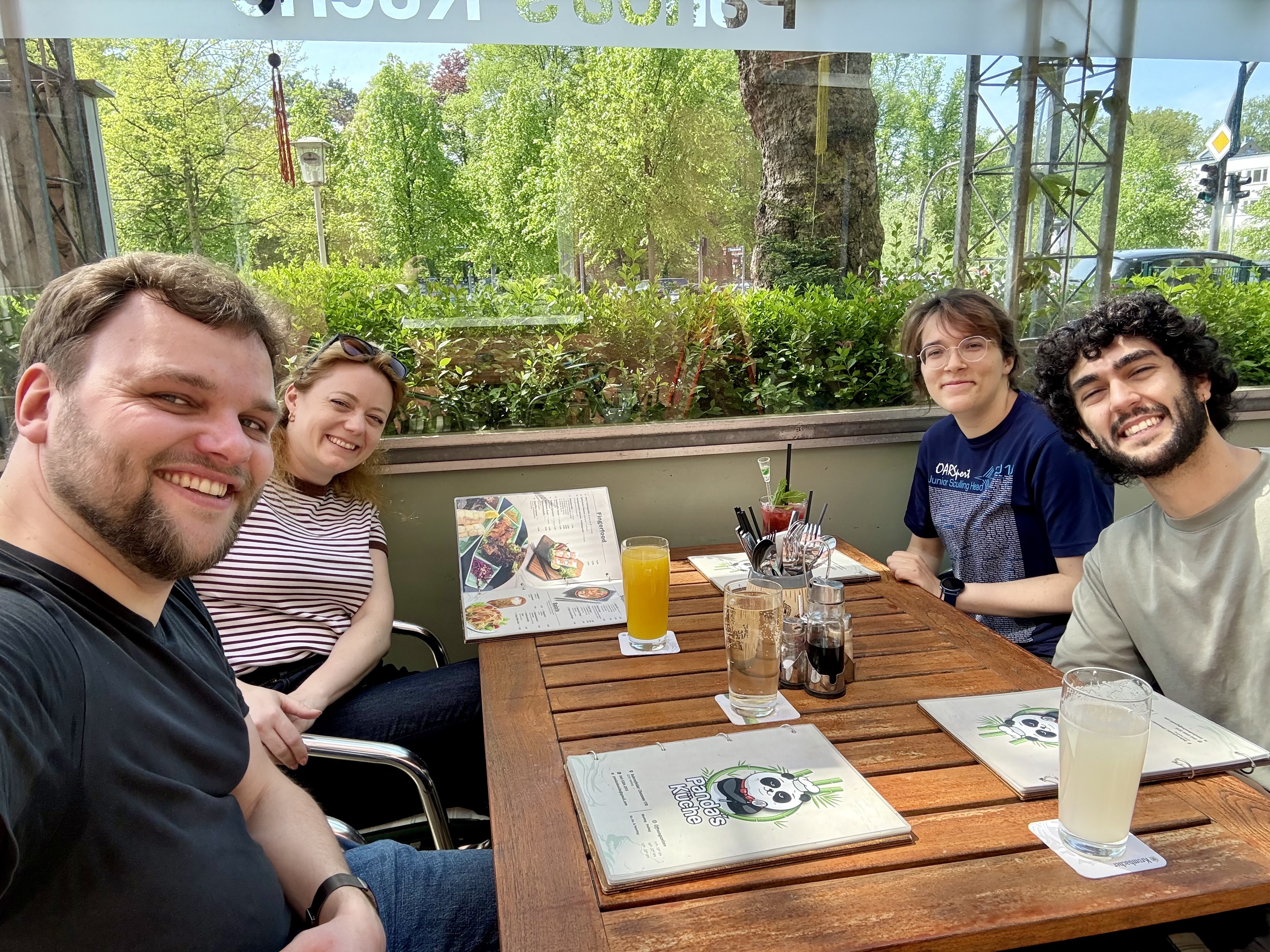
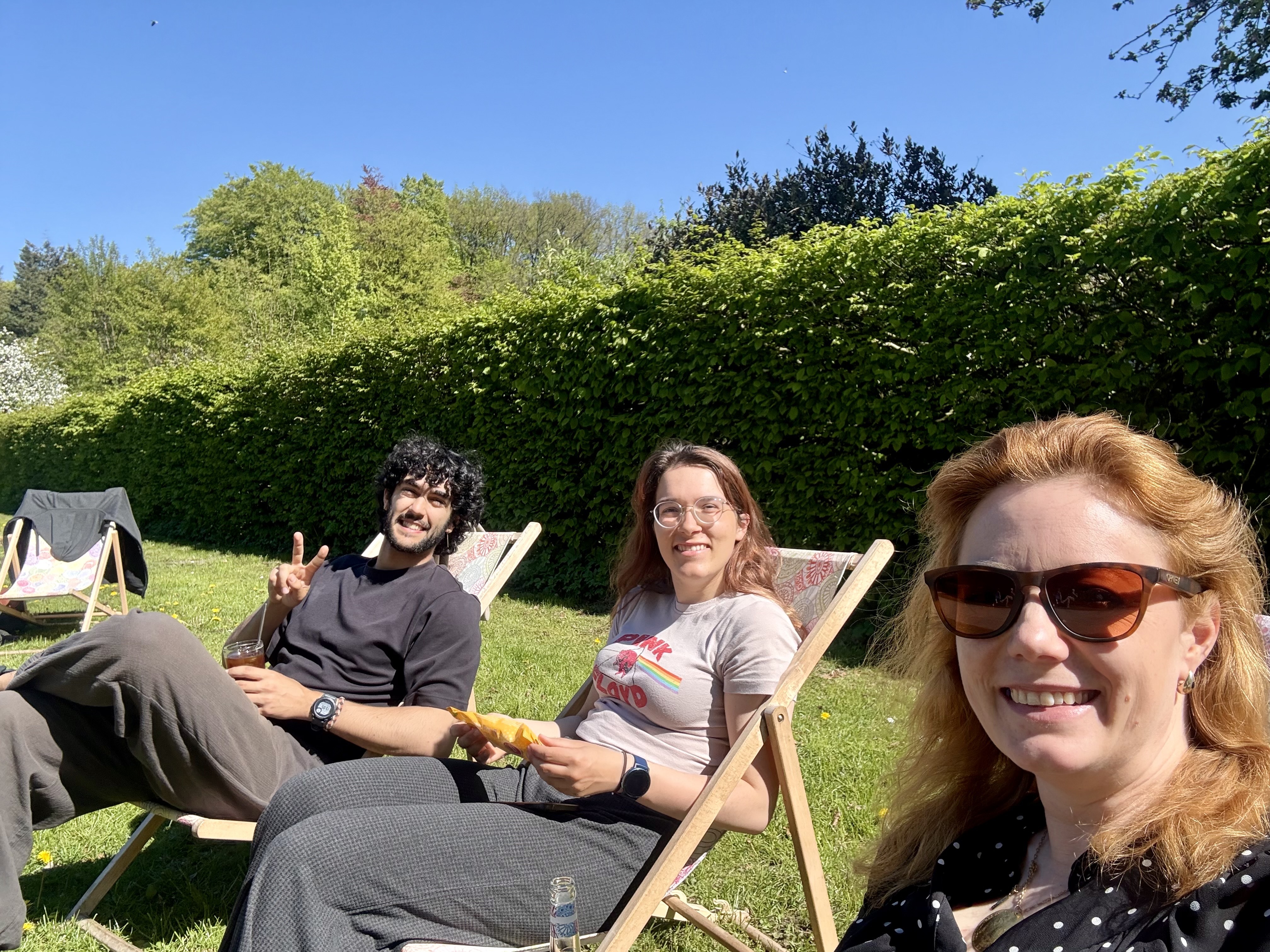
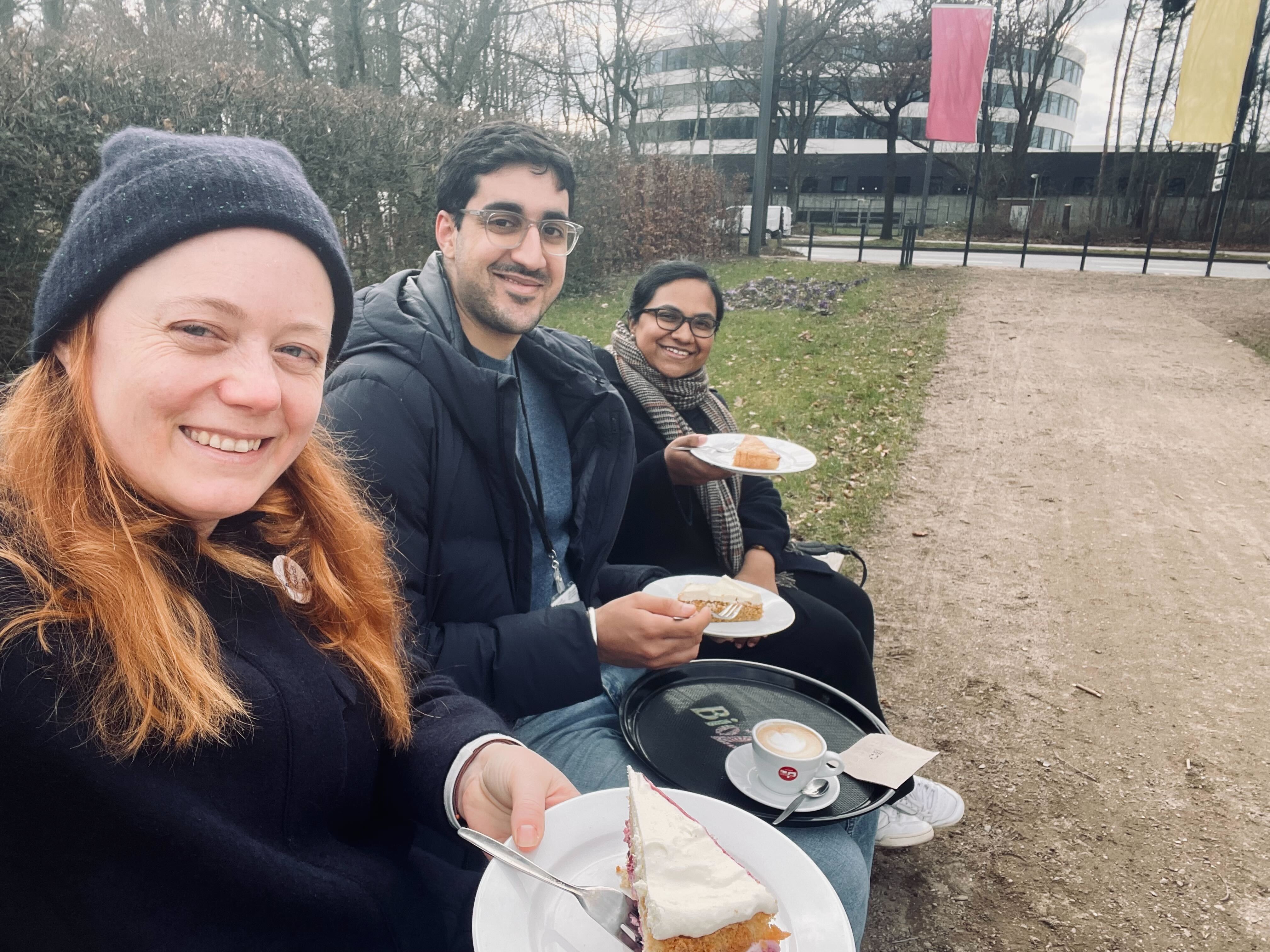
At the beginning of May, Nick, Elisabeth and Anna, spent time at P22 performing two back-to-back beamtimes. The experiments focused on the continuation of our very productive exploration of new MAX phases from Prof Christina Birkel’s group at Arizona State University and on systematic measurements on mixed post-transition metal oxides. In addition, we were able to collect data on several recently synthesised oxide thin films from our own efforts in sol-gel synthesis. Dr Volkmar Kollar was our local contact for the experiment providing both strong scientific and cheerful emotional support throughout. Obviously we also used the fantastic automation available at P22 to enjoy a slice of cake and coffee in the sunshine in the nearby park.

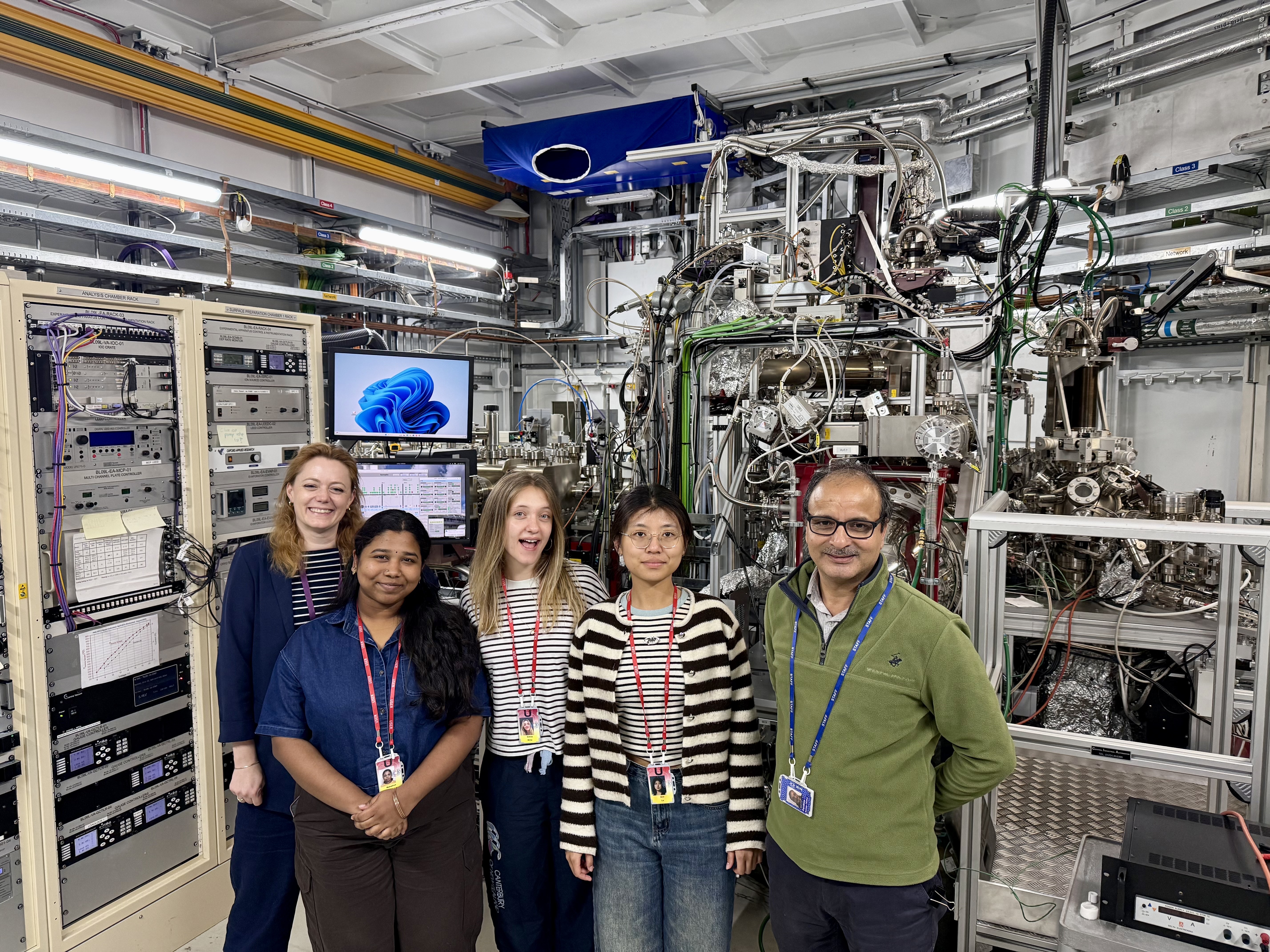
Just after this, we had another beamtime at I09 in mid-May, which was attended by Emma, Mahathee, Ann, and Anna. We measured some beautiful GeO2 thin films as well as a whole host of other post-transition metal oxide films. Excitingly this was also Emma’s and Mahathee’s first beamtime and both of them got to collect data on their own samples. Dr Pardeep Kumar Thakur was our ever competent and entertaining local contact.


Photo Competition Success

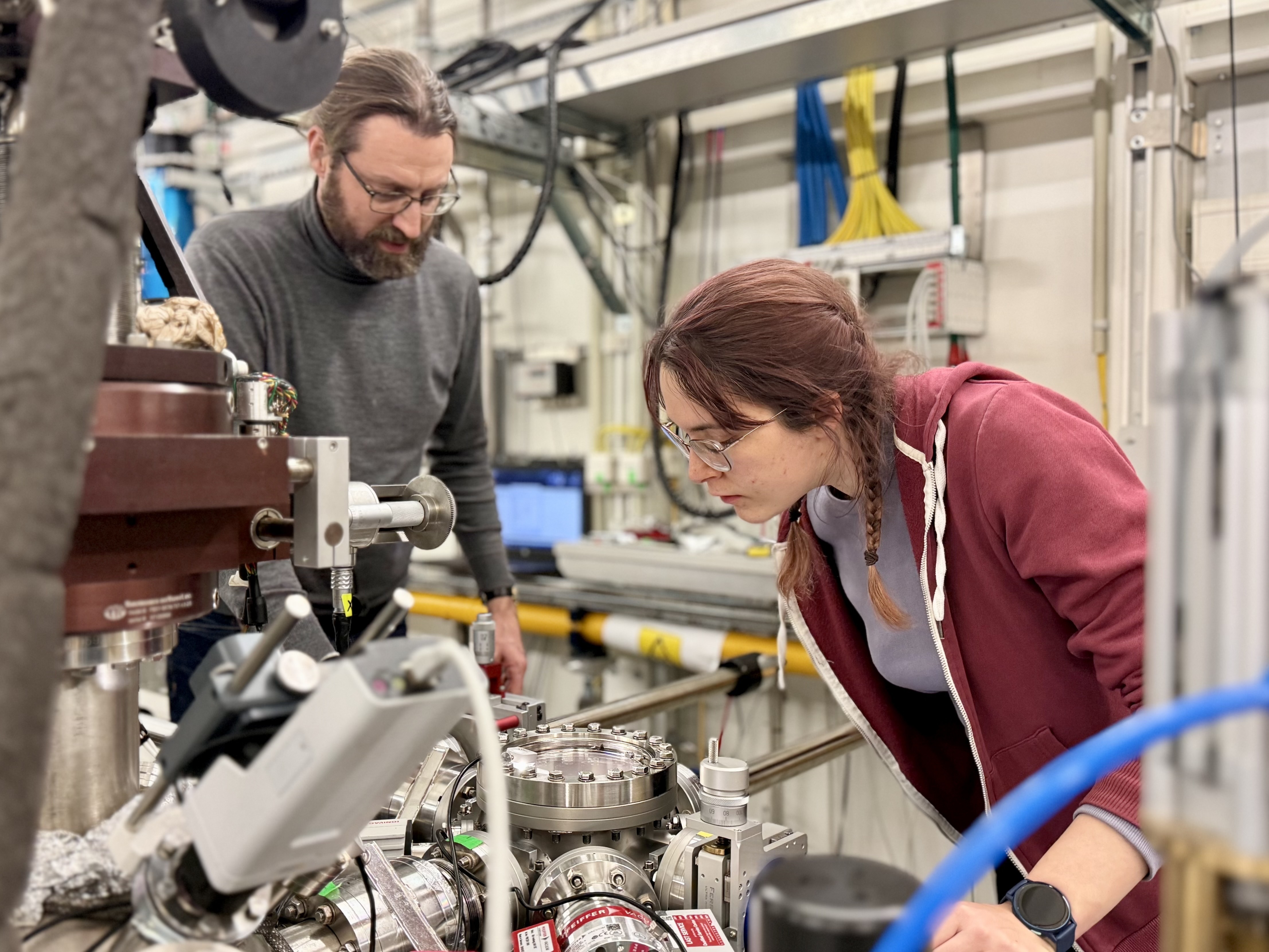
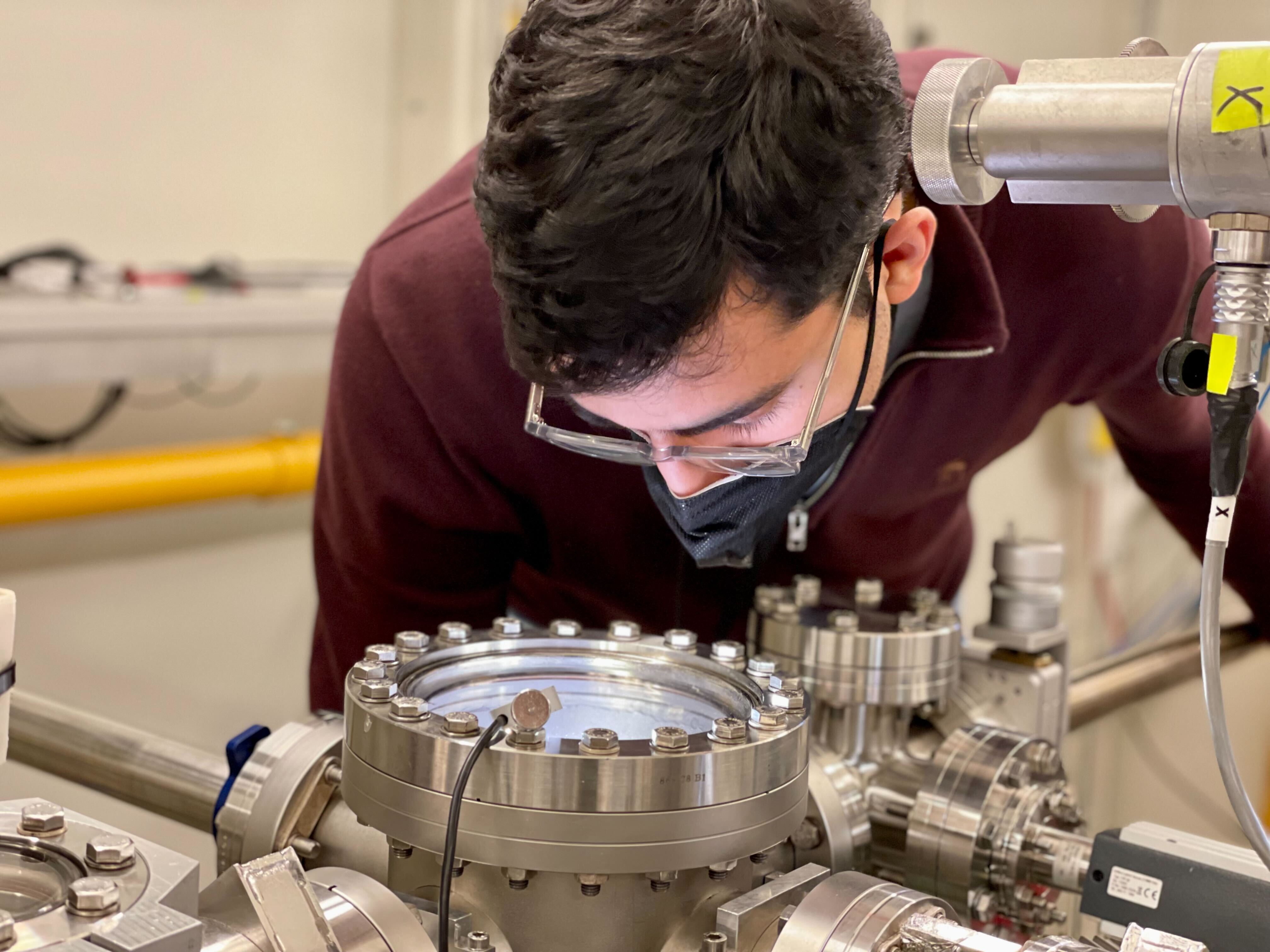
We always thought that UHV equipment provides a fantastic background for artsy photographs. This led us to submit a photograph of Elisabeth working with Dr Christoph Schlueter at beamline P22 at PETRA III, DESY, Hamburg, Germany, to our departmental photo competition. Turns out, we were right and our contribution won 1st place! Elisabeth is now the happy owner of a new Kindle (the grand prize).


New adventures in palladium hydride

Palladium hydride is the model system for studying how hydrogen interacts with a metal host. Already in 1869, Thomas Graham, then Master of the Mint, published work showing that palladium was able to absorb large quantities of hydrogen. Yet, as with all hydrides, it has been difficult to directly probe its bulk electronic structure and chemical bonding.

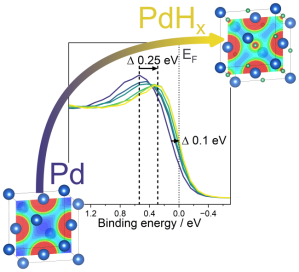
Following from our work on yttrium and titanium metal hydride, we have now published work focusing on PdH. A key difference between Ti/Y hydride and Pd hydride is that Ti and Y form stable hydrides without external hydrogen pressure, whilst Pd does not, i.e. it needs active external hydrogen pressure to retain the hydrogen. Therefore, we had to change strategy switching from using ultra-high vacuum based hard X-ray photoelectron spectroscopy (HAXPES) to ambient-pressure HAXPES (AP-HAXPES). AP-HAXPES enabled us to measure the incorporation of hydrogen in Pd under 200 mbar of active hydrogen pressure at varying temperature. The use of hard X-rays not only provides improved probing depth into the solid, but allows the higher local hydrogen pressures necessary to observe the hydride formation. Combined with structural characterisation and density functional theory calculations we were able to explore the changes induced by the hydrogen incorporation in-situ and correlate this with the enthalpy of formation of the hydride.

The study was a team effort with friends and colleagues contributing their expertise. The HAXPES experiments for both published stories were conducted on beamline P22 at PETRA III (DESY), which has multiple end-stations enabling state-of-the-art studies supported by a fantastic local beamline team led by Dr Christoph Schlueter. Dr Lars Bannenberg and team contributed the samples and their extensive expertise in metal hydrides and their structural characterisation. Dr Laura Ratcliff was in charge of the theoretical efforts.


How to mitigate radiation damage? Exploring the dark side

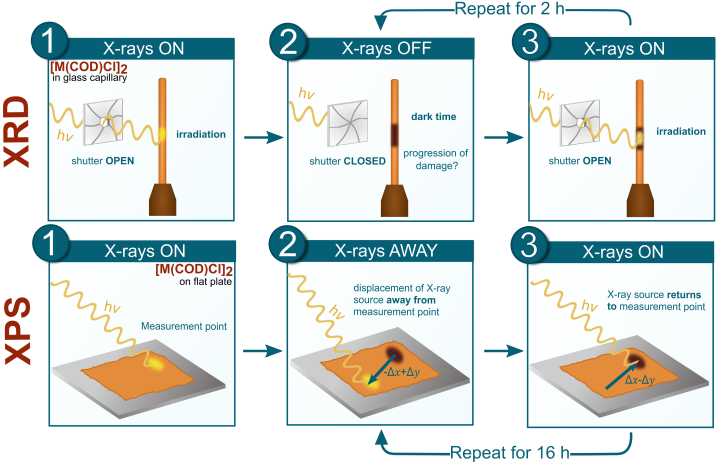
Investigating discontinuous X-ray irradiation as a damage mitigation strategy for [M(COD)Cl]2 catalysts
N. K. Fernando, C. A. Murray, A. L. Thompson, K. Milton, A. B. Cairns, and A. Regoutz, Physical Chemistry Chemical Physics, 27, 9417, 2025.

Radiation-induced changes have become an aspect of everyday life for many of us who use X-ray based techniques. With the ever increasing photon flux and ever decreasing beam footprints of laboratory and synchrotron systems radiation damage is becoming an increasing challenge for material characterisation using techniques such as X-ray spectroscopy and diffraction.

In our most recent exploration into this topic, led by Dr Nathalie Fernando, we explored a possible mitigation strategy, where short, X-ray-free “dark” periods are introduced in-between measurement windows. However, it is unclear whether this strategy helps to minimises radiation-induced damage or, in actuality, promotes it through a phenomenon called “dark progression”, i.e. the increase or progression of radiation damage that occurs after the X-ray beam is turned off. This work is now published in the RSC journal Physical Chemistry Chemical Physics.


Connecting the dots in metal dihydrides

Over the past couple of years, we have worked hard on a (new to us) material family: transition metal dihydrides. These material are crucial for applications in hydrogen-related technologies, such as energy storage, hydrogen compression, and hydrogen sensing.

In a recently published work led by Curran, we developed a new analytical pathway to explore the relationship between chemical bonding, electronic structure and formation enthalpy of two prototypical metal dihydrides (yttrium and titanium dihydride).
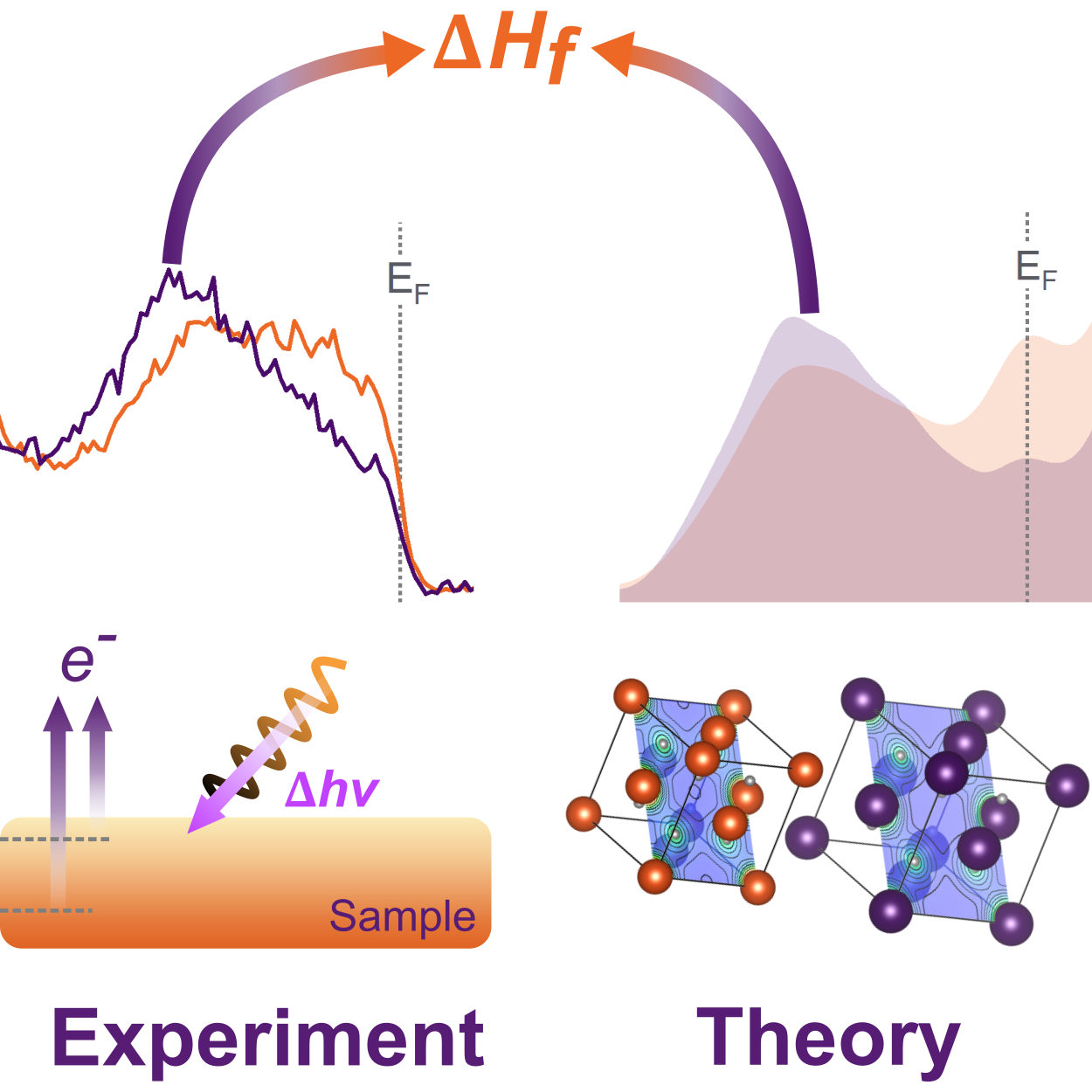
Using hard X-ray photoelectron spectroscopy (HAXPES) at beamline P22 at PETRA III/DESY and by taking advantage of the tunability of synchrotron radiation, we created a non-destructive depth profile of the chemical states. We could provide a description of the bonding nature and the role of d versus sp contributions to states near the Fermi through combination of experimental valence-band spectra and insights from density functional theory (DFT) calculations, the latter was led by Dr Laura Ratcliff from the University of Bristol. Excitingly, we could determine the enthalpy of formation from both theoretical and experimental values of the energy position of metal s-band features close to the Fermi energy.

We were extra excited to see our work being highlighted by the National Research Council of Italy in a recent press release.


Work selected as Diamond Science Highlight

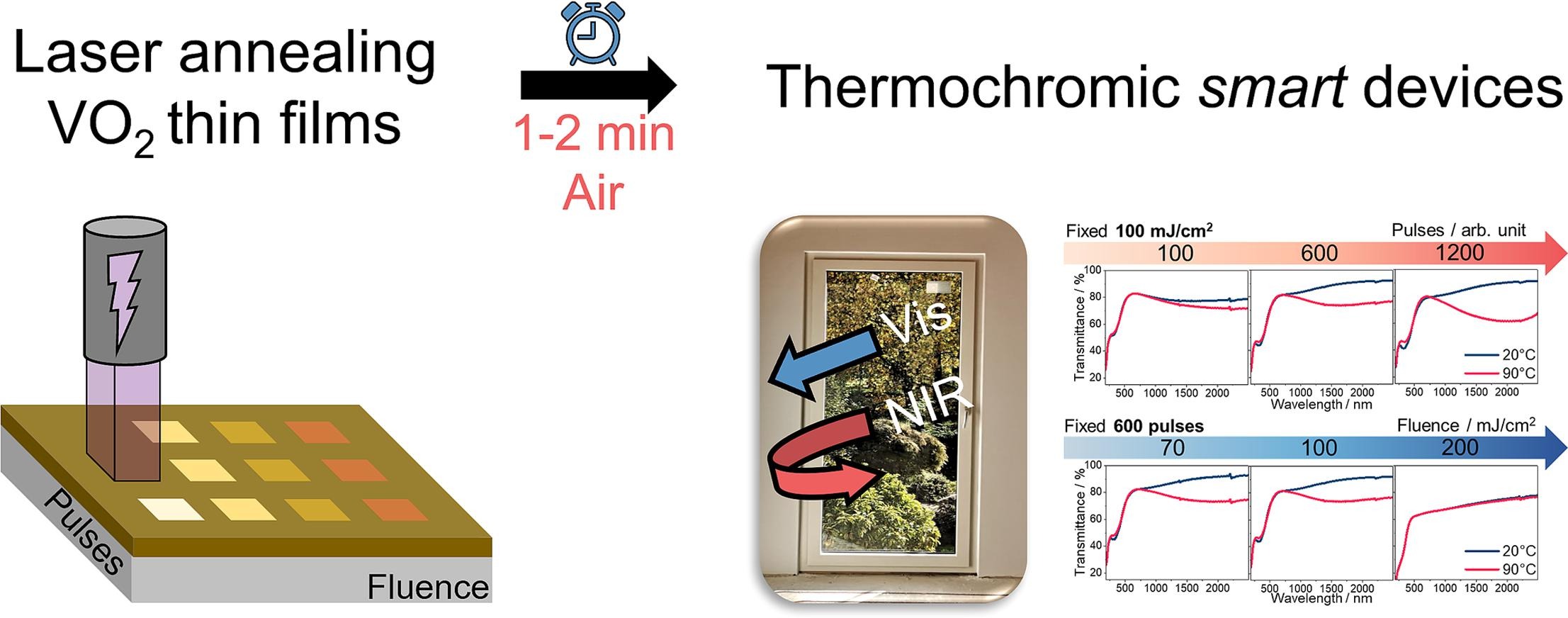
A study led by Maria Basso, a PhD student at the University of Padova, Italy, who visited the group for six months in 2022, has been selected as a Science Highlight by Diamond Light Source. Maria spent her time in the group working on developing a sol-gel dip-coating approach to vanadium dioxide films and their characterisation with a number of techniques, including laboratory and synchrotron-based X-ray photoelectron spectroscopy. During her stay with us, she was able to join one of our beamtimes at beamline I09 at Diamond and we found a bit of spare time to run some of the samples made at UCL. This provided complementary information to the more surface-sensitive data collected in our system at UCL. You can read the full manuscript here.


First beamtime of the academic year!

Curran and Aysha from the group were joined by Benjamin Moss from Imperial College London for four days of experiments at beamline I09 at the Diamond Light Source. They were able to measure several sets of MXene and MAX phase samples from our long-time collaborator Christina Birkel at Arizona State University. The measurements were performed with both soft and hard X-rays and will hopefully shed light on the surface and bulk characteristics of these novel materials.

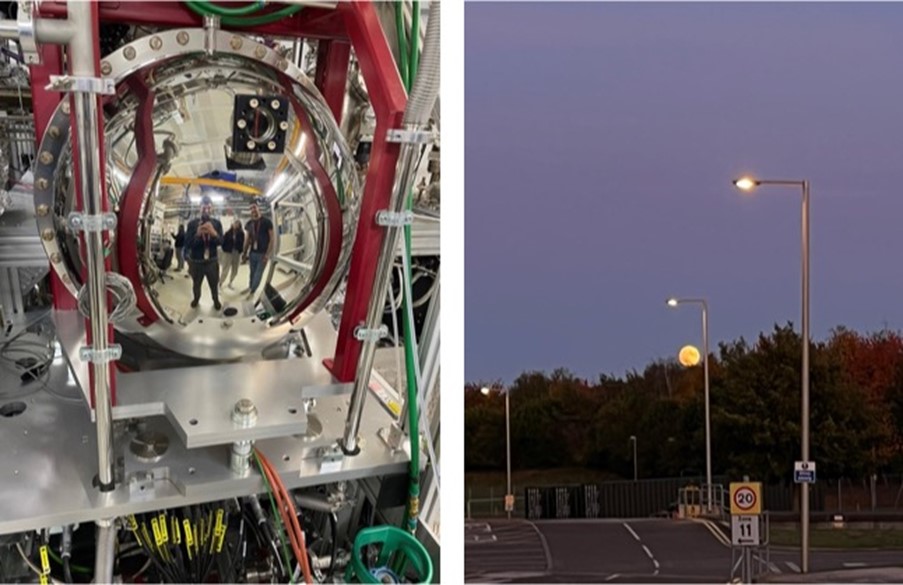
Benjamin also brought some exciting metal oxide samples with him, but they put up a fight and many hours were required to overcome charging issues! However, the team powered through and after many tests, they were able to collect a good set of data. The cherry on the top was the collection of a beautiful Ti 1s spectrum of the material. Aside from the success of the measurements one highlight was definitely the view of the moon on our second night as we stumbled back to the beam line after chocolate sponge cake and chocolate custard.


Getting to the bottom of TiW

After spending a week at EMPA in Zurich, Switzerland, depositing high quality TiW thin films in February, Curran, Nathalie and Anna travelled to DESY, Hamburg, Germany, in the first week of March to collect HAXPES data on them. We were back at one of our favourite HAXPES beamlines, P22 at PETRA III, and the work was, as always, expertly supported by the local team of Dr Christoph Schlueter and Dr Andrei Hloskovsky.

In order to ensure that the samples where in the best possible condition for measurement we needed to apply quite an involved level of logistics including vacuum sealing, glove box transferring, and in-situ sputtering. This enabled us to measure the films in their truly metallic state without interference from surface oxidation and contamination. Although HAXPES enables to probe the bulk of a sample, overlying surface oxides can significantly influence and perturb the HAXPES spectral quality. We both explored the influence of Ti/W composition on the electronic structure as well as a challenging experiment to try and probe the buried interface between TiW and the underlying SiO2/Si substructure. We also had time to explore the local offerings of cake and caffeinated beverages.