Regoutz Group


Adventures in Momentum Microscopy

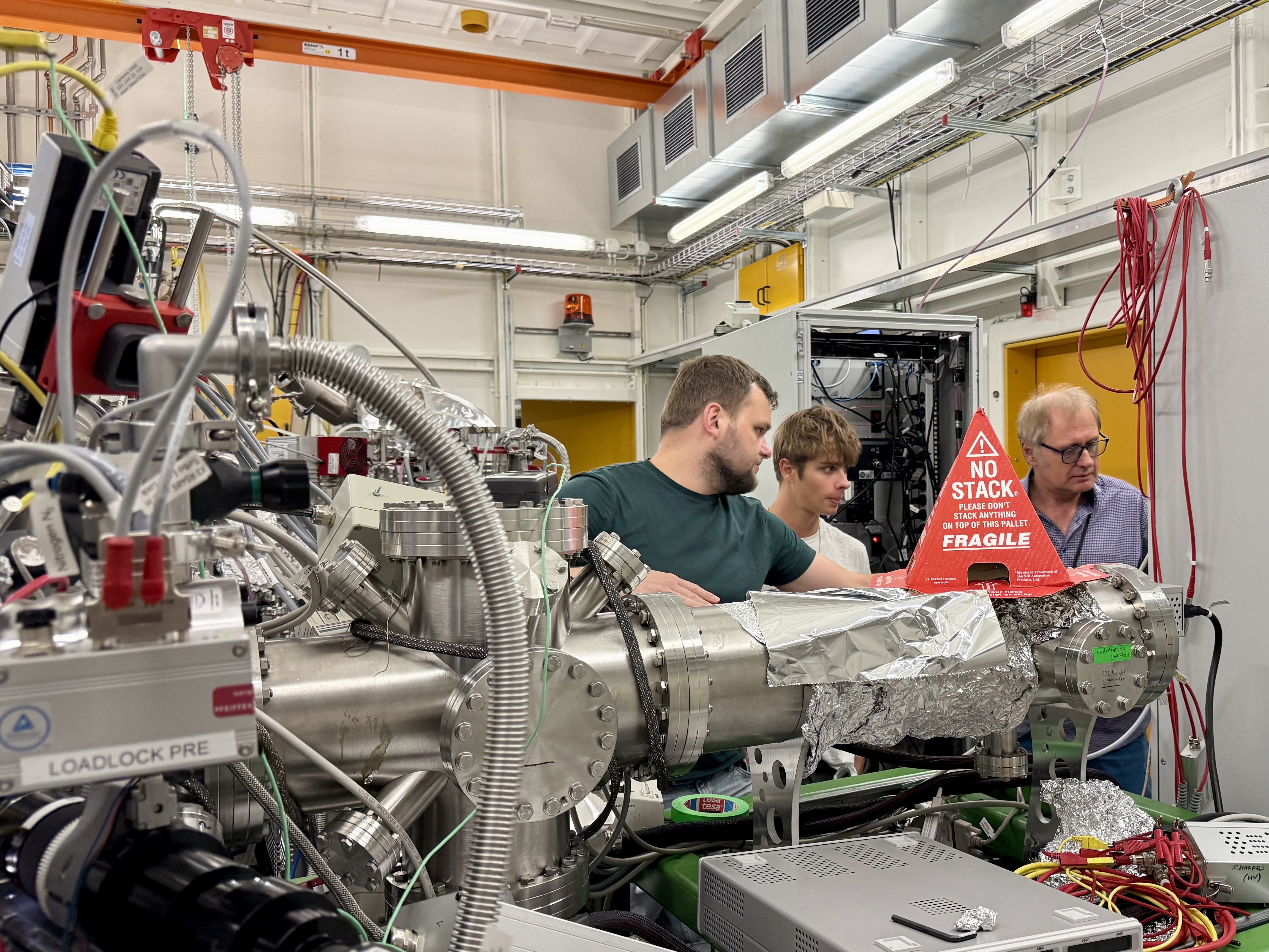
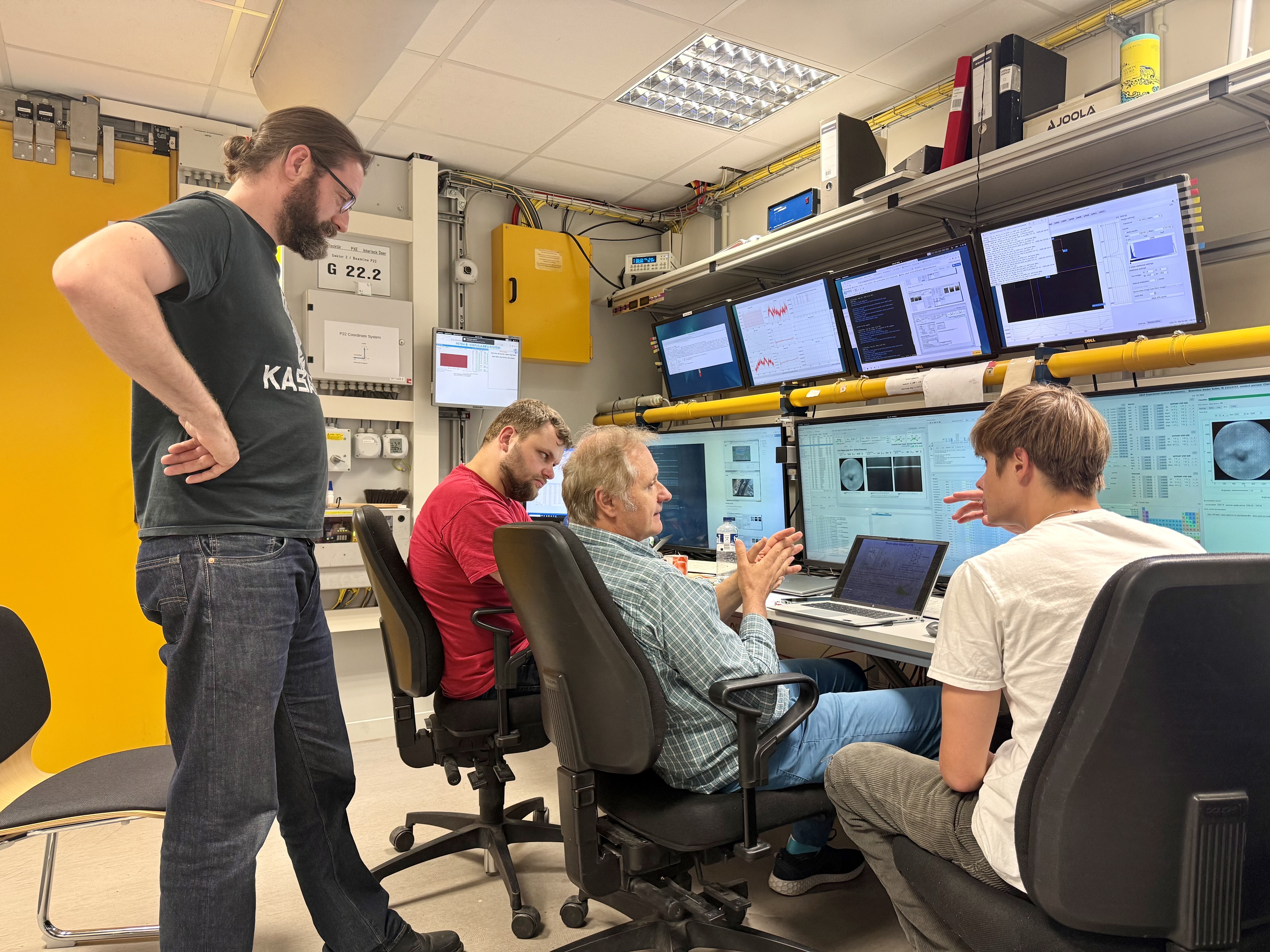
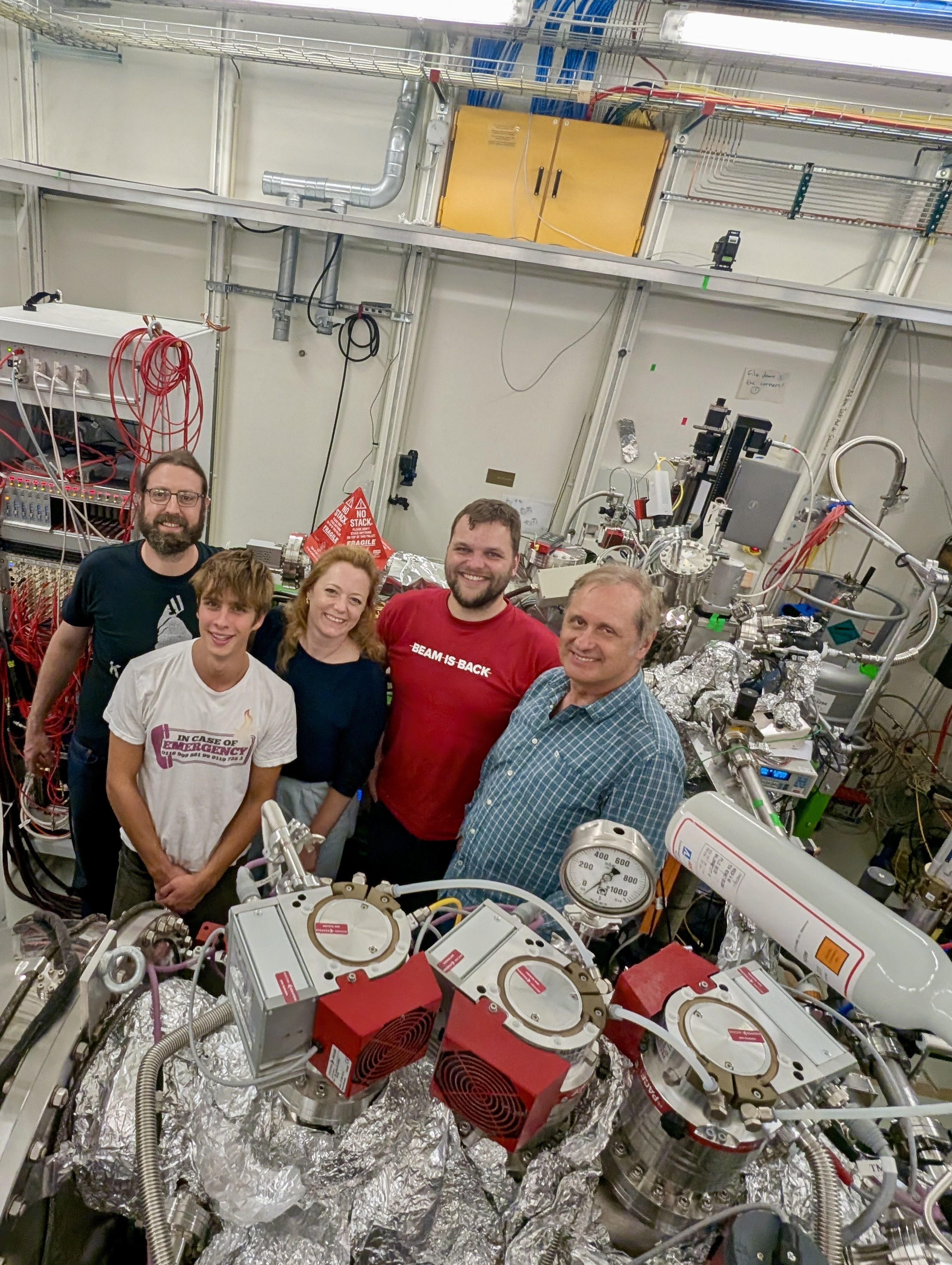
In mid-August we had the chance to be part of our first experiment on a momentum microscope. This was also Sam’s first ever synchrotron experiment. Sam is a second-year undergraduate at St Edmund Hall, who is spending 10 weeks over the summer in our group working on our transition metal hydride project as part of the EPSRC Vacation Internship scheme.

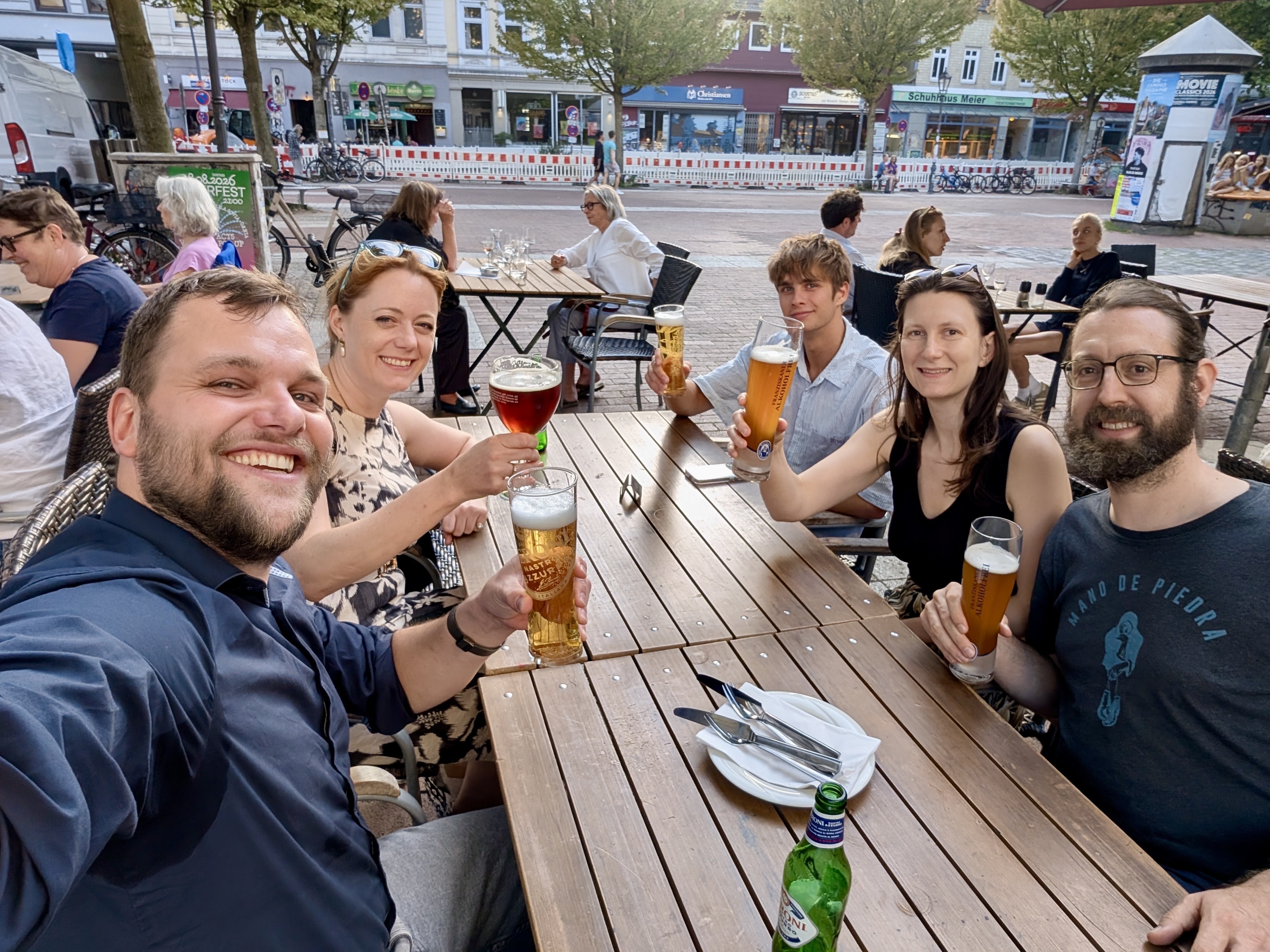
We spent a week working on the momentum microscope at beamline P22 at DESY together with Vladimir Strokov from PSI and Volkmar Koller, Sergii Chernov and Christoph Schlueter from P22. The setup makes use of the hard X-ray capabilities of the beamline to enable bulk sensitive measurements with energy and angular resolution (you can read more about this here: https://doi.org/10.1107/S1600577519012773). It was an intense and challenging, but also very enjoyable experiment given the fantastic team and machine. Watch this space for some beautiful results. For now you can enjoy photos of the beamline, dinners, and a bonus solar eclipse.
Spectroscopy Summer School in Tartu

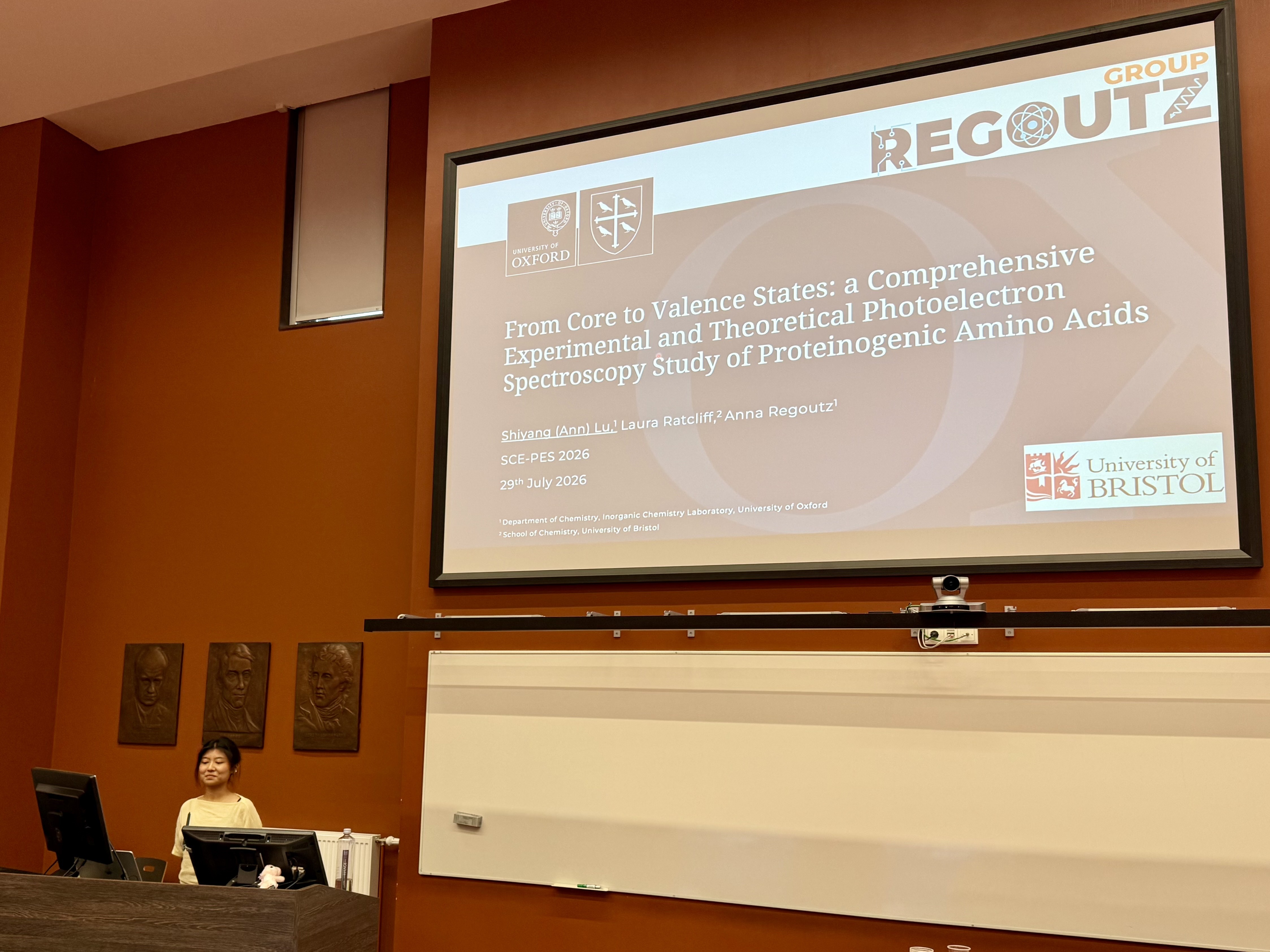
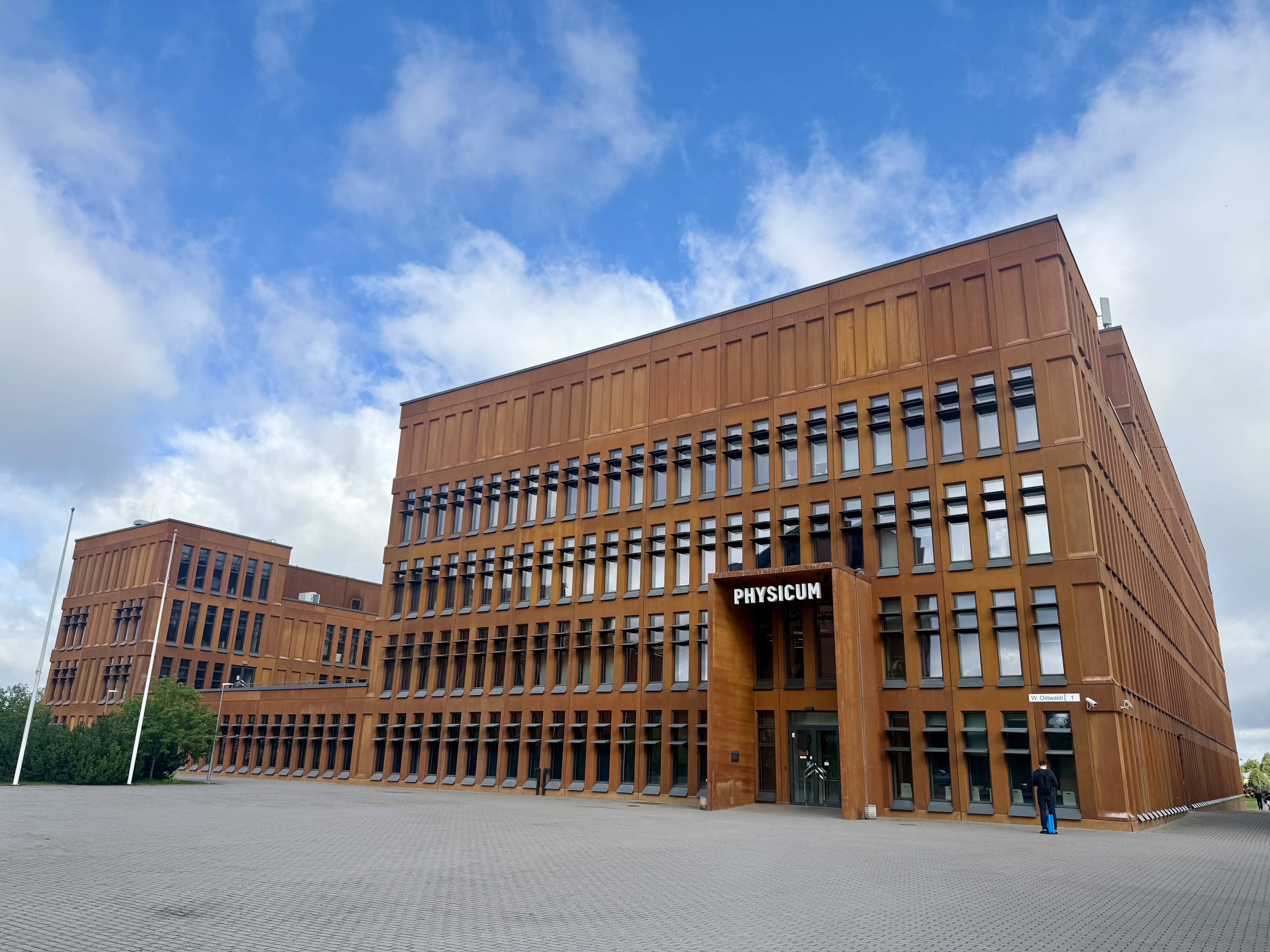
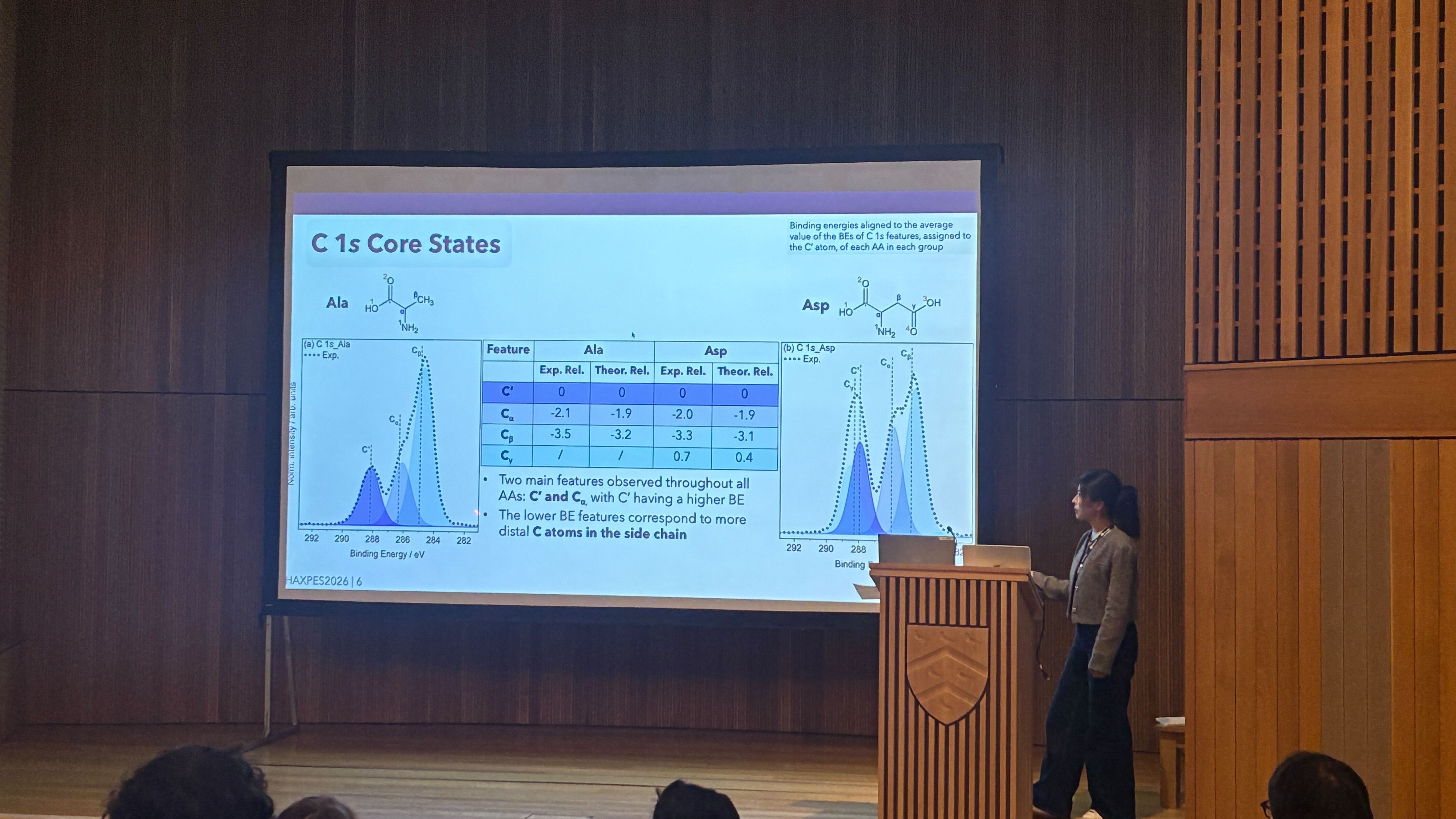
At the end of July, Ann and Anna attended the first Summer School on Computational and Experimental Photoelectron Spectroscopy (SCE-PES) at the University of Tartu in Estonia, organised by Dr J. Matthias Kahk. The summer school was organised in conjunction with the Horizon Europe MSCA Staff Exchanges project BETTERXPS that the group is a part of. The summer school combined lectures by leading experts in the theory and experiments of PES. Many of our theory collaborators giving excellent introductions to their theoretical approach of choice, from the underpinning concepts to state-of-the-art developments and applications. Anna had the pleasure of giving two lectures, introducing XPS and HAXPES, and Ann presented her work on amino acids in a fantastic student talk. We hope that this will be the first of many PES summer schools in Tartu!


HAXPES Community Meets in Oxford

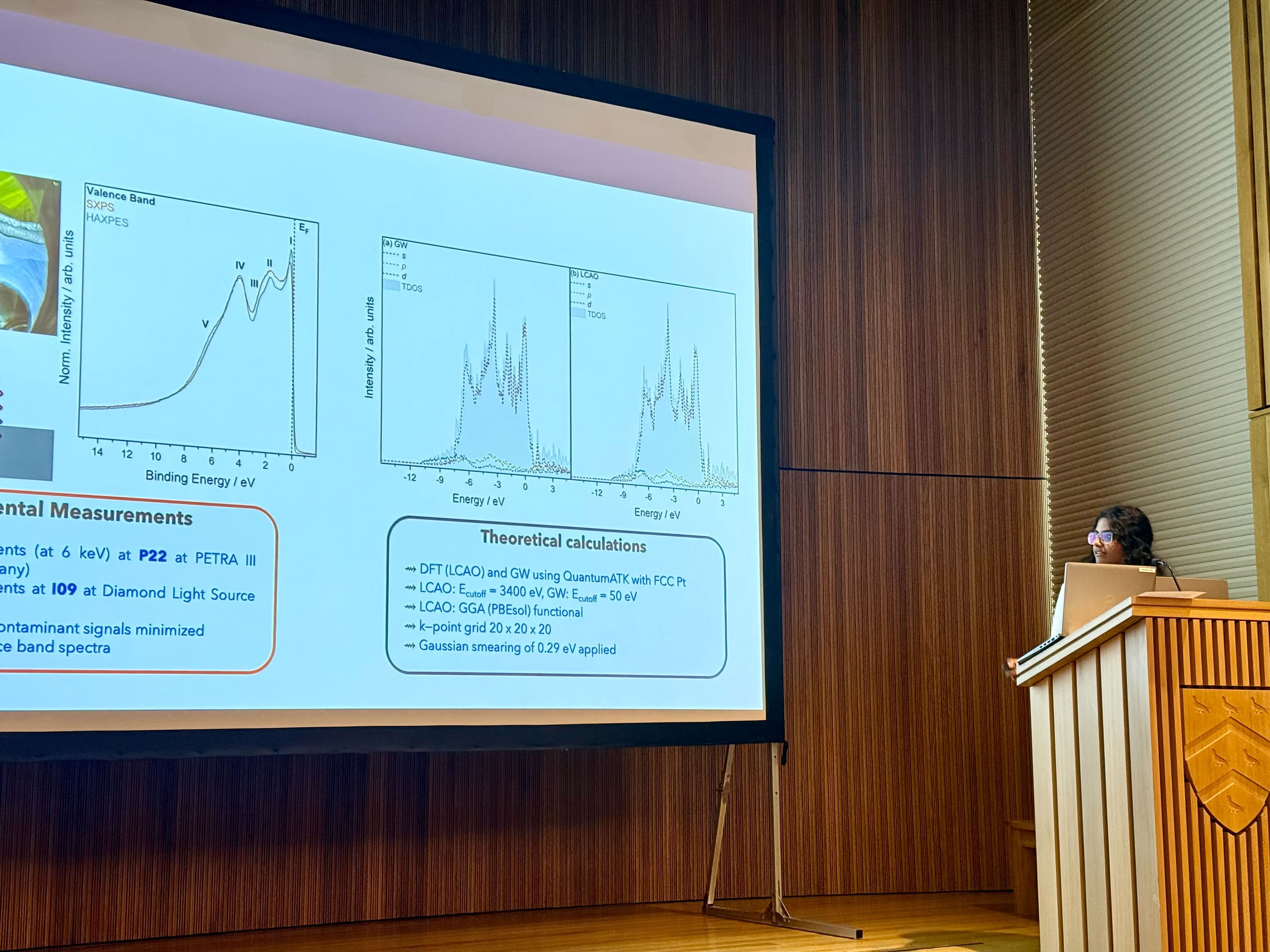
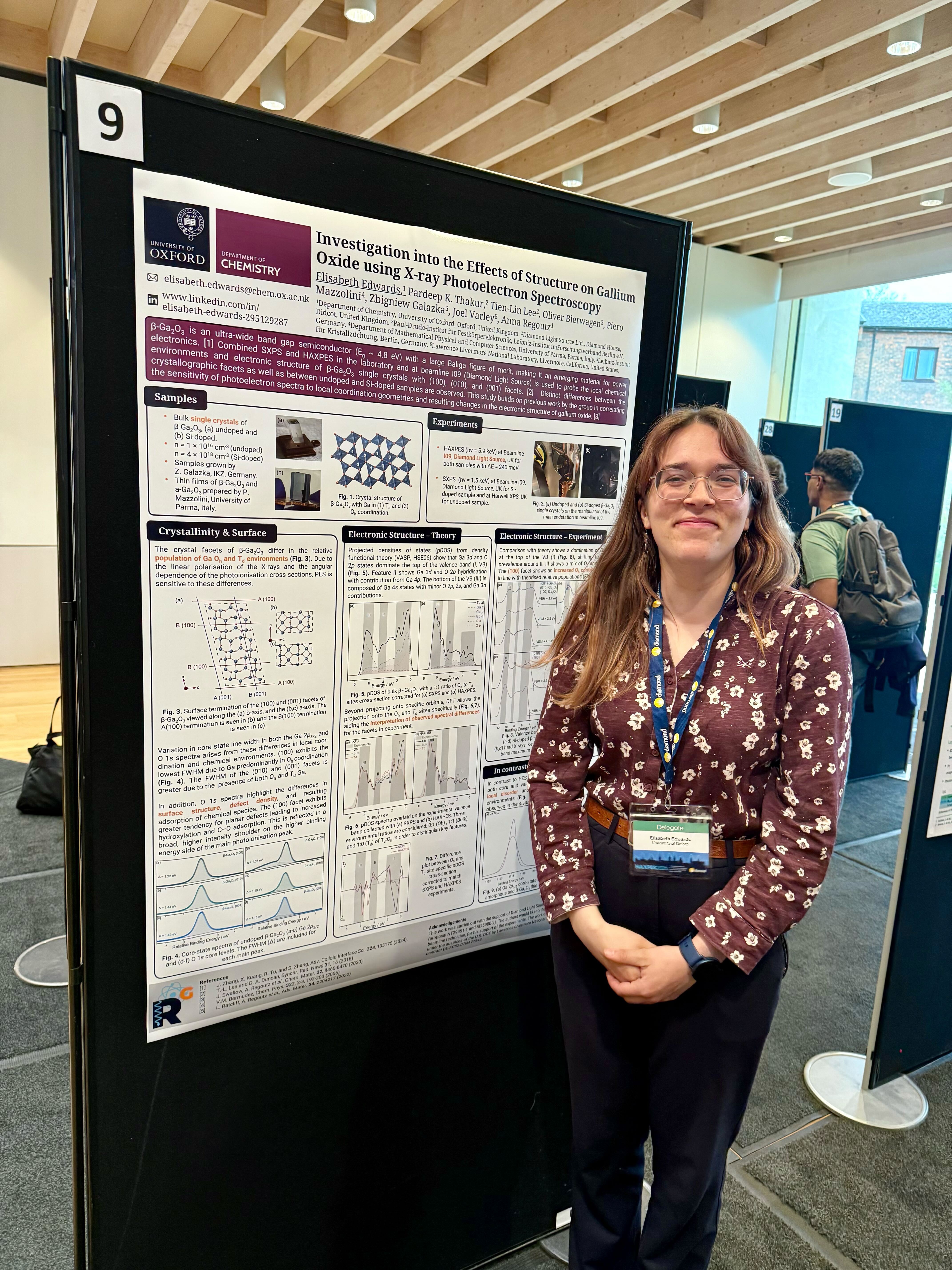
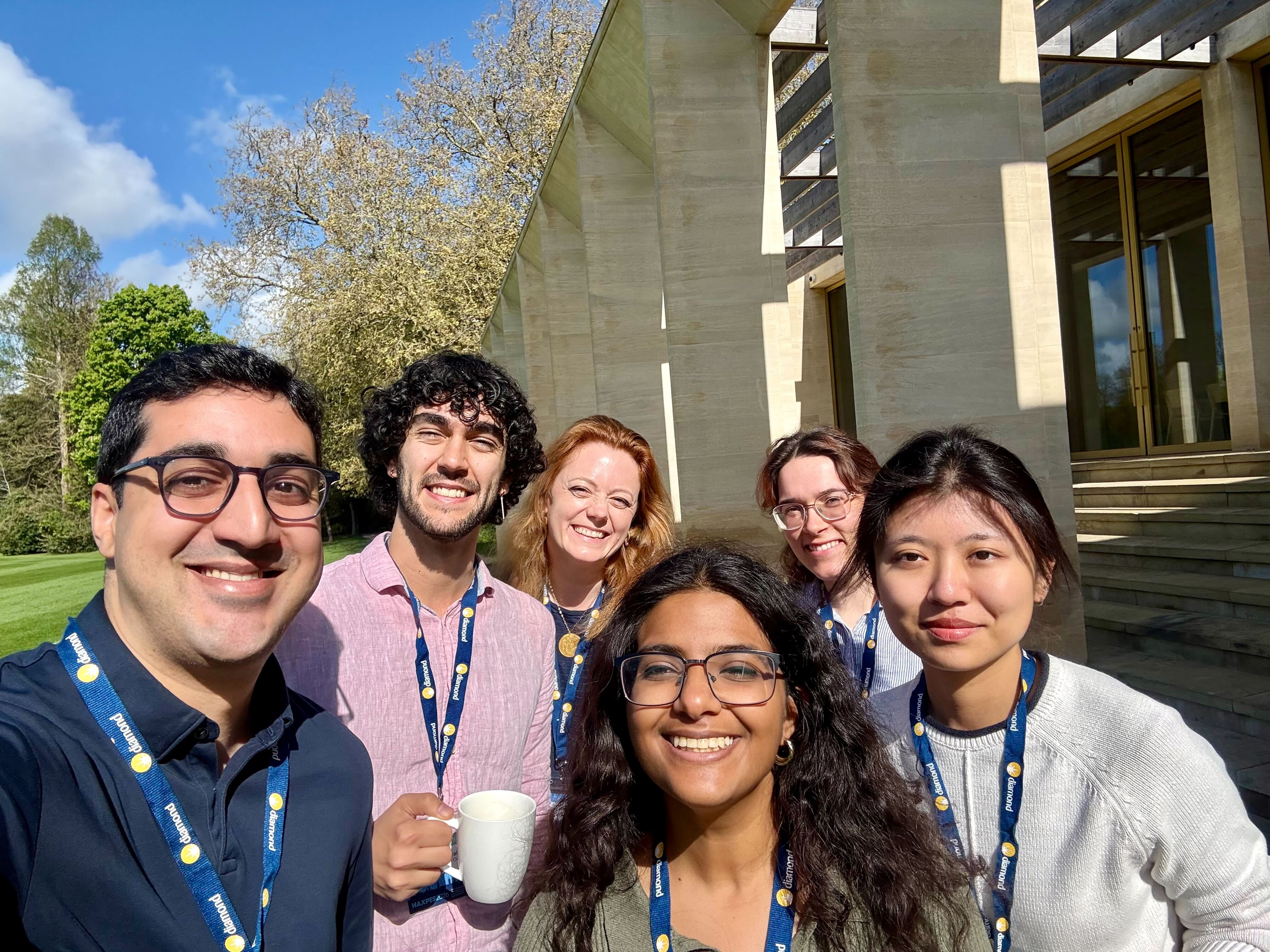
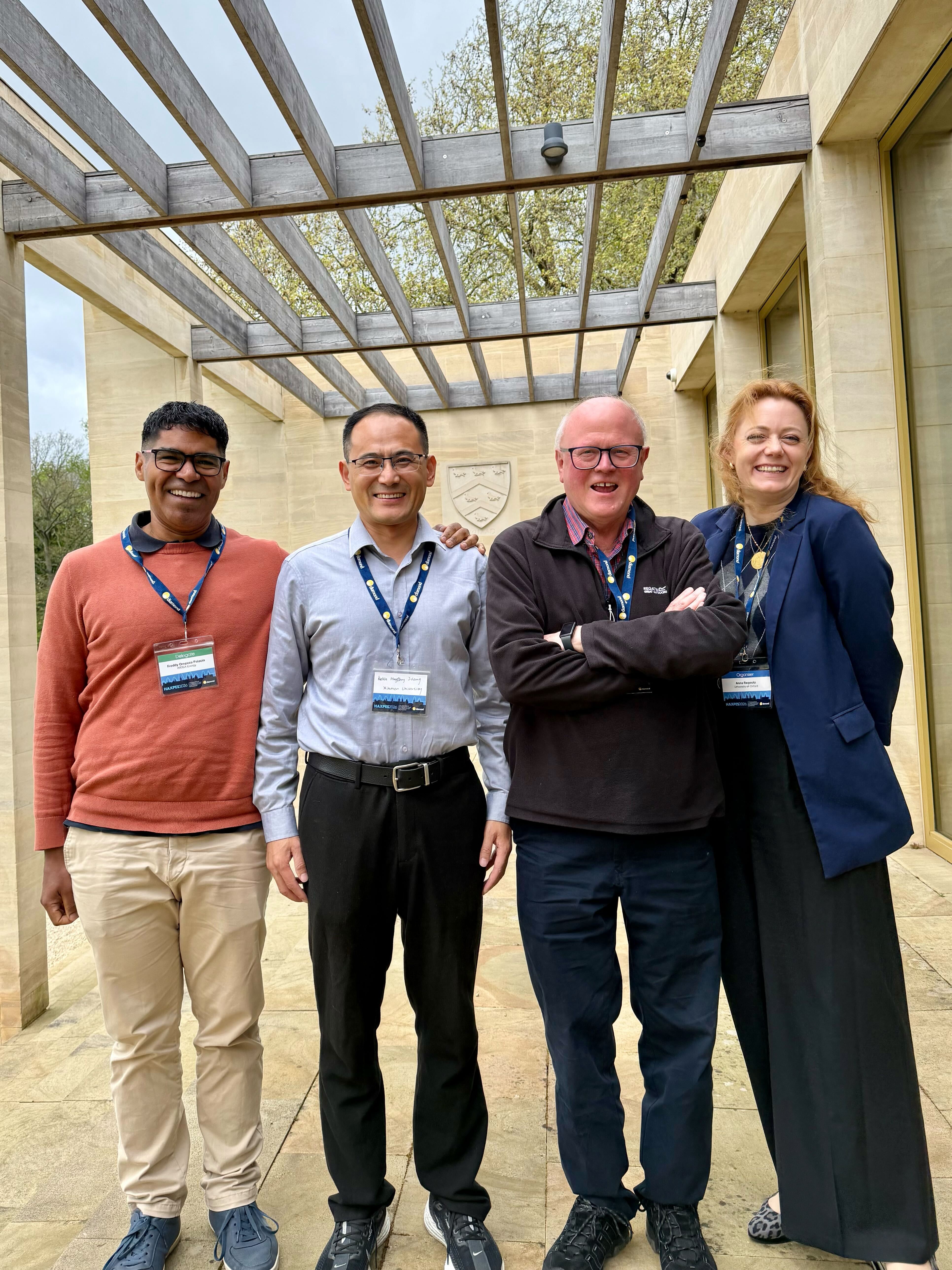
From the 13th to the 17th of April the 11th International Conference on Hard X-ray Photoelectron Spectroscopy (HAXPES 2026) took place at Worcester College in Oxford. Anna was Co-Chair of the conference together with Tien-Lin Lee from Diamond Light Source. The group had a strong representation at the meeting, with Ann giving a talk on her amino acid work, Prajna presenting her platinum metal work, Curran sharing his career path to date, and Elisabeth giving her first ever poster presentation on her Part II work on gallium oxide. Nick also attended (simply to learn and have fun).

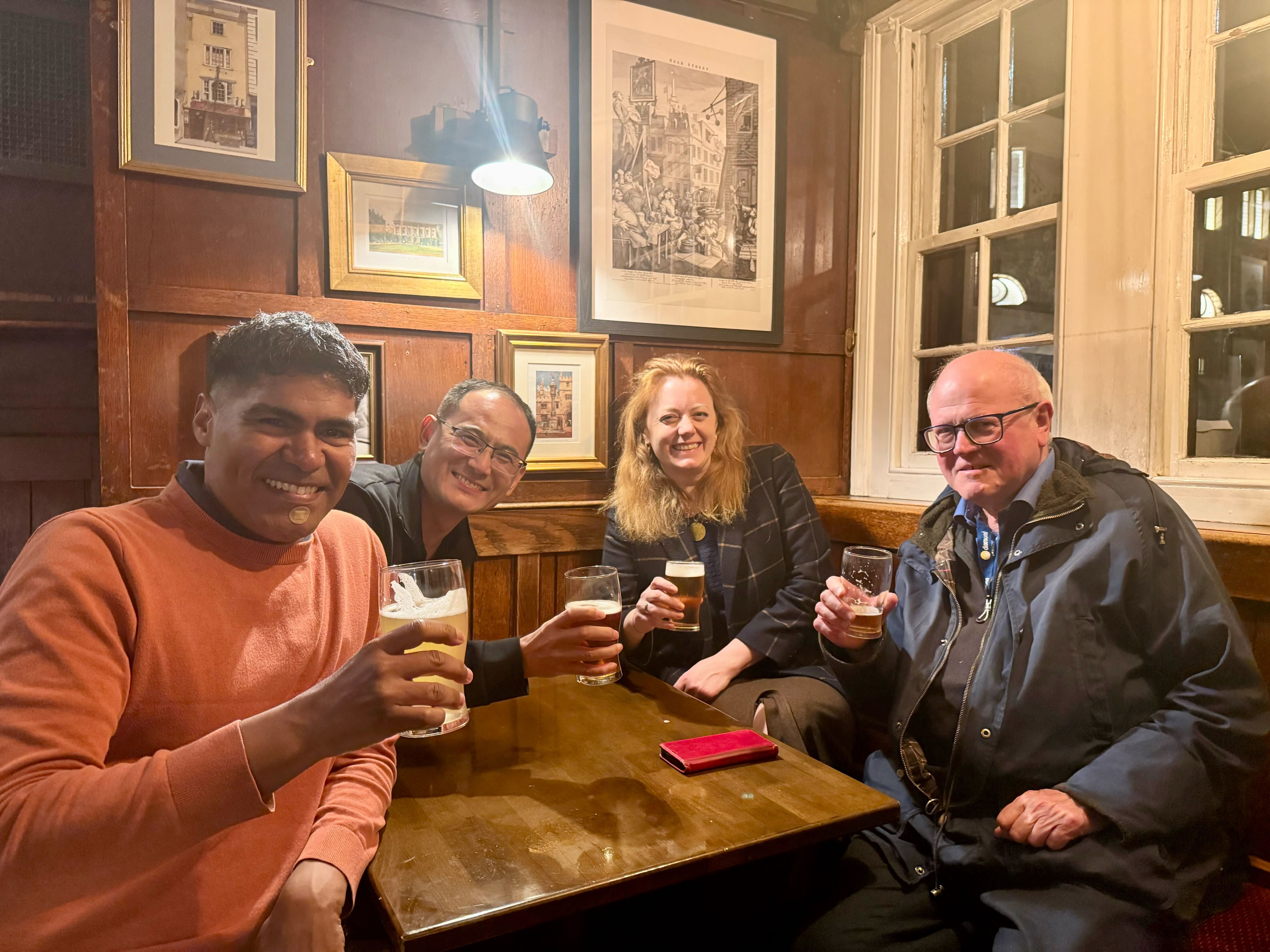
Besides many brilliant presentations from the group we also had a good time networking and catching up with old friends and new HAXPES enthusiasts. Anna was particularly happy that a mini-reunion of the Egdell group took place with Russ, Hongliang and Freddy returning to Oxford for the meeting.

Finally, at the meeting of the international advisory board meeting during the conference, Anna was elected as chair for the IAB taking over from Marc Simon.


New adventures in palladium hydride

Palladium hydride is the model system for studying how hydrogen interacts with a metal host. Already in 1869, Thomas Graham, then Master of the Mint, published work showing that palladium was able to absorb large quantities of hydrogen. Yet, as with all hydrides, it has been difficult to directly probe its bulk electronic structure and chemical bonding.

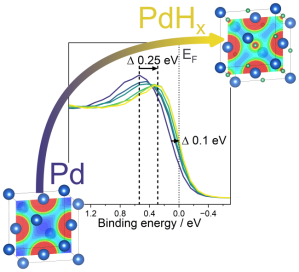
Following from our work on yttrium and titanium metal hydride, we have now published work focusing on PdH. A key difference between Ti/Y hydride and Pd hydride is that Ti and Y form stable hydrides without external hydrogen pressure, whilst Pd does not, i.e. it needs active external hydrogen pressure to retain the hydrogen. Therefore, we had to change strategy switching from using ultra-high vacuum based hard X-ray photoelectron spectroscopy (HAXPES) to ambient-pressure HAXPES (AP-HAXPES). AP-HAXPES enabled us to measure the incorporation of hydrogen in Pd under 200 mbar of active hydrogen pressure at varying temperature. The use of hard X-rays not only provides improved probing depth into the solid, but allows the higher local hydrogen pressures necessary to observe the hydride formation. Combined with structural characterisation and density functional theory calculations we were able to explore the changes induced by the hydrogen incorporation in-situ and correlate this with the enthalpy of formation of the hydride.

The study was a team effort with friends and colleagues contributing their expertise. The HAXPES experiments for both published stories were conducted on beamline P22 at PETRA III (DESY), which has multiple end-stations enabling state-of-the-art studies supported by a fantastic local beamline team led by Dr Christoph Schlueter. Dr Lars Bannenberg and team contributed the samples and their extensive expertise in metal hydrides and their structural characterisation. Dr Laura Ratcliff was in charge of the theoretical efforts.


Mid-term meeting for MSCA BETTERXPS project

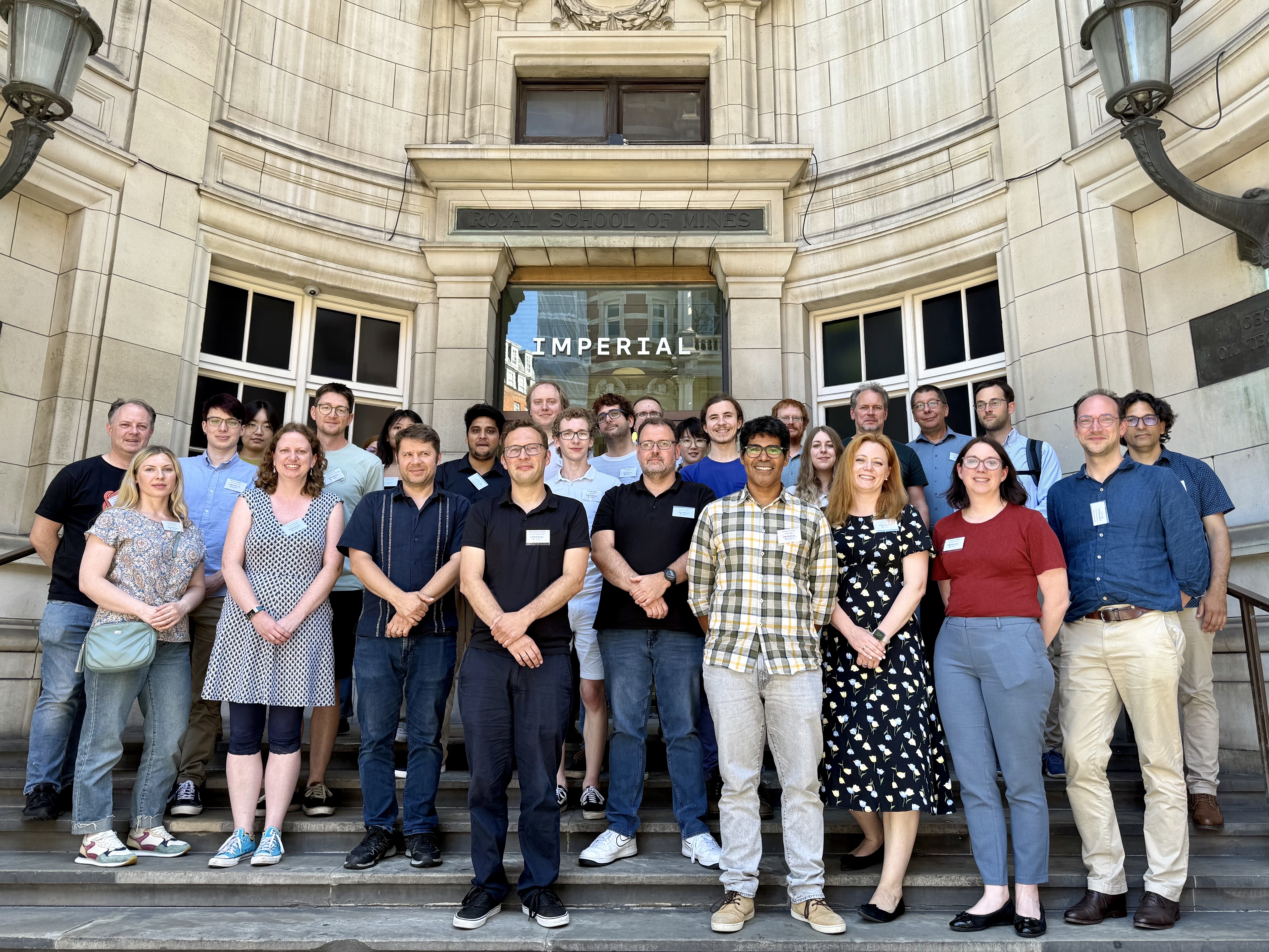
On the 30th June and 1st of July the mid-term meeting of the Marie Skłodowska-Curie Actions Staff Exchanges project BETTERXPS was held at Imperial College, London, UK. We are a proud member of the consortium, which aims to enable and encourage the more widespread use of computational methods in the interpretation of experimental XPS spectra.

Day 1 of the meeting was a scientific symposium covering both theoretical and experimental aspects of photoelectron spectroscopy from the partner academic and research institutions, our industrial partners ScientaOmicron and SPECS, as well as external invited speakers, including Dr Laura Ratcliff from the University of Bristol and Dr Dorothea Golze from TU Dresden. It was also great to see many colleagues from the UK PES community who could attend the day and contribute to the discussions.

Participants of the Scientific Meeting on Day 1 of the mid-term review at Imperial College


How to mitigate radiation damage? Exploring the dark side

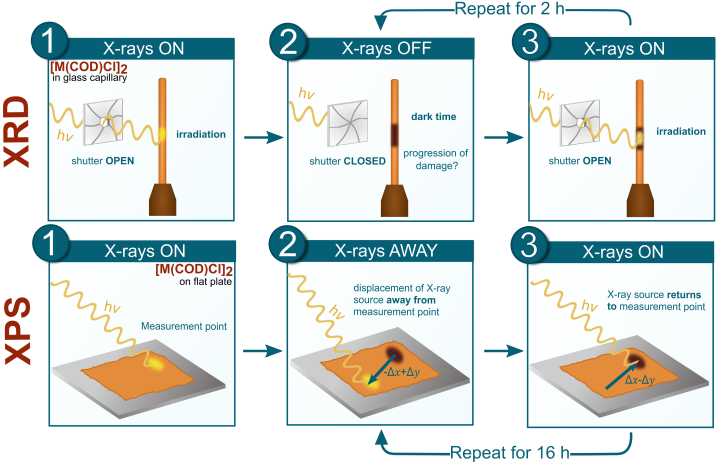
Investigating discontinuous X-ray irradiation as a damage mitigation strategy for [M(COD)Cl]2 catalysts
N. K. Fernando, C. A. Murray, A. L. Thompson, K. Milton, A. B. Cairns, and A. Regoutz, Physical Chemistry Chemical Physics, 27, 9417, 2025.

Radiation-induced changes have become an aspect of everyday life for many of us who use X-ray based techniques. With the ever increasing photon flux and ever decreasing beam footprints of laboratory and synchrotron systems radiation damage is becoming an increasing challenge for material characterisation using techniques such as X-ray spectroscopy and diffraction.

In our most recent exploration into this topic, led by Dr Nathalie Fernando, we explored a possible mitigation strategy, where short, X-ray-free “dark” periods are introduced in-between measurement windows. However, it is unclear whether this strategy helps to minimises radiation-induced damage or, in actuality, promotes it through a phenomenon called “dark progression”, i.e. the increase or progression of radiation damage that occurs after the X-ray beam is turned off. This work is now published in the RSC journal Physical Chemistry Chemical Physics.


Laying the groundwork for optoelectronic devices – the influence of stabiliser concentration on the formation of In2O3 thin films

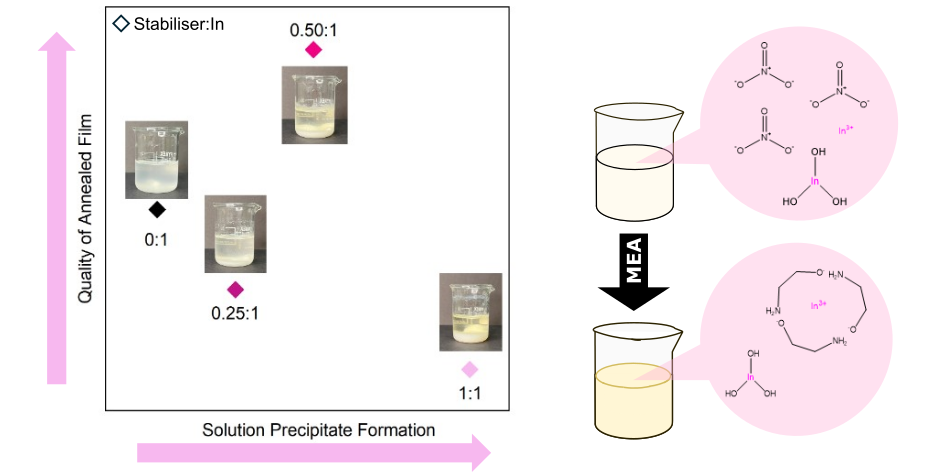
The influence of stabiliser concentration on the formation of In2O3 thin films
A. A. Riaz, C. Kalha, M. Basso, M. Furedi, and A. Regoutz, Journal of Materials Chemistry C, 13, 177, 2025.

In2O3 is the parent oxide semiconductor for many transparent conducting oxides owing to its comparatively wide band gap and reasonable conductivity. The ability to fabricate thin films of In2O3 utilising simple and cheap solution-processed methods such a sol-gel has made it appealing for applications in displays and solar cells. The use of stabilisers in sol-gel synthesis is prevalent in current research to maintain the solution stability over time and facilitate the formation of strong M–O–M bonds. However, understanding the fundamentals behind the chemistry, especially the effect of varying the stabiliser concentration, is essential and often overlooked.

In our paper published in RSC Journal of Materials Chemistry C and led by Aysha Riaz, we show the impact on the quality of In2O3 thin films when altering the concentration of monoethanolamine used as a stabiliser. Utilising a combination of characterisation techniques such as X-ray photoelectron spectroscopy, atomic force microscopy, and ellipsometry to probe the chemistry of the thin films and UV-visible and infrared spectroscopy to follow the solution chemistry, the optimum stabiliser ratio concentration was determined.

This is the first first author research paper of Aysha’s PhD, with hopefully more to follow! Curran Kalha and Maria Basso provided support and training and the ellipsometry data were collected with the help of Máté Füredi.


Connecting the dots in metal dihydrides

Over the past couple of years, we have worked hard on a (new to us) material family: transition metal dihydrides. These material are crucial for applications in hydrogen-related technologies, such as energy storage, hydrogen compression, and hydrogen sensing.

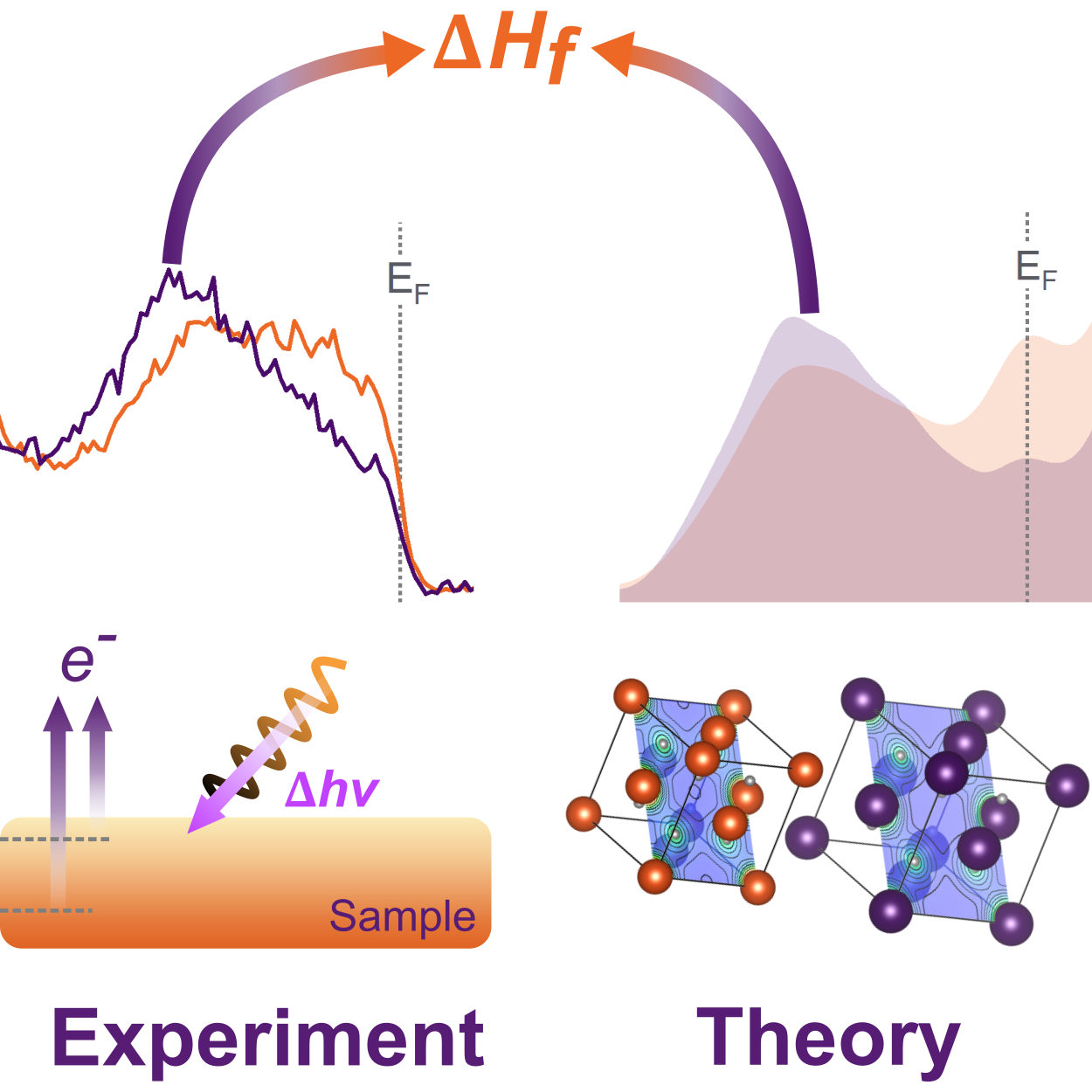
In a recently published work led by Curran, we developed a new analytical pathway to explore the relationship between chemical bonding, electronic structure and formation enthalpy of two prototypical metal dihydrides (yttrium and titanium dihydride).
Using hard X-ray photoelectron spectroscopy (HAXPES) at beamline P22 at PETRA III/DESY and by taking advantage of the tunability of synchrotron radiation, we created a non-destructive depth profile of the chemical states. We could provide a description of the bonding nature and the role of d versus sp contributions to states near the Fermi through combination of experimental valence-band spectra and insights from density functional theory (DFT) calculations, the latter was led by Dr Laura Ratcliff from the University of Bristol. Excitingly, we could determine the enthalpy of formation from both theoretical and experimental values of the energy position of metal s-band features close to the Fermi energy.

We were extra excited to see our work being highlighted by the National Research Council of Italy in a recent press release.


Work selected as Diamond Science Highlight

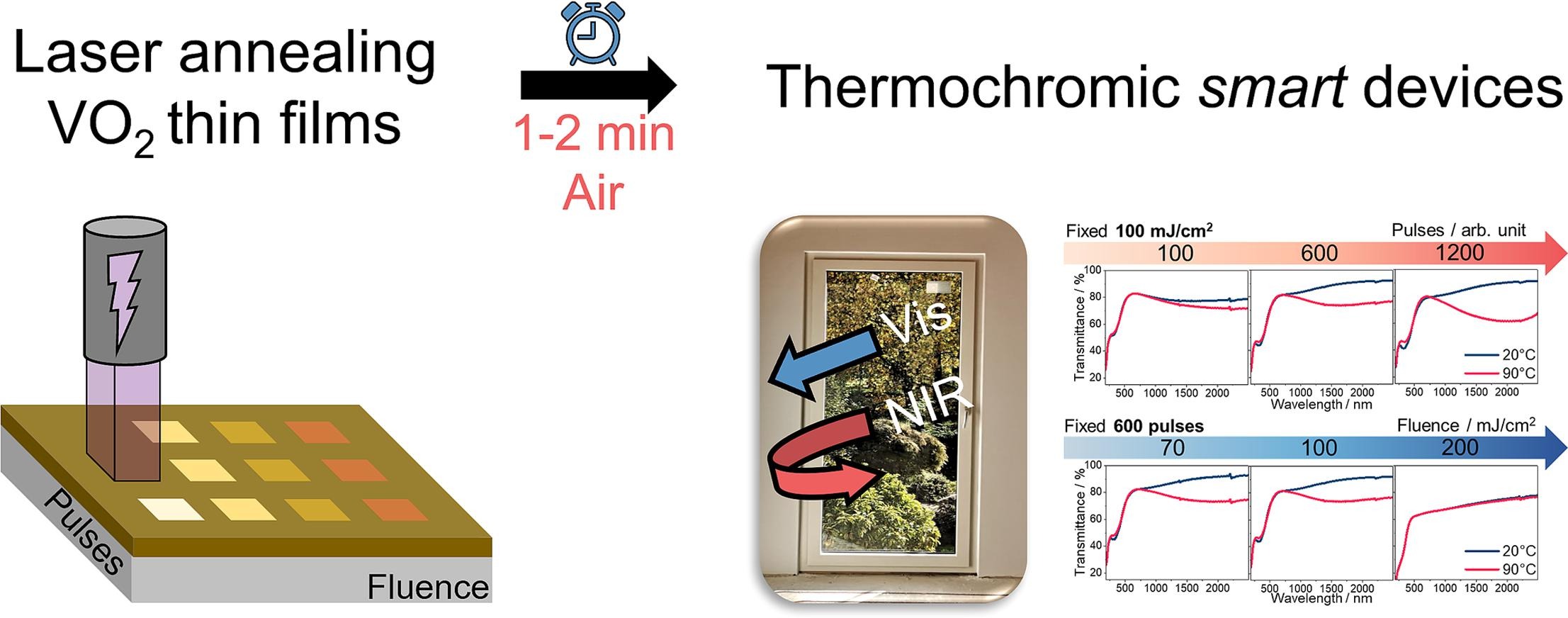
A study led by Maria Basso, a PhD student at the University of Padova, Italy, who visited the group for six months in 2022, has been selected as a Science Highlight by Diamond Light Source. Maria spent her time in the group working on developing a sol-gel dip-coating approach to vanadium dioxide films and their characterisation with a number of techniques, including laboratory and synchrotron-based X-ray photoelectron spectroscopy. During her stay with us, she was able to join one of our beamtimes at beamline I09 at Diamond and we found a bit of spare time to run some of the samples made at UCL. This provided complementary information to the more surface-sensitive data collected in our system at UCL. You can read the full manuscript here.


Collaboration with Jerry Heng’s Group

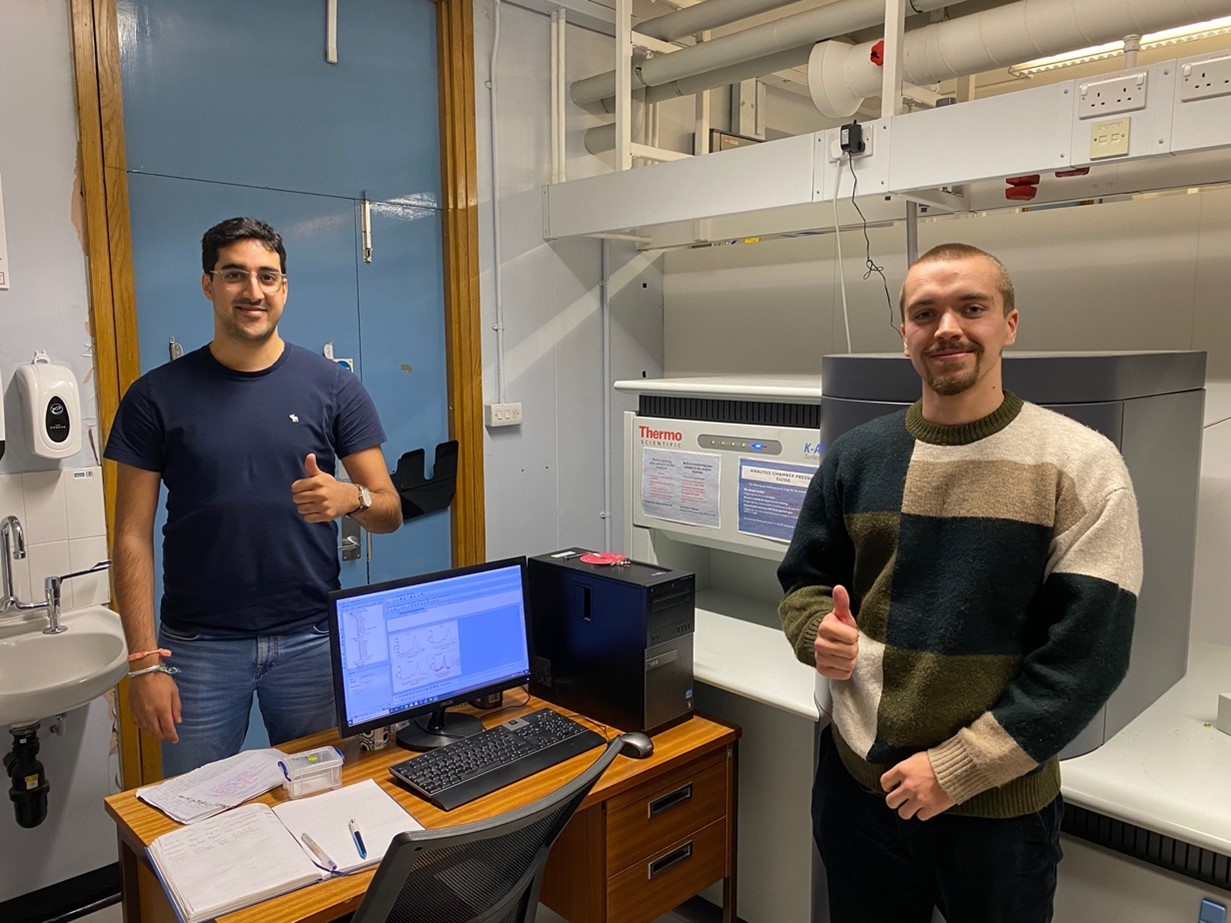
Curran welcomed PhD student Ethan Errington from Jerry Heng’s group (Imperial College London, Chemical Engineering Dep.) to the Department of Chemistry for some XPS experiments on their group’s latest samples. Jerry Heng’s group are interested in using XPS to better understand the surface chemistries of oil-in-water adsorbants. This marks the first collaboration between the groups, and we are thrilled to be providing our XPS expertise! Ethan and Curran first met each other 8 years ago when they both studied Chemical Engineering at the University of Leeds. They have both come a long way since their last collaboration which was designing a heat exchanger in their second year of their undergraduate degree.