Regoutz Group


How to mitigate radiation damage? Exploring the dark side

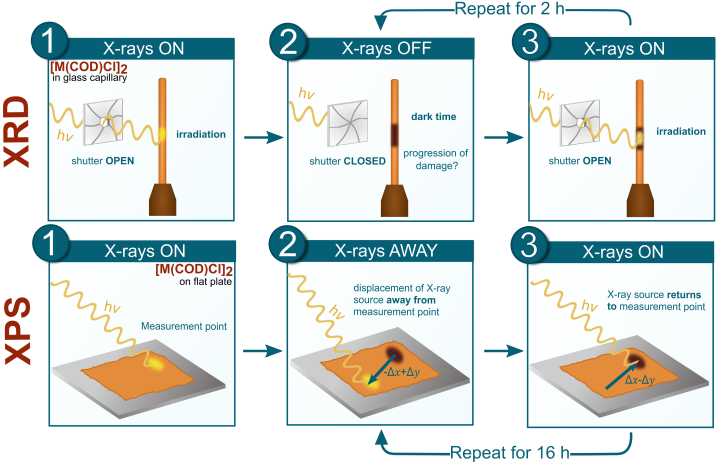
Investigating discontinuous X-ray irradiation as a damage mitigation strategy for [M(COD)Cl]2 catalysts
N. K. Fernando, C. A. Murray, A. L. Thompson, K. Milton, A. B. Cairns, and A. Regoutz, Physical Chemistry Chemical Physics, 27, 9417, 2025.

Radiation-induced changes have become an aspect of everyday life for many of us who use X-ray based techniques. With the ever increasing photon flux and ever decreasing beam footprints of laboratory and synchrotron systems radiation damage is becoming an increasing challenge for material characterisation using techniques such as X-ray spectroscopy and diffraction.

In our most recent exploration into this topic, led by Dr Nathalie Fernando, we explored a possible mitigation strategy, where short, X-ray-free “dark” periods are introduced in-between measurement windows. However, it is unclear whether this strategy helps to minimises radiation-induced damage or, in actuality, promotes it through a phenomenon called “dark progression”, i.e. the increase or progression of radiation damage that occurs after the X-ray beam is turned off. This work is now published in the RSC journal Physical Chemistry Chemical Physics.


Connecting the dots in metal dihydrides

Over the past couple of years, we have worked hard on a (new to us) material family: transition metal dihydrides. These material are crucial for applications in hydrogen-related technologies, such as energy storage, hydrogen compression, and hydrogen sensing.

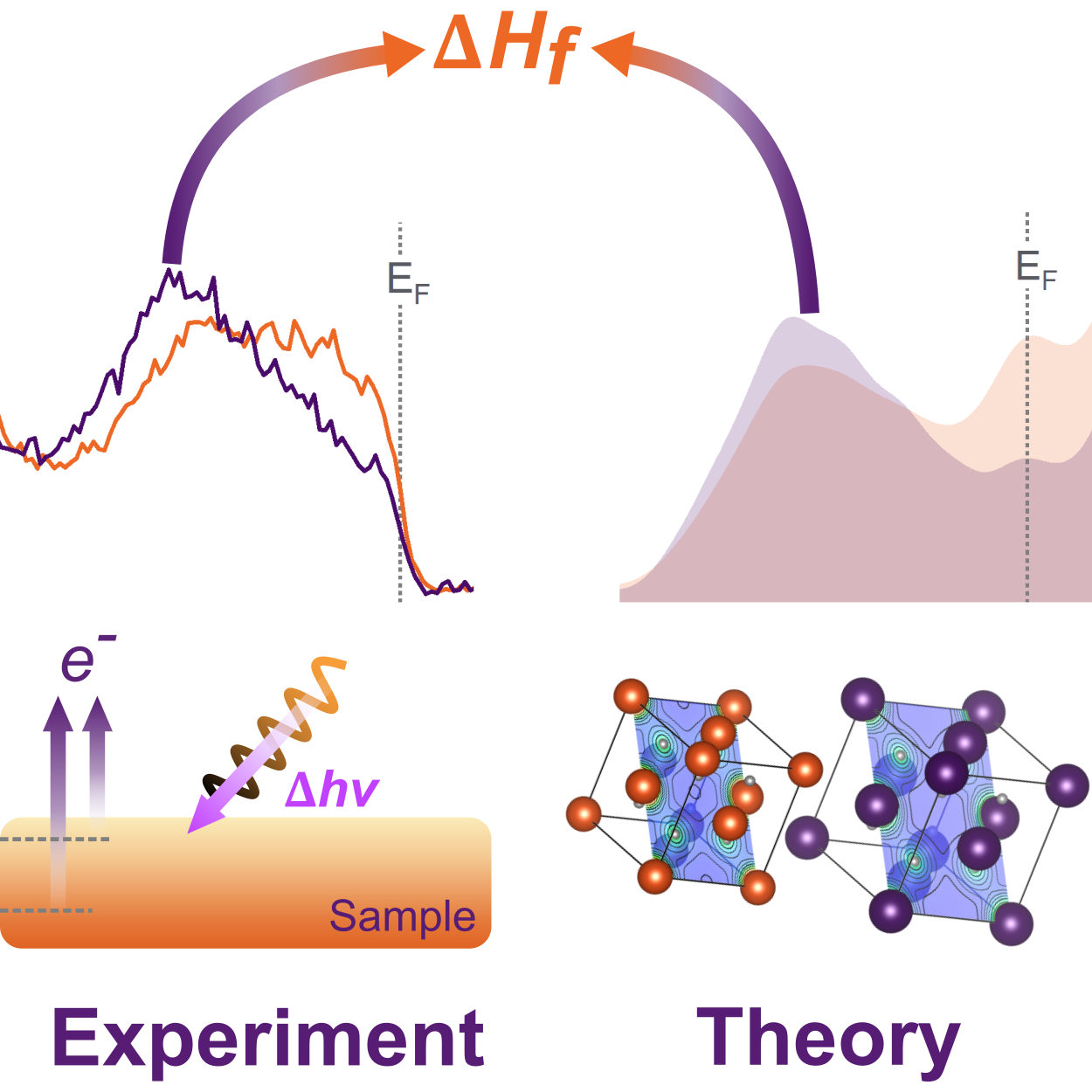
In a recently published work led by Curran, we developed a new analytical pathway to explore the relationship between chemical bonding, electronic structure and formation enthalpy of two prototypical metal dihydrides (yttrium and titanium dihydride).
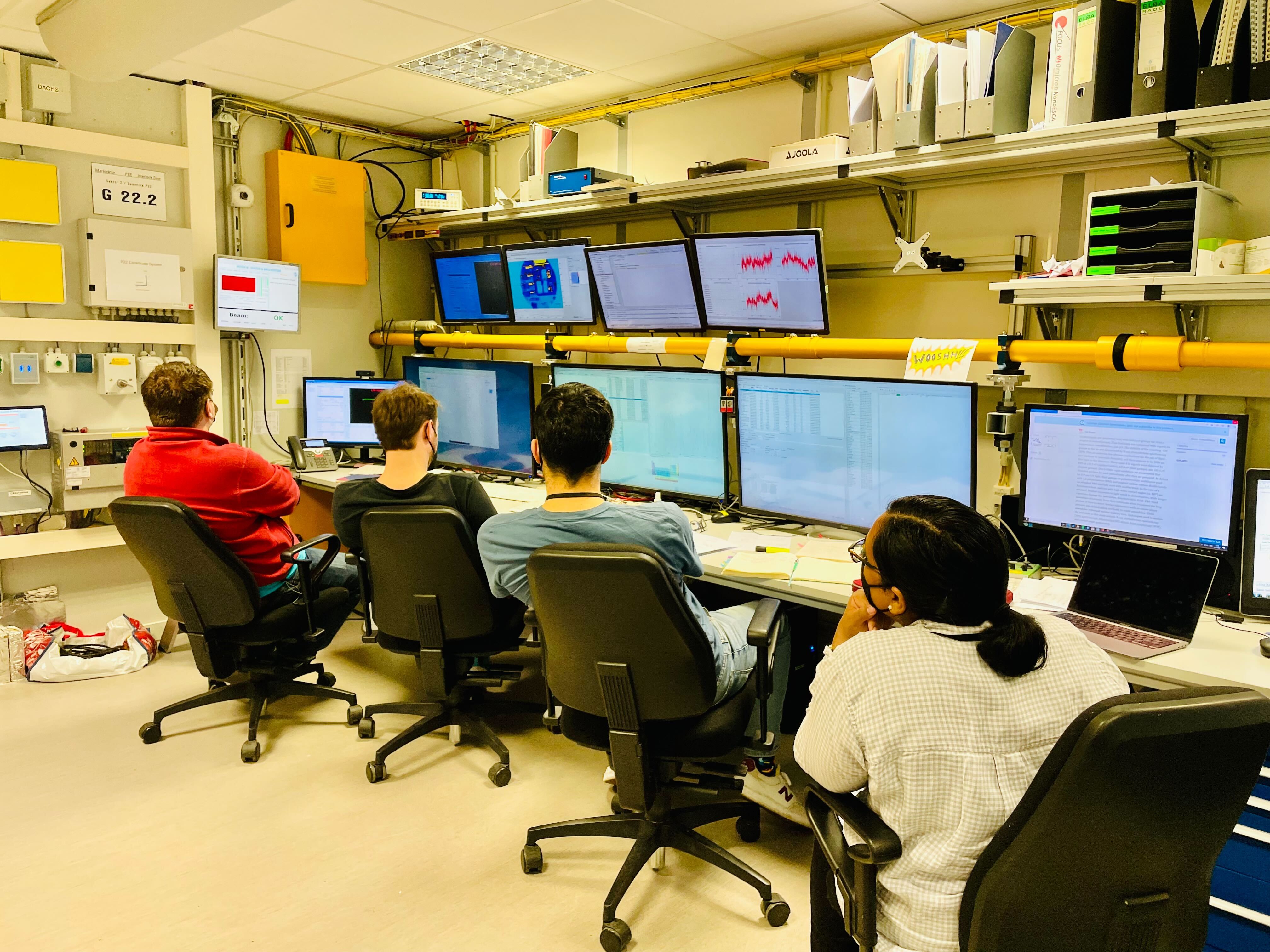
Using hard X-ray photoelectron spectroscopy (HAXPES) at beamline P22 at PETRA III/DESY and by taking advantage of the tunability of synchrotron radiation, we created a non-destructive depth profile of the chemical states. We could provide a description of the bonding nature and the role of d versus sp contributions to states near the Fermi through combination of experimental valence-band spectra and insights from density functional theory (DFT) calculations, the latter was led by Dr Laura Ratcliff from the University of Bristol. Excitingly, we could determine the enthalpy of formation from both theoretical and experimental values of the energy position of metal s-band features close to the Fermi energy.

We were extra excited to see our work being highlighted by the National Research Council of Italy in a recent press release.


Work selected as Diamond Science Highlight

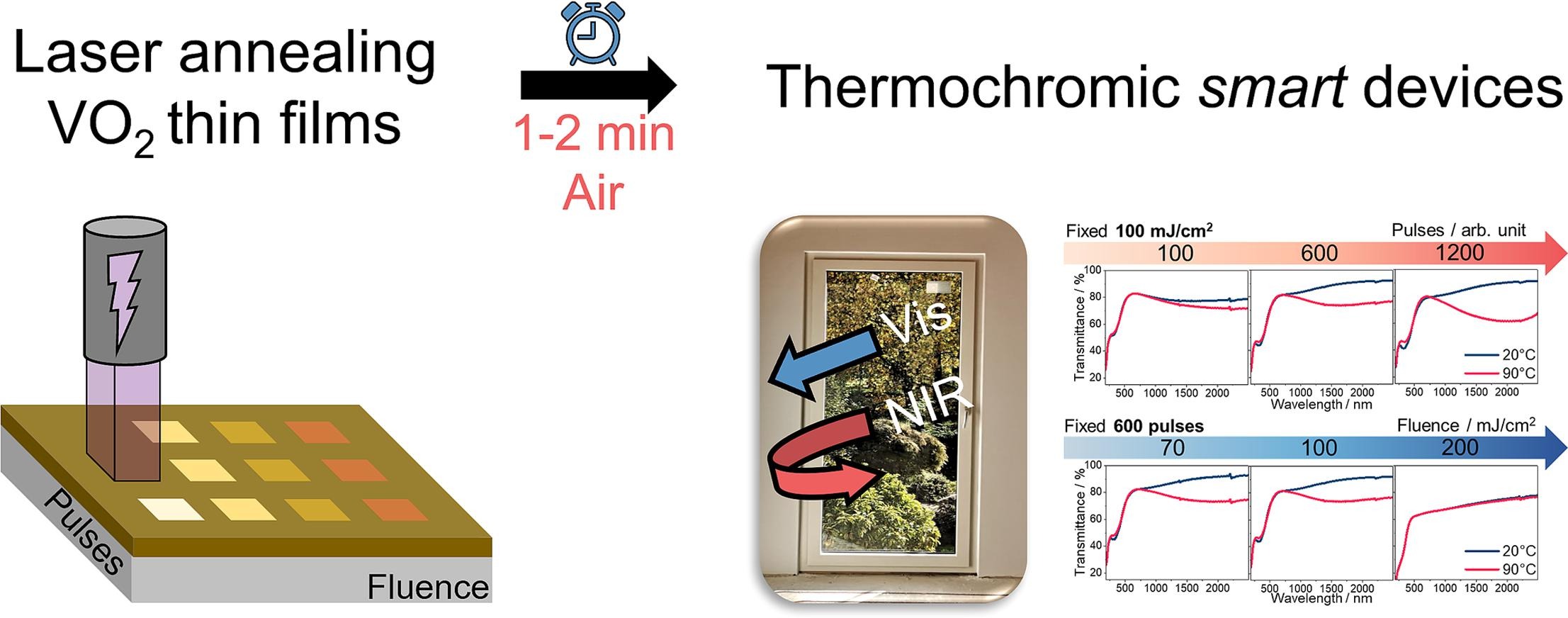
A study led by Maria Basso, a PhD student at the University of Padova, Italy, who visited the group for six months in 2022, has been selected as a Science Highlight by Diamond Light Source. Maria spent her time in the group working on developing a sol-gel dip-coating approach to vanadium dioxide films and their characterisation with a number of techniques, including laboratory and synchrotron-based X-ray photoelectron spectroscopy. During her stay with us, she was able to join one of our beamtimes at beamline I09 at Diamond and we found a bit of spare time to run some of the samples made at UCL. This provided complementary information to the more surface-sensitive data collected in our system at UCL. You can read the full manuscript here.


First beamtime of the academic year!

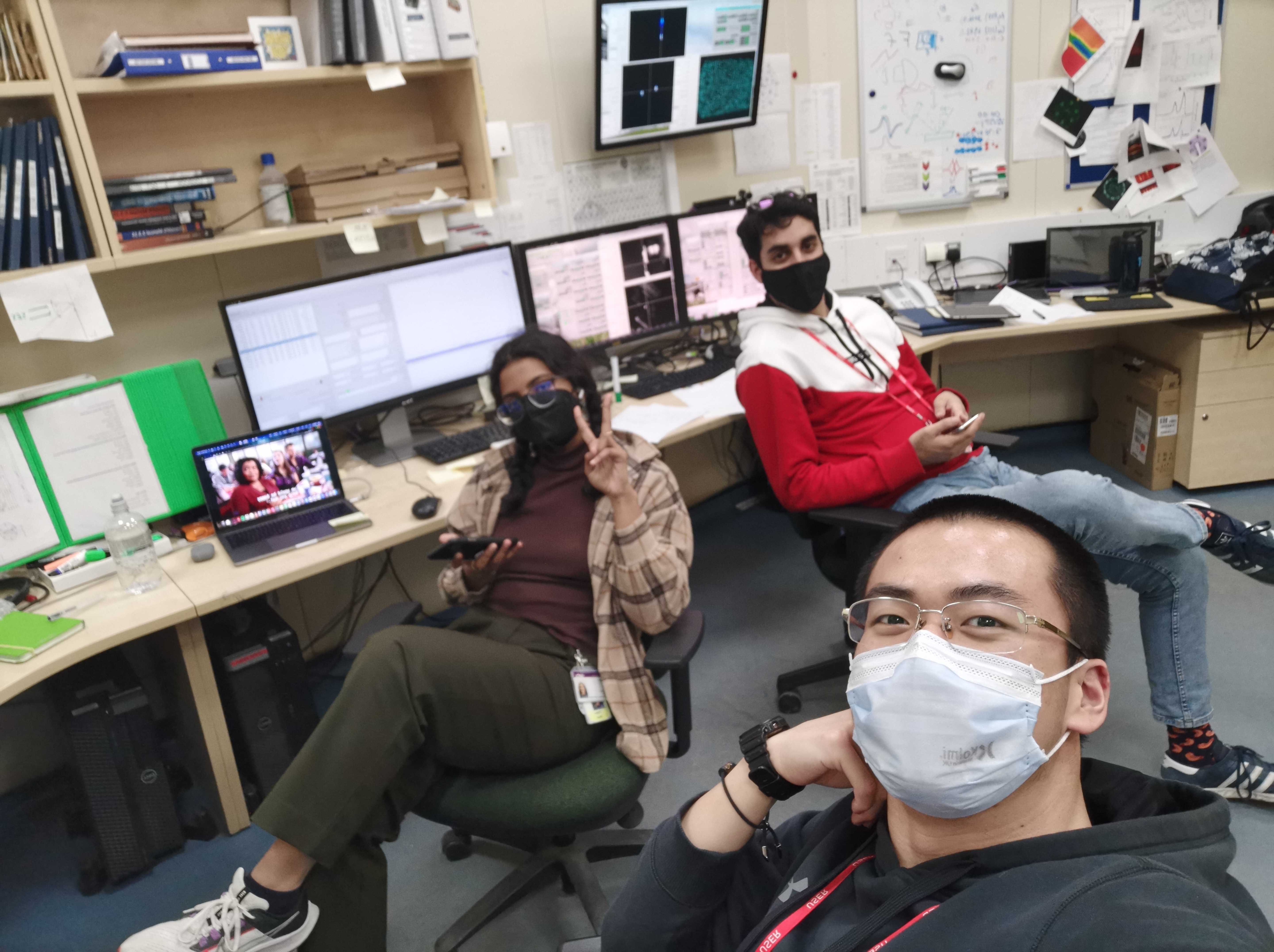
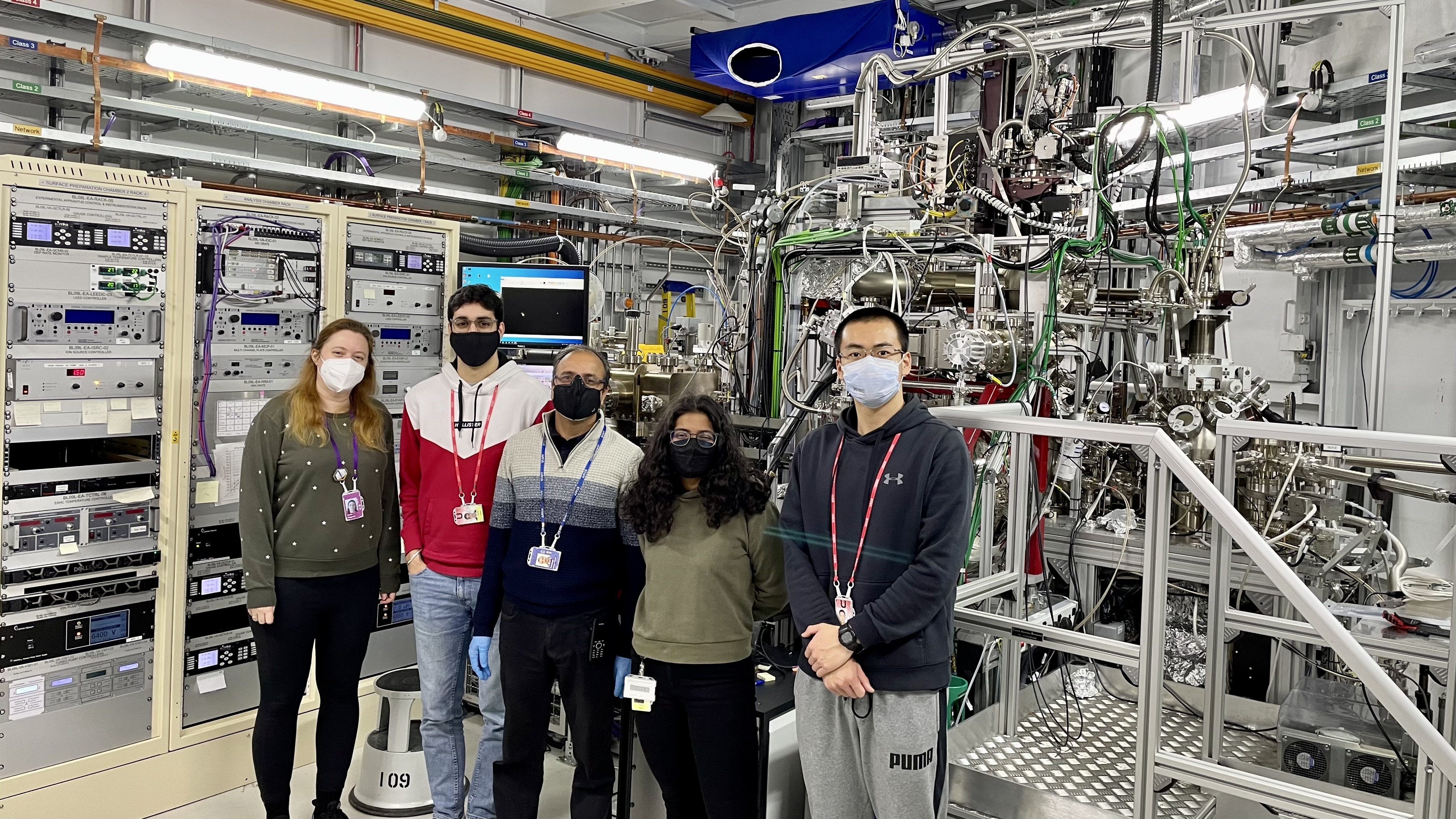
Curran and Aysha from the group were joined by Benjamin Moss from Imperial College London for four days of experiments at beamline I09 at the Diamond Light Source. They were able to measure several sets of MXene and MAX phase samples from our long-time collaborator Christina Birkel at Arizona State University. The measurements were performed with both soft and hard X-rays and will hopefully shed light on the surface and bulk characteristics of these novel materials.

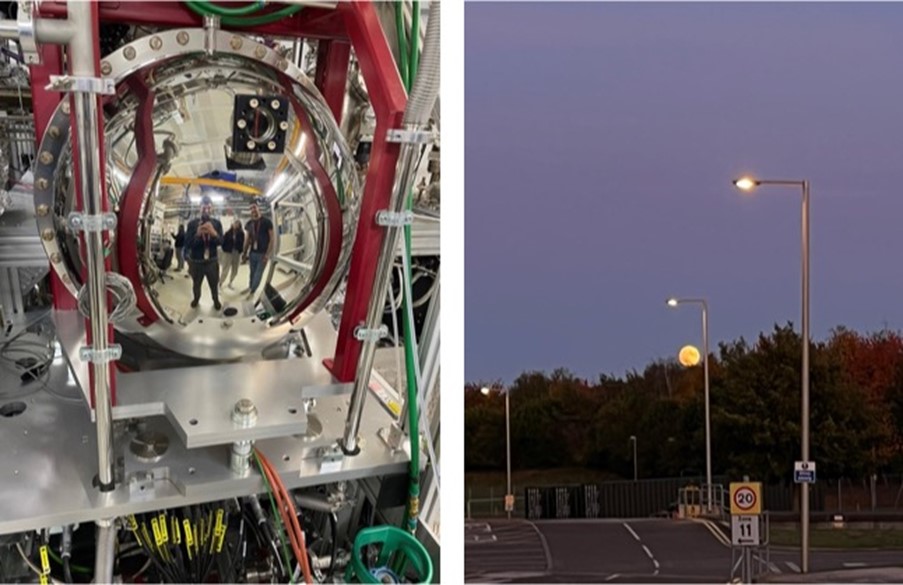
Benjamin also brought some exciting metal oxide samples with him, but they put up a fight and many hours were required to overcome charging issues! However, the team powered through and after many tests, they were able to collect a good set of data. The cherry on the top was the collection of a beautiful Ti 1s spectrum of the material. Aside from the success of the measurements one highlight was definitely the view of the moon on our second night as we stumbled back to the beam line after chocolate sponge cake and chocolate custard.


Getting to the bottom of TiW

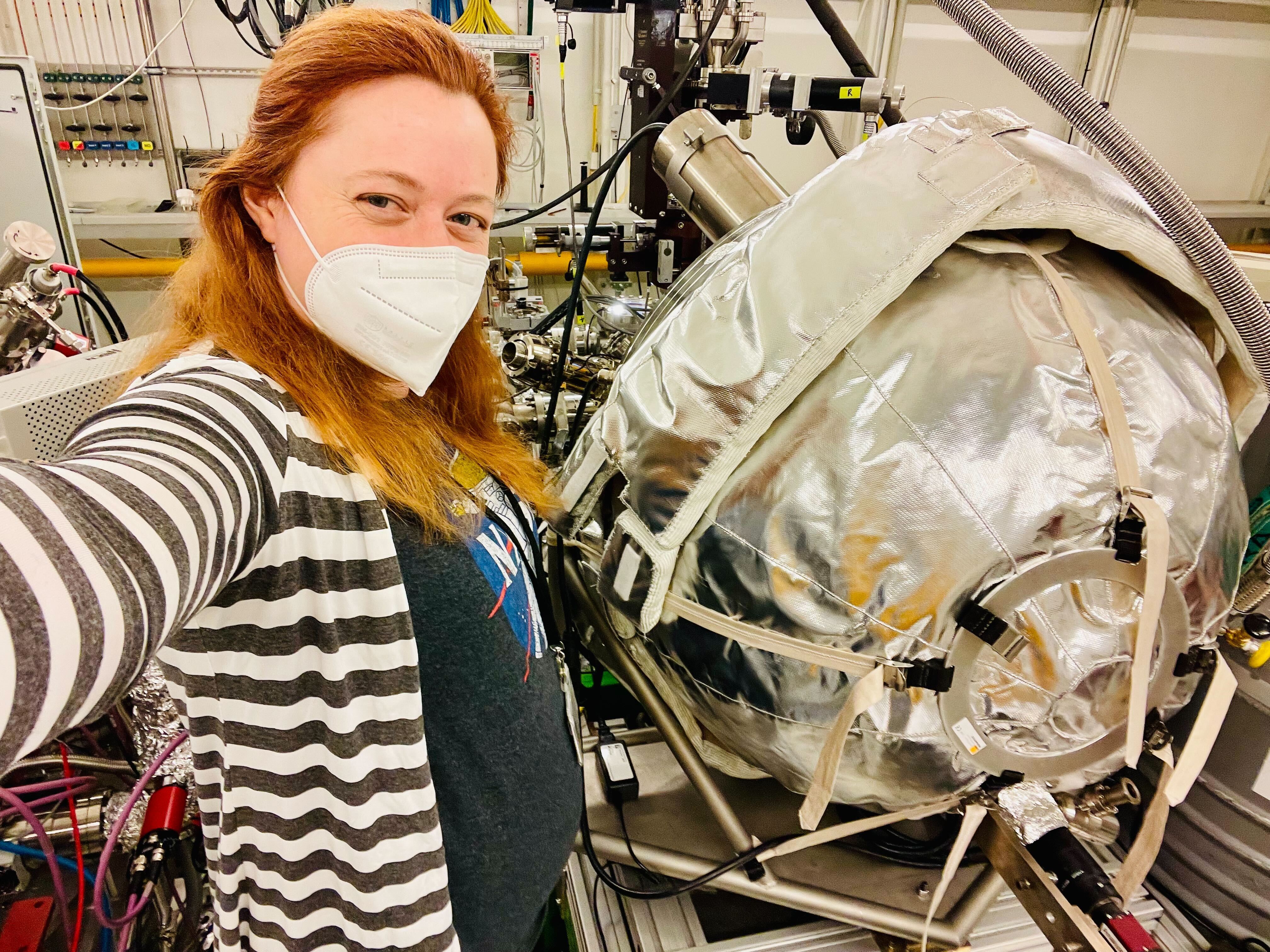
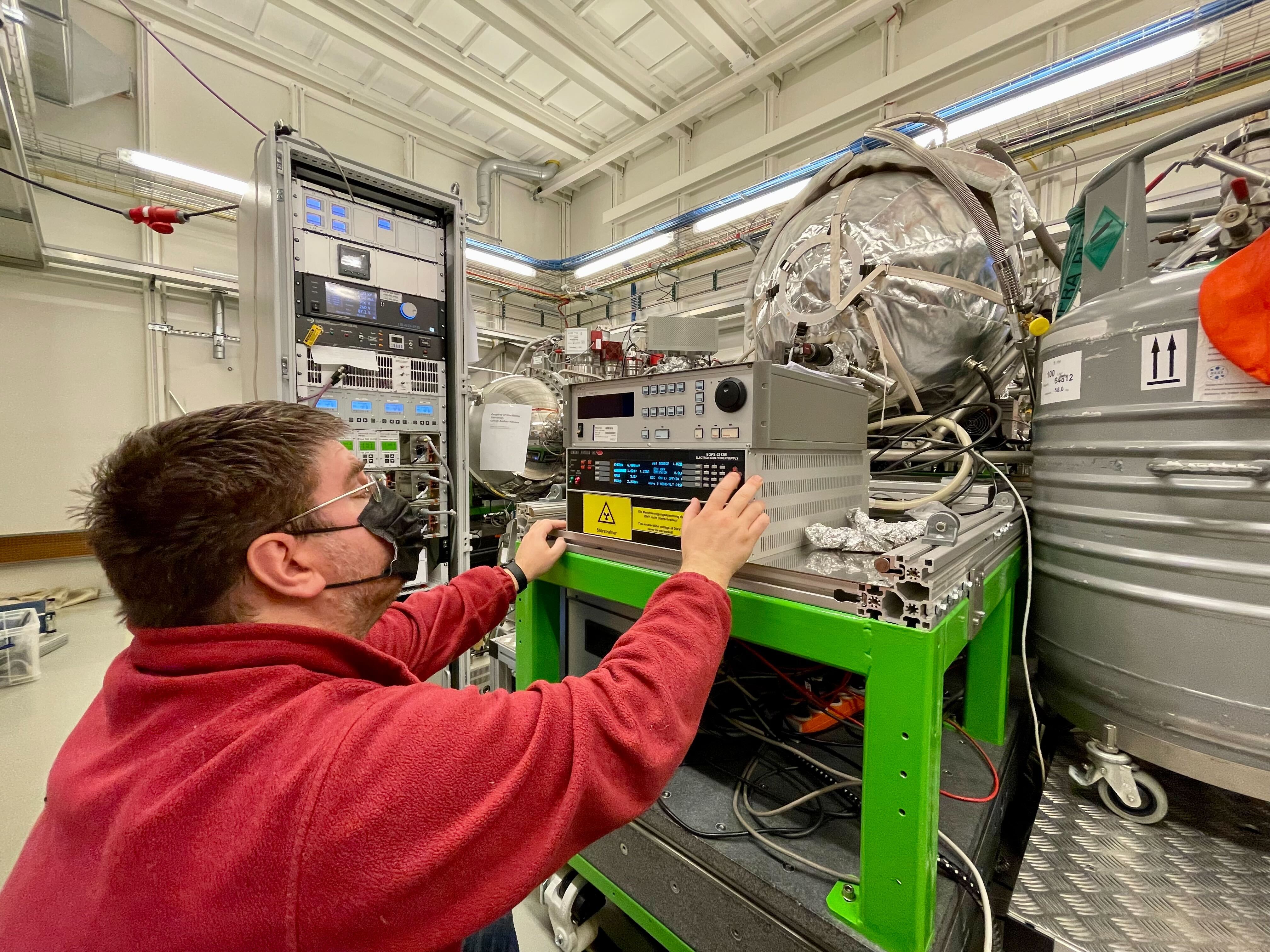
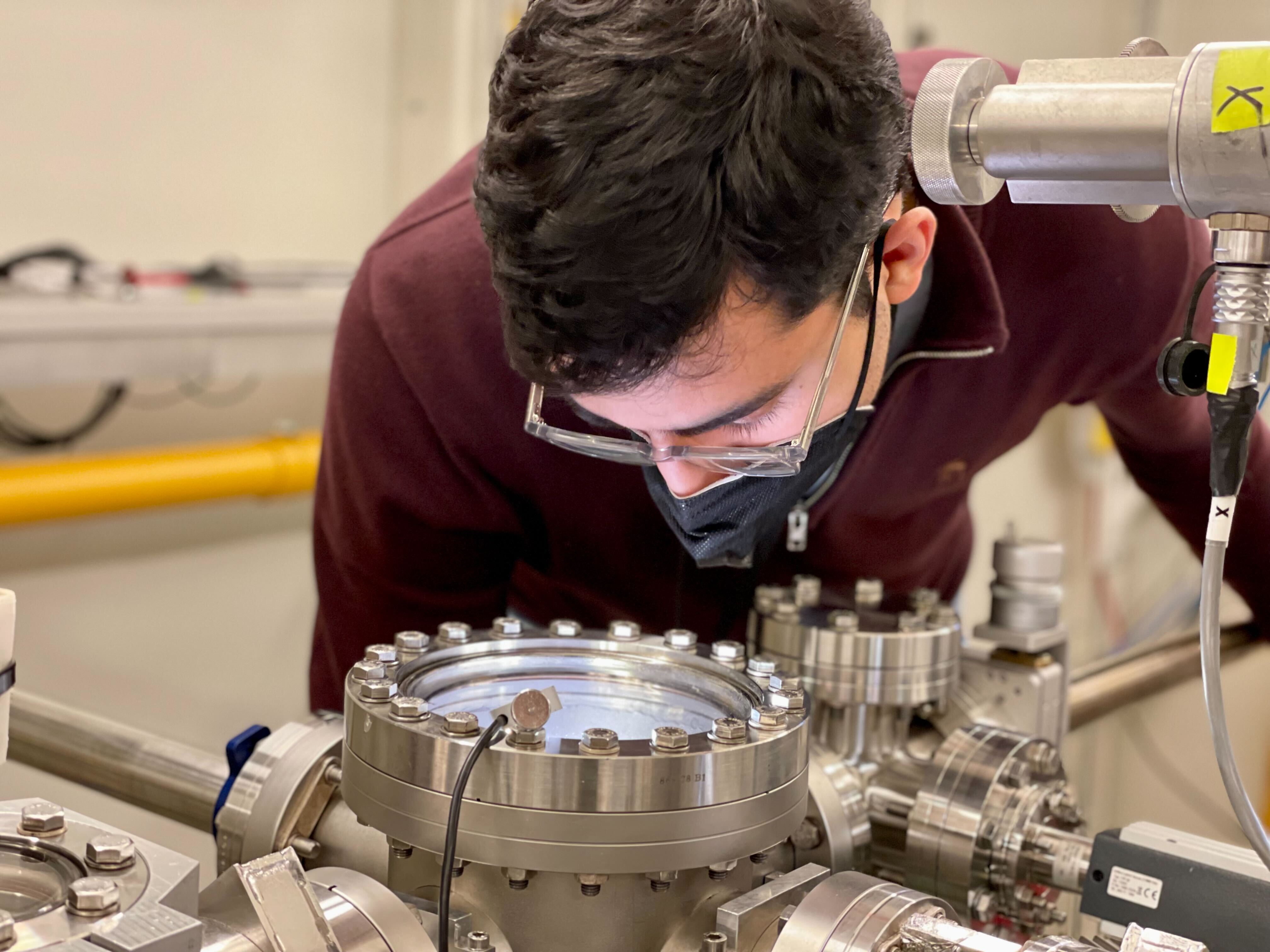
After spending a week at EMPA in Zurich, Switzerland, depositing high quality TiW thin films in February, Curran, Nathalie and Anna travelled to DESY, Hamburg, Germany, in the first week of March to collect HAXPES data on them. We were back at one of our favourite HAXPES beamlines, P22 at PETRA III, and the work was, as always, expertly supported by the local team of Dr Christoph Schlueter and Dr Andrei Hloskovsky.

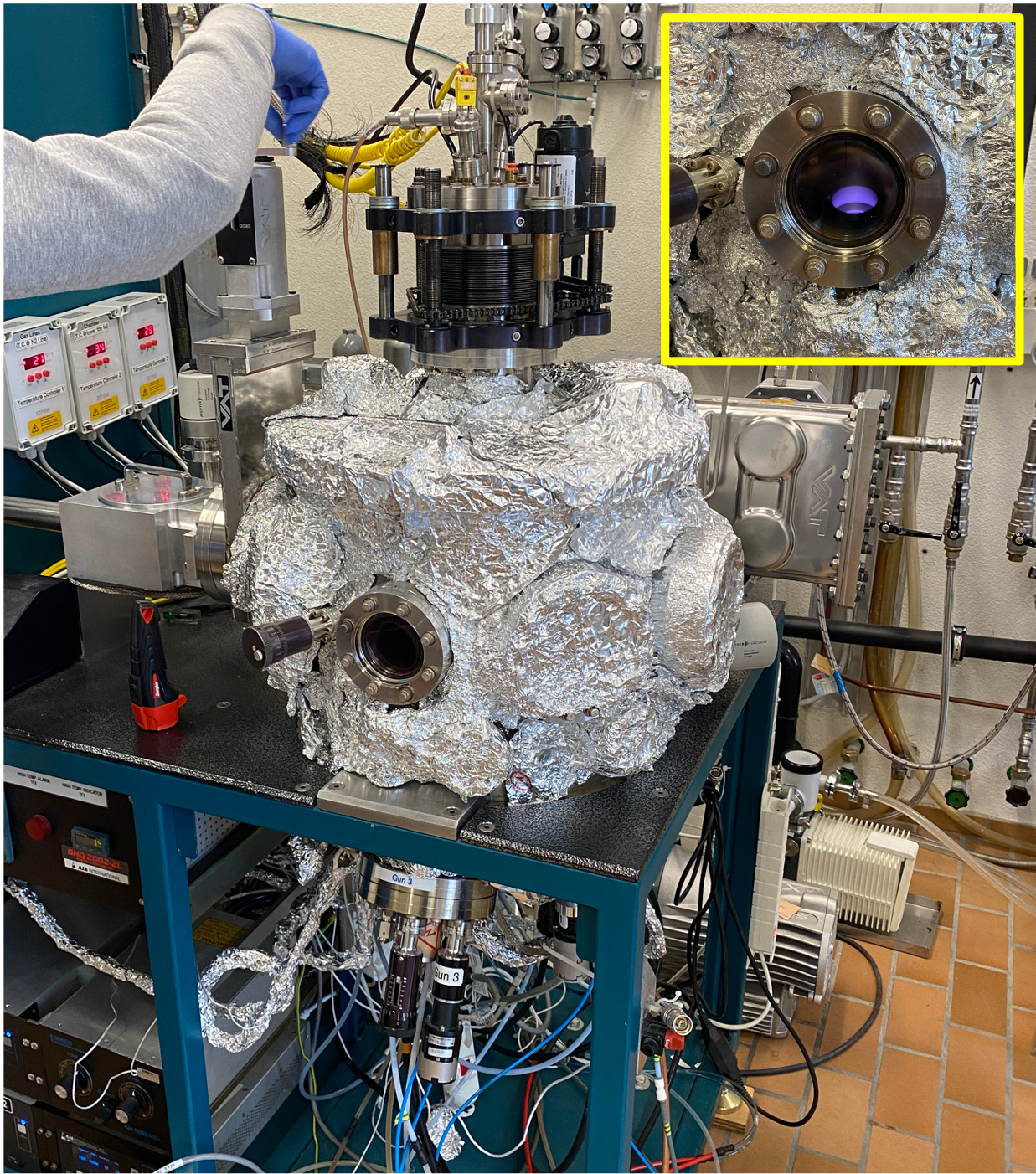
In order to ensure that the samples where in the best possible condition for measurement we needed to apply quite an involved level of logistics including vacuum sealing, glove box transferring, and in-situ sputtering. This enabled us to measure the films in their truly metallic state without interference from surface oxidation and contamination. Although HAXPES enables to probe the bulk of a sample, overlying surface oxides can significantly influence and perturb the HAXPES spectral quality. We both explored the influence of Ti/W composition on the electronic structure as well as a challenging experiment to try and probe the buried interface between TiW and the underlying SiO2/Si substructure. We also had time to explore the local offerings of cake and caffeinated beverages.


Making mixed metal systems

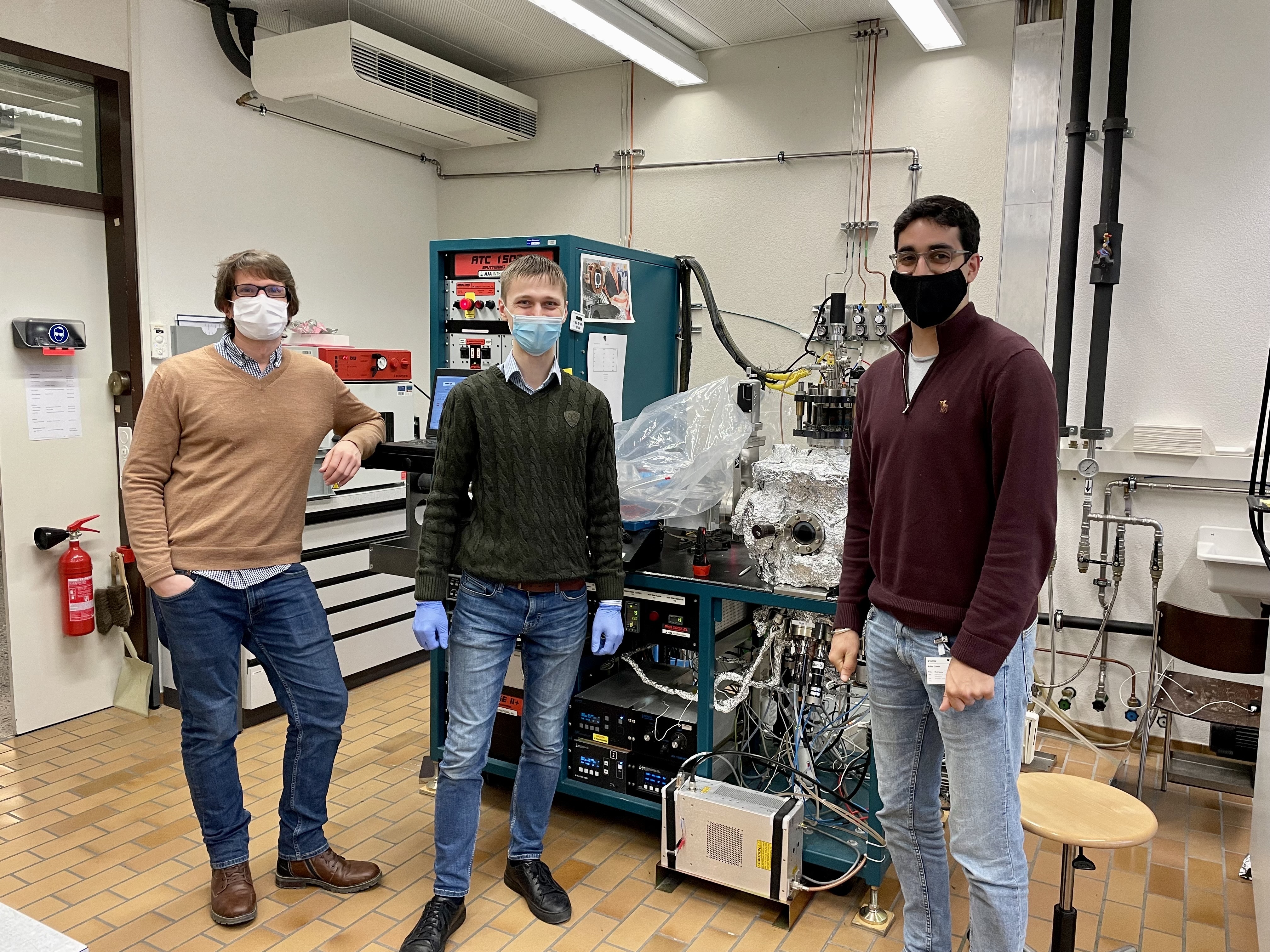
In the second half of February Curran and Anna spent a week at EMPA, the Swiss Federal Laboratories for Materials Science and Technology, in Zurich, Switzerland, to deposit a range of TiW films for an upcoming HAXPES experiment at DESY, Hamburg, Germany. The samples will be used to increase our understanding of mixed metal barrier materials for power electronics.

This collaboration was made possible by the award of a UCL Global Engagement Fund (GEF), a funding route available to UCL academics that supports collaboration with colleagues based in other countries.

Our colleagues at EMPA, Dr Sebastian Siol and Dr Siarhei Zhuk were excellent hosts and shared their extensive knowledge on the deposition of such metal systems. In parallel, Curran was able to immediately characterise all deposited samples using a combination of X-ray fluorescence (XRF), X-ray photoelectron spectroscopy (XPS) and X-ray diffraction (XRD). This provided a solid characterisation basis to finetune deposition parameters and achieve a high level of control over film thicknesses and composition.

Although it was an intense week of work, there was still time to enjoy the finer side of life in Zurich, including sampling some local delicacies including Schnitzel (pictured below), Raclette and a very good amount of Swiss chocolate.


How to clean metals

In early February a team led by Curran, including Prajna, Yujiang and Anna, visited beamline I09 at Diamond Light Source in an attempt to collect soft and hard X-ray photoelectron spectroscopy (SXPS and HAXPES) data on the pure metals titanium and yttrium. Sounds simple, but obtaining clean metal surfaces, and more importantly maintaining clean surfaces during measurement, is a real challenge for these two. Titanium in particular finds application as a so-called getter material, where its high reactivity is used to absorb stray molecules in vacuum chambers to achieve ultra-high vacuum (UHV) conditions. Great for vacuum chambers, not ideal when you need to keep a titanium surface free of adsorbates. After some not entirely successful previous attempts, a combination of ex-situ chemical etching, in-situ argon etching, and keeping the samples at a few hundred toasty degrees during measurement proofed to be the magical combination to obtain perfect metallic spectra. Such high quality reference datasets are crucial to aid the exploration and understanding of complex systems, where convoluted spectral data can prove to be a formidable challenge. This data will support Curran’s ongoing work on metallisation schemes for power electronics (read more about some of the work here and here) and further projects on energy materials and catalysts. As always the beamtime was masterfully supported by Pardeep Kumar. This was also the first synchrotron experience for Prajna and Yujiang.


FinEstBeAMS at MAX IV

At the end of January Aysha and Anna spent a week at the Swedish synchrotron Max IV in Lund using the solid state end station of the FinEstBeAMS beamline. Together with colleague Dr Matthias Kahk from the University or Tartu, Estonia, we used polarisation-dependent soft X-ray photoelectron spectroscopy (SXPS) to explore the electronic structure of bismuth vanadate (BiVO4) and the influence of different dopants on the system. This was Aysha’s first synchrotron experience.