At this year’s Encaenia, Prof Jean-Marie Lehn was awarded the Degree of Doctor of Science. The citation is just beautiful (for everyone’s benefit they give the English paraphrase beside the Latin that is actually used during the ceremony). If you want to read all citations from the day look here.
“Chemists are artists because their task is not only to discover and analyse but also to create.”
Sculptorem hodie iam honestavimus, mox honestabimus inventorem musicae. Ecce chimicus qui suam scientiam et huius et illius arti comparavit. Ipse clavicymbalum dextere canit, et opera Arnoldi Schoenberg atque Albani Berg praecipue admirari dicitur; ex quo facile colligere possis eum et compagibus rerum implicatissimis gaudere et difficultates a plerisque declinatas acriter offendere. Chimicos idcirco esse artifices dicit quia non solum res scrutari atque explicare sed etiam novam naturam creare quaerant. Itaque chimiam notis musicis comparat, quas fidicen ante intellegere et in sonos convertere non potest quam descripsit inventor.
Ipsum scit vulgus e quo tempore mundus magno illo fragore sit creatus atomos se in moleculas collegisse, e moleculis res varias et multiplices esse fictas. Multae tamen sunt res hominibus utilissimae quae naturaliter non creantur; quare chimicis opus est ut materies e qua omnia facta sunt intellegi mutari temperari possit. Lucretius demagistro suo ‘deus ille fuit, deus’ clamavit, quia rerum naturam explicare potuisset; tanto magis qui artem rerum novandarum cognoscunt, ei potestate quasi divina uti videntur. In qua arte hic vir maxime excellit; atqui dicit se minus moleculas ipsum disponere quam eis quasi suadere ut sua sponte nova fabricent. Caveas quidem construxit (sic docti eas vocant), non tamen ut moleculae tamquam in carcere coerceantur sed ut a plagis externis protegantur. Vir maxime ipse laudandus, studiosos chimiae propter hoc laudat: quae facta sunt, invenire quaerunt; quae sunt in praesenti, explorant; ad ea quae posthac fient, prospiciunt.
Praesento rerum minimarum scrutatorem oculatissimum, Iohannem Marium Lehn, apud Universitatem Argentoratensem quondam professorem, Collegio Francogallico honoris causa adscriptum, praemio Nobeliano nobilitatum, ut admittatur honoris causa ad gradum Doctoris in Scientia.
Admission by the Chancellor
Magister insignissime, qui supra moleculas dicionem benevolenter exerces, ego auctoritate mea et totius Universitatis admitto te ad gradum Doctoris in Scientia honoris causa.
Paraphrase
We have already awarded a degree today to a sculptor, and shall shortly award another to a composer. Here is a chemist who has compared his own subject to both their arts. He is himself an excellent pianist, and is said to be an especial admirer of Berg and Schoenberg; from which one may readily deduce both that he enjoys complex structures and that he readily encounters difficulties that most people shun. He argues that chemists are artists because their task is not only to discover and analyse but also to create. And thus he compares chemistry to a musical score which the player reads and interprets but which must also be composed.
Even the layman knows that from the time of the big bang atoms have coalesced into molecules, and molecules have developed into more diverse and complex structures. But many chemicals of great benefit to humanity are not found in nature, and chemists are accordingly needed to understand material phenomena and to change and control them. Lucretius declared that his own master was ‘a god, a god, I say’, for having understood the nature of matter; all the more do those who possess the art of making new matter seem to have a kind of godlike power. Our honorand excels in this art, and yet he describes it as less a matter of organising molecules than of persuading them to organise themselves into new structures. He has built ‘cages’ (as the scientists call them), not however to imprison his molecules but to protect them by keeping external forces out. Deserving in himself of the highest praise, he praises his subject for interrogating the past, exploring the present, and working toward the future. I present a keen-eyed investigator of small things, Jean-Marie Lehn, Emeritus Professor of Chemistry at the University of Strasbourg, Emeritus Professor at the Collège de France, Nobel Laureate, to be admitted to the honorary degree of Doctor of Science.
Admission by the Chancellor
Eminent master, who exercise a benign sway over the molecules, I on my own authority and that of the whole University admit you to the honorary degree of Doctor of Science.


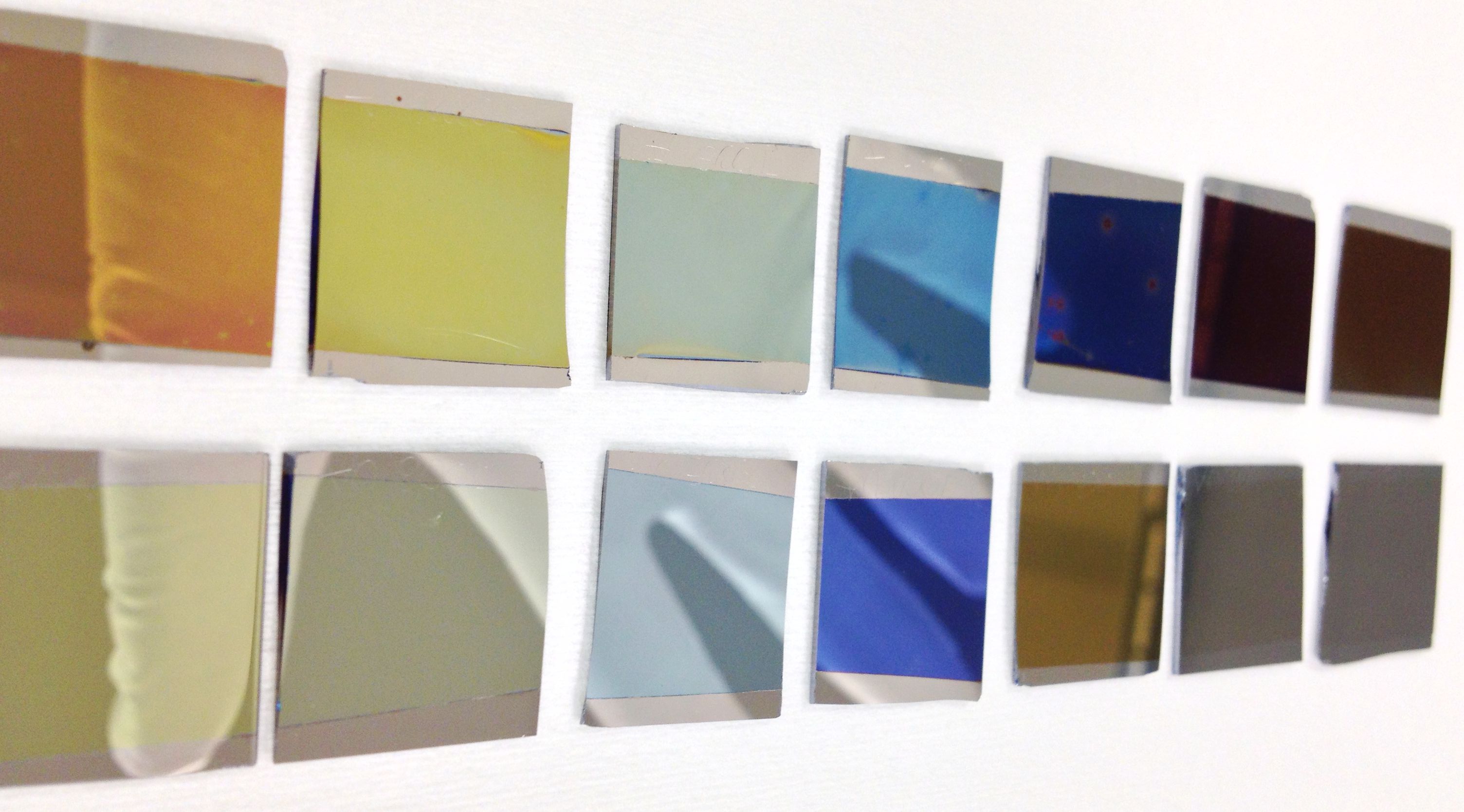
 Regoutz Group