Regoutz Group


IUPAC 2025 Award in Analytical Chemistry Presentation

After being awarded the IUPAC Emerging Innovator Award in Analytical Chemistry for 2025 (you can read the official notice here) earlier this year, Dr Derek Craston, President of the Analytical Chemistry Division, delivered the award to Oxford in person last week. The award was presented to Anna in recognition of her leadership in exploring the structure-electronic structure relationship in inorganic solids with a goal of integrating such materials into opto-electronic devices. Anna delivered a remote award presentation during 53rd IUPAC General Assembly in Kuala Lumpur, Malaysia (sadly she was not able to attend in person.

This award is a reflection of the continuous, dedicated work of all group members to develop and apply techniques such as hard X-ray photoelectron spectroscopy creating impact across the broader chemical and physical sciences.

Gold, again!

For the third year running and for the first time since our move to Oxford we have achieved a LEAF Gold Award! LEAF stands for Laboratory Efficiency Assessment Framework and was started at UCL to improve the sustainability and efficiency of laboratories. It has since been adopted by many institutions, including Oxford. With the Concordat for the Environmental Sustainability of Research and Innovation Practice being signed by institutions and funding agencies, LEAF accreditation is one way to evidence laboratory sustainability.

We continue to make progress on our LEAF journey and in the past year have focused on transferring and adjusting our ways of working as we have transitioned from UCL to Oxford. We have implemented further water and energy saving measures and have revisited our sample and chemical inventories.

If you want to know more about the LEAF process, check out the UCL-based website and do get in touch with Anna, if you have any questions or want to know more.


Anna awarded IUPAC 2025 Award in Analytical Chemistry

Anna is the recipient of the IUPAC Emerging Innovator Award in Analytical Chemistry for 2025 (you can read the official notice here). The award was given for her leadership of an interdisciplinary team of researchers exploring the structure-electronic structure relationship in inorganic solids with a goal of integrating such materials into opto-electronic devices.

This award is a reflection of the continuous, dedicated work of all group members to develop and apply techniques such as hard X-ray photoelectron spectroscopy creating impact across the broader chemical and physical sciences.
The Analytical Chemistry Division of the IUPAC presents two awards in the field of analytical chemistry each biennium. The second award in 2025, the IUPAC Analytical Chemistry Medal, recognises lifetime achievement and has been awarded to Graham Cooks, Henry B. Hass Distinguished Professor of Chemistry, Purdue University, USA in recognition of his lifetime achievements in the field of mass spectrometry. Congratulations!


LEAF Gold Award

Our group lab was awarded LEAF Gold this year!

LEAF is short for Laboratory Efficiency Assessment Framework and is a standard set by UCL to improve the sustainability and efficiency of laboratories. By engaging with the framework, users are made aware of and can put into practice sustainability actions to save plastics, water, energy, and other resources in their laboratory.

Our LEAF journey started through inspiration provided by a departmental talk and Curran taking initial steps to get our lab registered. Together, we then worked through the framework and improved on several fronts. This included replacing our water-based condensers and vacuum apparatus, swapping from single-use plastic pipettes to reusable glass ones (which we acquired from pharmacy teaching lab surplus), and introducing a new standardised sample labelling system which improves reusability and traceability of the humongous number of samples we handle and produce.

LEAF is not only for UCL-based labs, but for anyone who wants to engage with the process. Check out the website and do get in touch with Anna, if you have any questions or want to know more.


New group photograph

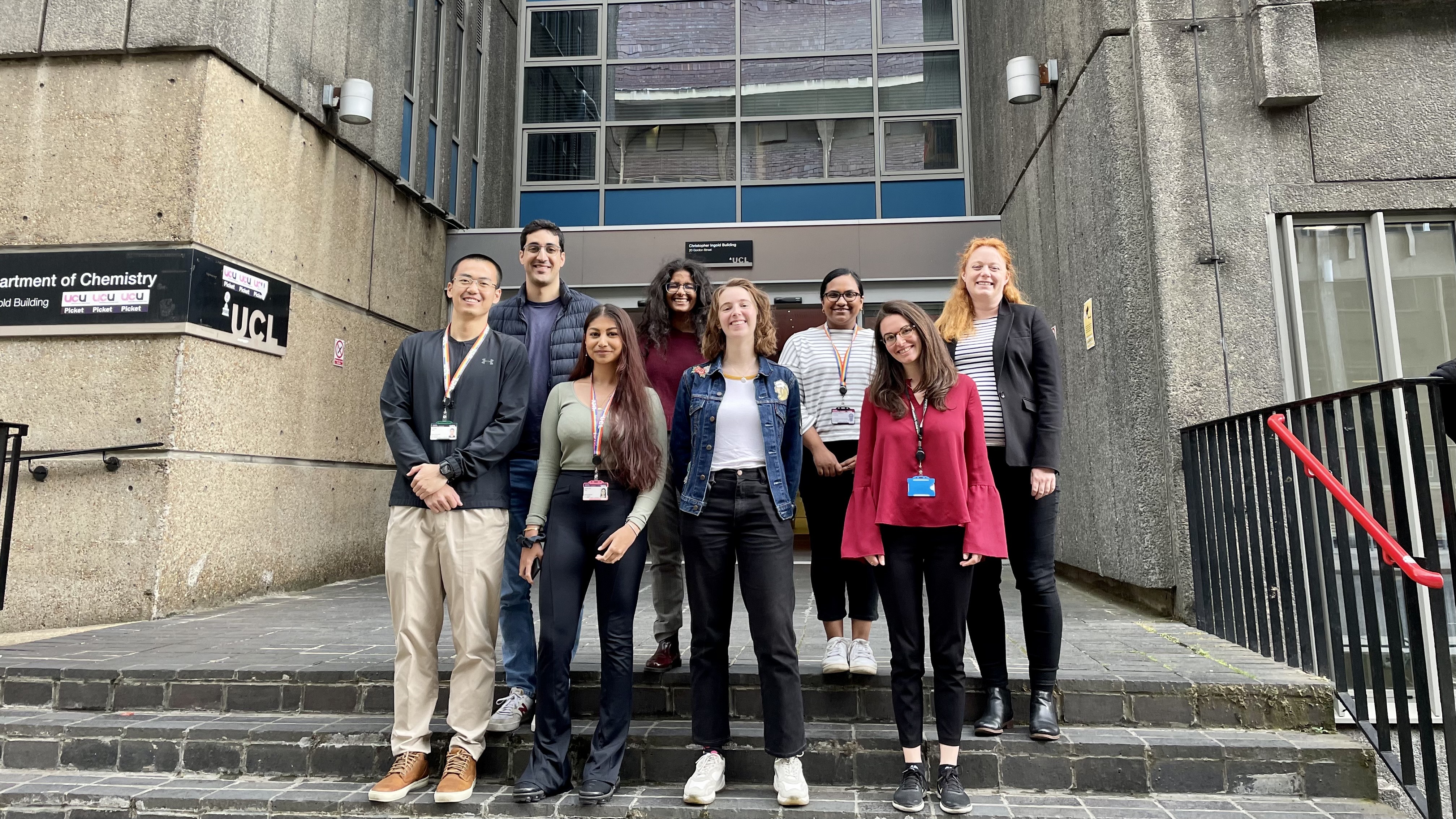
As the academic year comes to a close (and with Anna’s maternity leave imminent) we took the opportunity to take a new group photograph. This is the “group approved” version of the photograph – we’ll keep the outtakes to ourselves 🙂

The AXS group in July 2022. Front row from left to right: Yujiang Zhu, Aysha Riaz, Katherine Milton, Maria Basso. Back row from left to right: Curran Kalha, Prajna Bhatt, Nathalie Fernando, Anna Regoutz.


Oxides everywhere

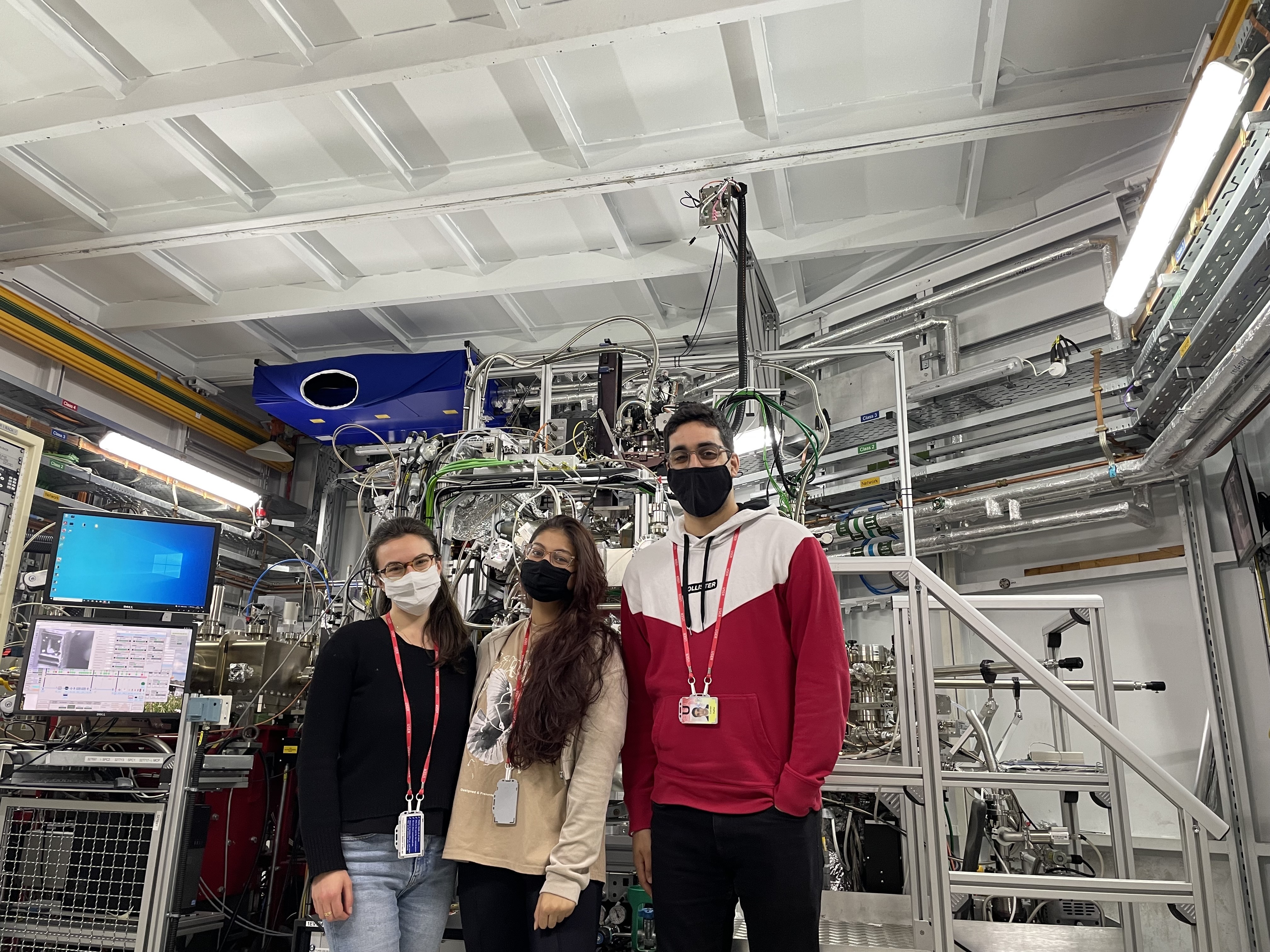
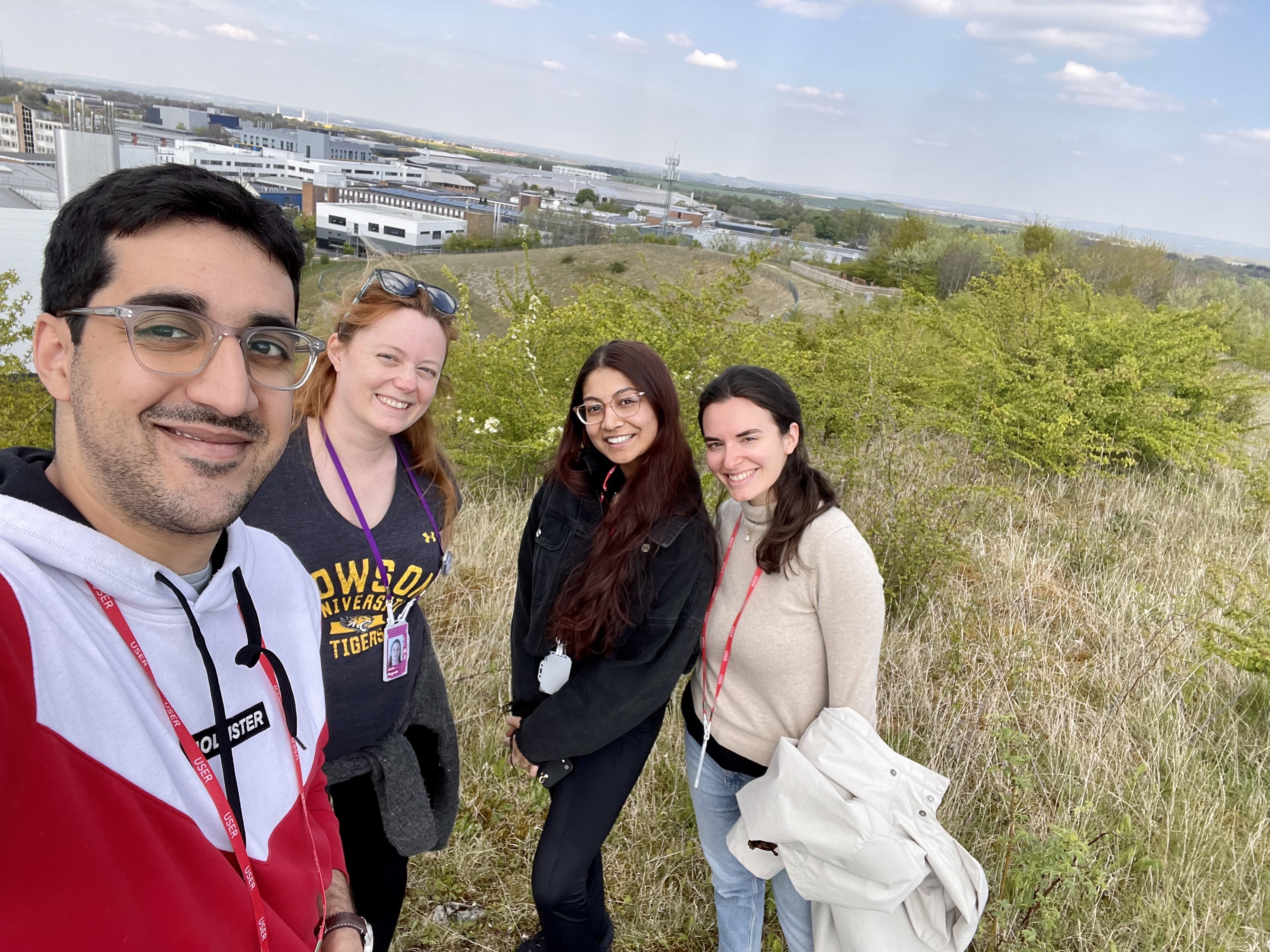
In April a team from the group including Curran, Aysha, Maria and Anna spent several days at beamline I09 at the Diamond Light Source for a combined SXPS/HAXPES experiment on a number of oxide materials, all relevant for electronic device applications.

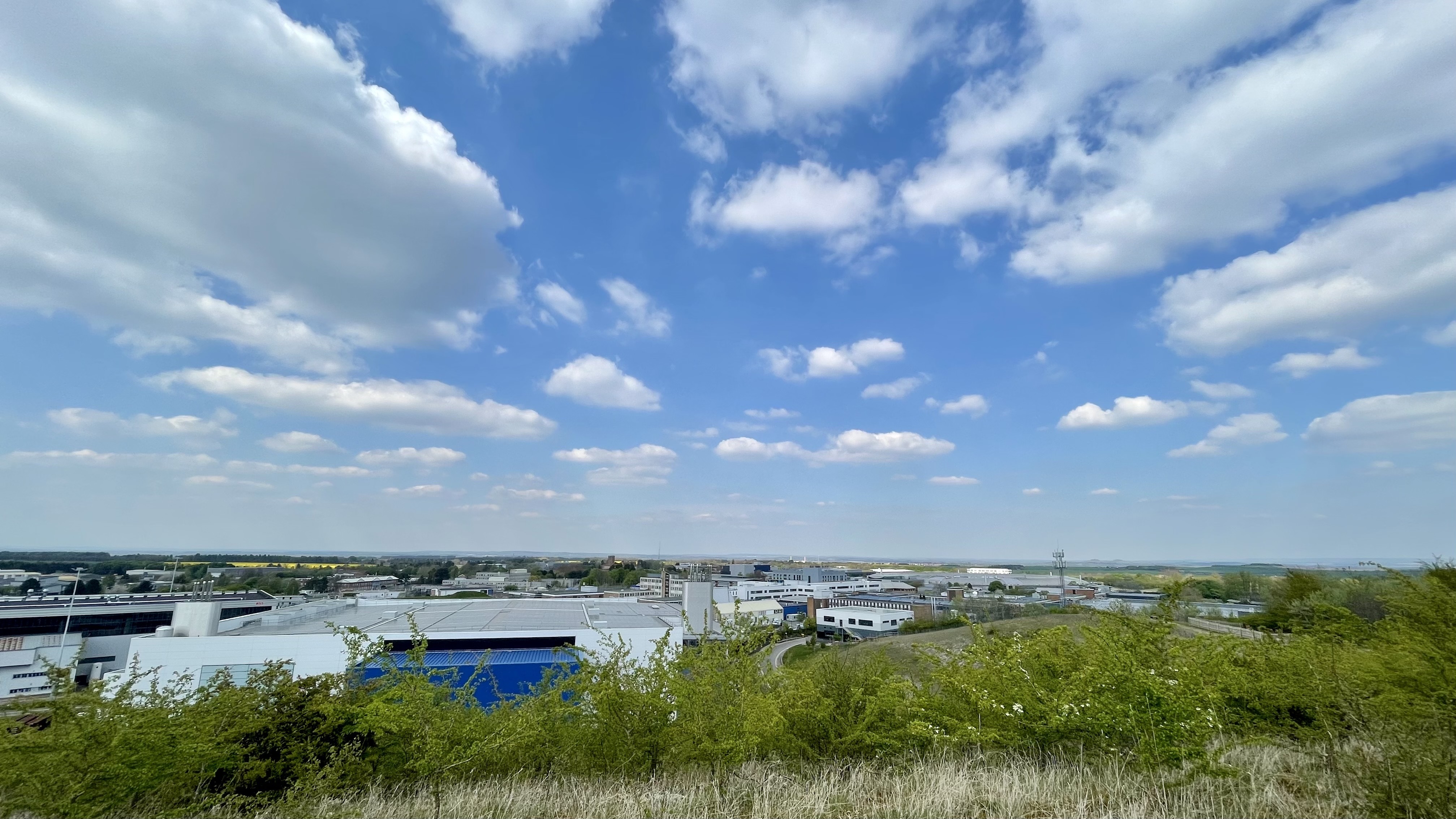
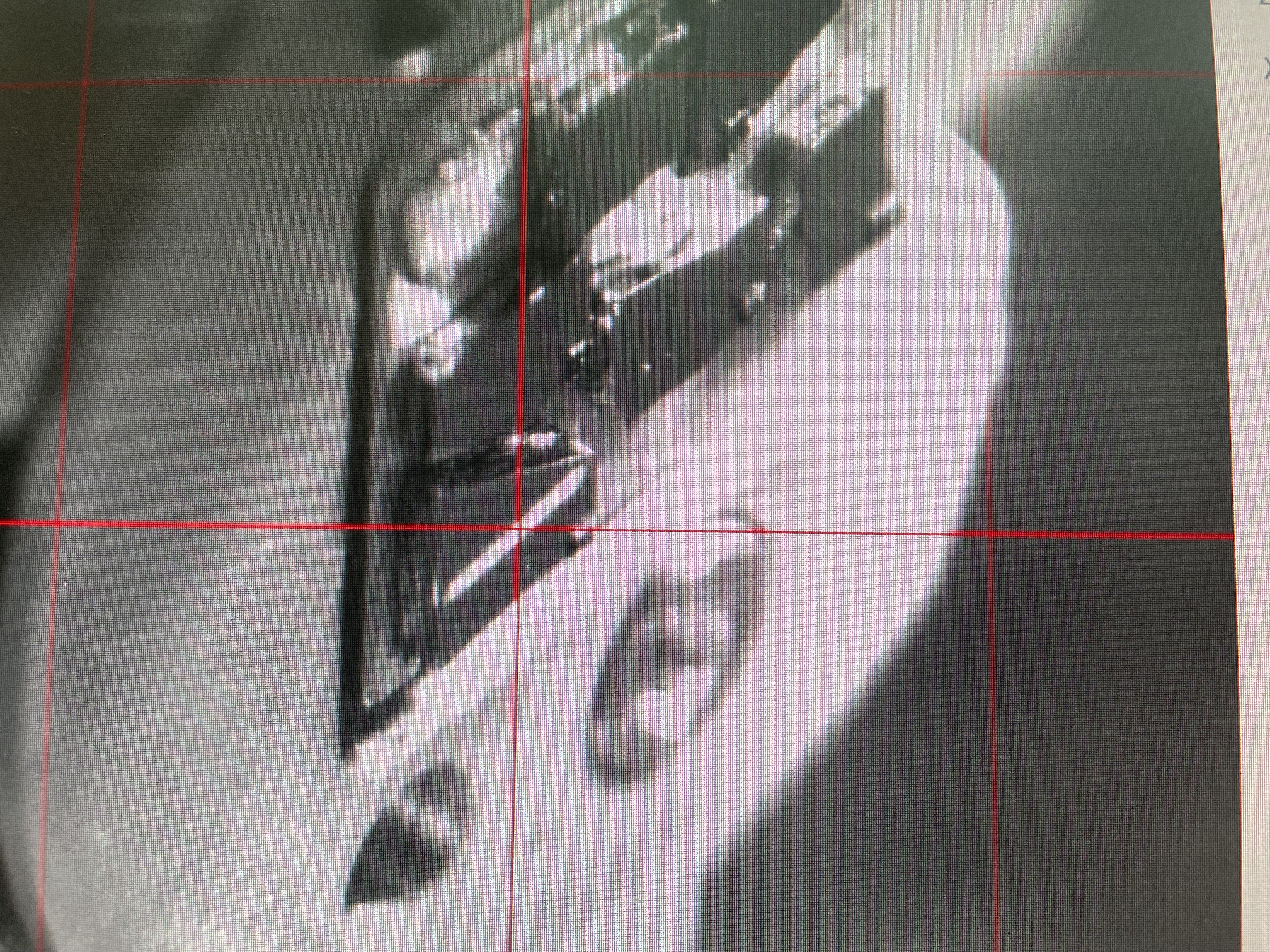
We were hunting for both chemical state information and final state effects from core level spectra as well as for signatures of the electronic structure of the materials, including some 2D electron gases at buried interfaces. In order to avoid beam induced changes to the samples we used the defocussed setup at I09 and were rewarded with some intensely bright and large beam illumination on the samples (see image below). The electronic structure experiments needed extended acquisition times to obtain the needed signal quality, so we even had time to catch some fresh air and walk to the top of ISIS hill providing a great view of Harwell campus and the surrounding greenery.

This was also Maria’s first synchrotron experience. She is spending six months in the group as a visiting PhD student as part of her PhD, which she is undertaking at the University of Padua, Italy, under the supervision of Prof Alessandro Martucci. She works on crystallisation of solution-based metal oxides on temperature-sensitive substrates.


Where is my titanium going? Testing the stability of TiW barriers

Hot off the press! Check out our latest collaboration with colleagues from Infineon Technologies Austria, KAI and HarwellXPS, exploring the interface stability of TiW/Cu heterojunctions using SXPS and HAXPES. This work marks the second publication in a series by Curran Kalha on TiW diffusion barriers and continues a long and fruitful collaboration with beamline I09 at the Diamond Light Source.

Diffusion barriers are essential components in power semiconductor devices and are designed to isolate metallisation schemes from the semiconductor devices. The binary alloy of titanium-tungsten (TiW) is an established diffusion barrier for copper metallisation schemes. However, little has been established regarding the chemical state of the TiW/Cu interface or the possible degradation mechanisms of the barrier during annealing.

In our recent paper in Journal of Applied Physics (the preprint is also on arxiv), we show that the TiW alloy is an excellent barrier for copper metallisation schemes, successfully isolating the copper after annealing for as long as 5 h at 400°C using both synchrotron-based SXPS and HAXPES. Under thermal stress the barrier starts to degrade via the out-diffusion of Ti, but using laboratory-based SXPS at HarwellXPS it is clear that the Ti quantity lost in the diffusion barrier does not significantly impact the performance of the barrier.

Stay tuned for more TiW research and the completion of Curran’s TiW trilogy (and maybe a prequel or origin story too).


SPIE Photonex 2021 – Glasgow

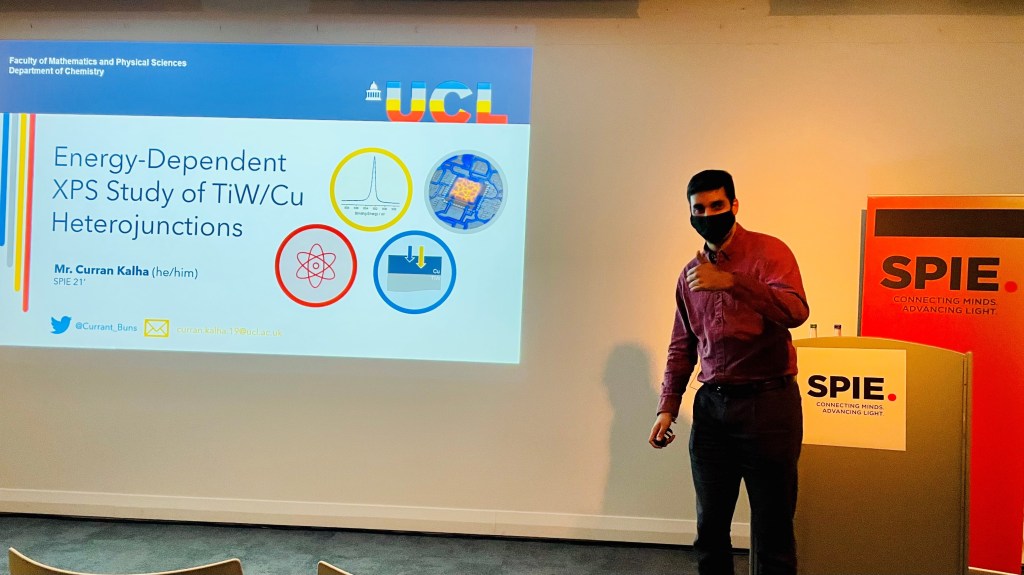
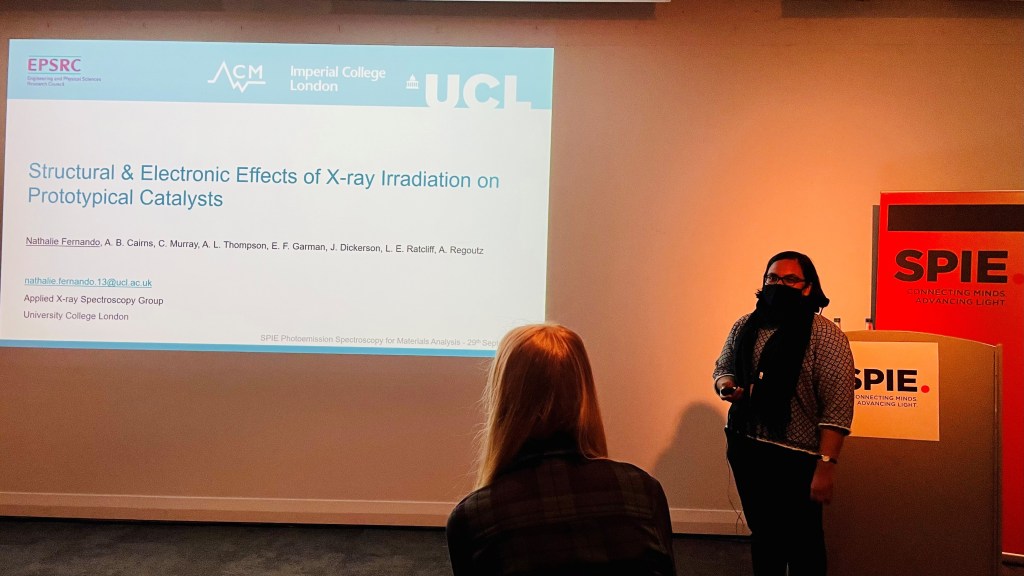
Nathalie, Curran and Anna ventured to Glasgow this week for the group’s first in-person conference since March 2020. Nathalie and Curran presented part of their PhD work in excellent contributed talks. Curran got people excited about studying the behaviour of TiW diffusion barriers in metallisation schemes for power electronics (see a recent paper) and Nathalie clearly showcased the importance of radiation dose when comparing the effects of X-rays on samples during diffraction and spectroscopy (see a recent paper and Diamond Light Source Science Highlight). Anna presented an invited talk on the influence of polymorphism in Ga2O3 trying to convince the audience that core level spectra are sensitive to local coordination environments (read all about it here).

It was great to get back to in-person talks and be inspired by an excellent line-up of speakers in the Photoemission Spectroscopy for Materials Analysis section organised by Robert Palgrave, Rosa Arrigo and Phil King.